Creating Pride in Working-Women Communities
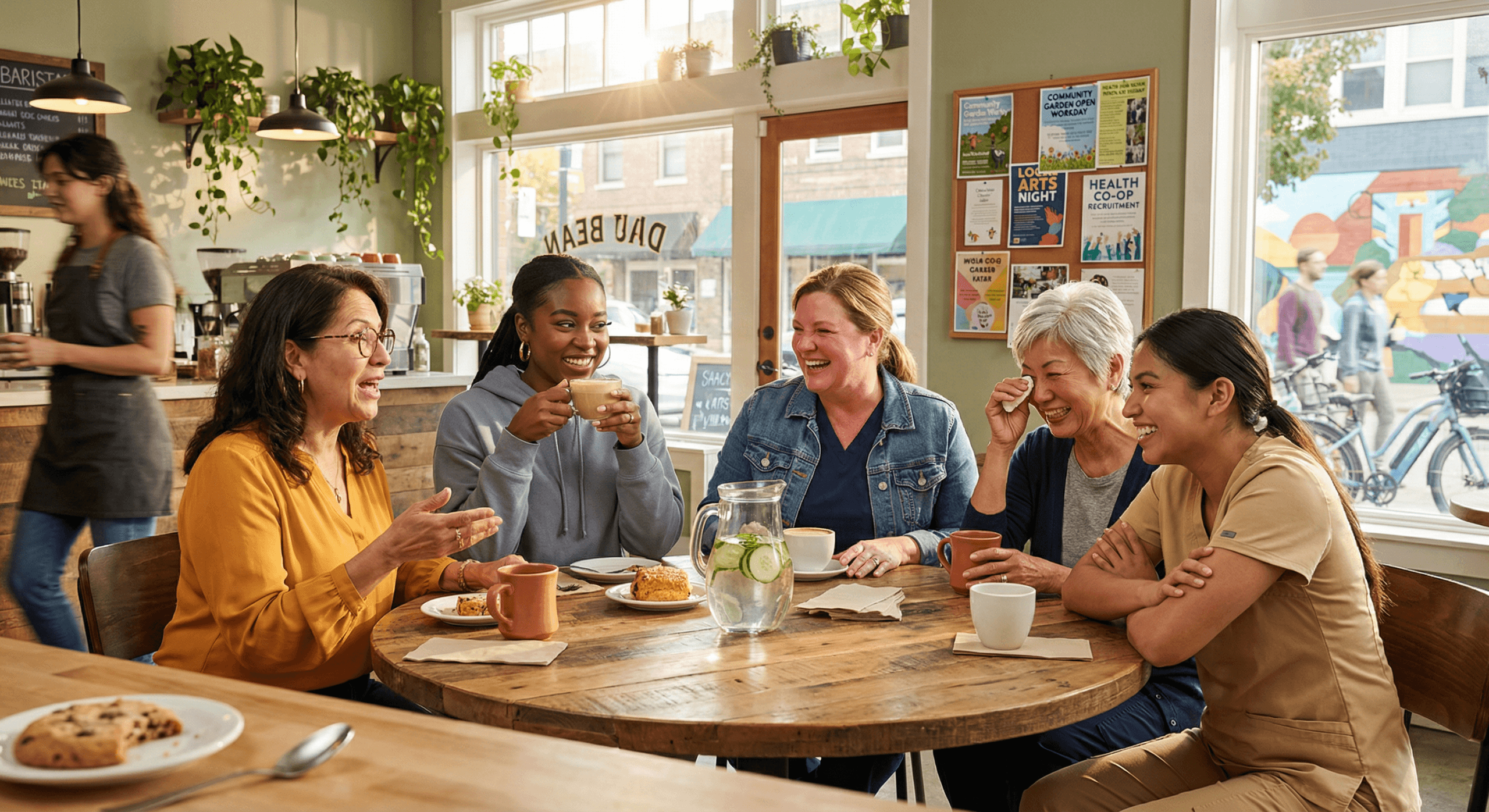
Across the United States, the hardest-working women often begin before sunrise pouring coffee at diners, supporting families, keeping hospitals, offices, and warehouses moving. Yet society tends to celebrate only the visible “success stories,” leaving daily labor unseen.
When identity depends on recognition, invisibility quietly erodes pride. The bright side: psychology offers real tools for reclaiming belonging and agency through connection and story. Two frameworks lead the way Social Identity Theory and Community Psychology. Together they explain how shared narratives re-energize self-worth for under-recognized women in America. That sense of belonging echoes the themes of Authentic Identity and Belonging in America: Becoming You, which highlights the power of connecting individual stories to community roots.
Understanding Belonging
1. The Power of “We”
Introduced by social psychologist Henri Tajfel and extended by American researchers, this theory shows that our self-esteem rises or falls with the groups we belong to. When those groups are undervalued, so are we.
Small communities change that by celebrating themselves: library teams, retail crews, nursing staffs. Shared recognition turns “just work” into meaning.
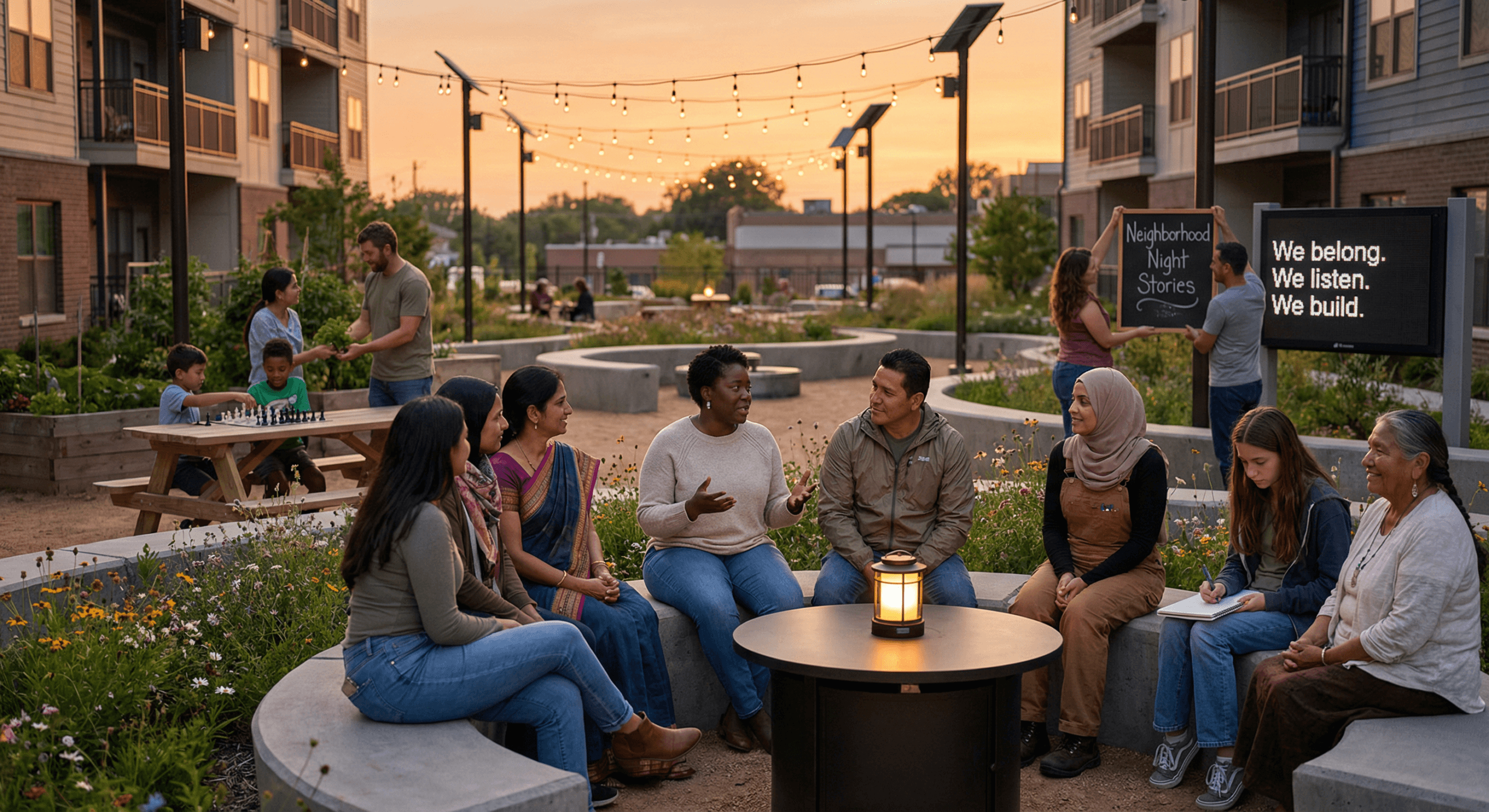
Studies in the APA’s Journal of Community & Applied Social Psychology confirm that visible group identity shared spaces, symbols, and story circles reduces isolation and builds confidence among American women in low-visibility roles. This insight also connects with the pride-building methods covered in The Psychology of Thriving: How Everyday Americans Can Grow Beyond Stress and Toward Purpose.
2. Community Psychology: Building from the Ground Up
Emerging in U.S. universities in the 1960s, Community Psychology shifted focus from the individual to the environment. Rather than asking, “What’s wrong with her confidence?” it asks, “What system helps her thrive?”
For working-women communities, that means creating spaces for shared expression storytelling nights, mural projects, oral history pods where everyday effort becomes articulated and honored. Here, pride evolves from personal grit into collective dignity. (See also The Second-Shift Survival Plan: Real Rest for Women Who Never Clock Out for community-based restorative ideas that support women beyond the work day.)
Designing Story Projects that Strengthen Identity
A. The “Shift Stories” Gathering
Host a monthly evening in a local café, church hall, or community center. Each participant shares a five-minute story about a moment of work pride a patient comforted, a student guided, a task mastered.
Research from the Stanford Center for Social Innovation shows that story exchange increases belonging and self-efficacy for groups outside traditional leadership loops. The goal isn’t performance but pattern: tell, listen, clap. Repetition rewires memory from “I’m invisible” to “My story counts.”
B. Photo or Audio Projects
Invite participants to capture work moments on their phones or through short voice notes: “What part of your job makes you feel powerful?” Display the results at libraries or online galleries.
Findings from the Harvard Human Flourishing Program suggest that visual storytelling triggers gratitude and affirmation loops people literally see their impact.

C. Inter-Role Mentorship
Pair a bus driver with a teacher, a nurse with a cashier. Exchanging daily realities dissolves hierarchies; that’s Social Identity Theory in practice. Each role-swap redefines expertise and extends respect across industries.
Why Storytelling Heals
Community psychologists define collective efficacy as the belief that a group can solve problems together. Story rituals increase that belief by turning mutual acknowledgment into habit.
When a janitor in Detroit hears applause for her contribution at a local event, stress hormones drop while trust hormones rise. It’s a biological echo of belonging. Over time, these micro-moments build resilient communities an idea supported by NIH Behavioral Health studies on social connection.
Everyday Practices to Build Collective Pride
- Name Moments of Local Greatness. Say aloud, “Thanks for keeping things running today.” Verbal acknowledgment boosts in-group esteem instantly.
- Create Ritual Markers. Shared coffee breaks or Friday gratitude shout-outs add rhythm and continuity core ingredients of positive workplace identity.
- Speak “We” More Than “I.” The University of Michigan Psychology of Language Lab finds that inclusive pronouns build collaboration and mutual trust.
- Archive Your Workdays. Keep a small journal of moments worth remembering. Reading them later shows how daily labor is woven into America’s larger story of care.
Turning Roots into Power
Empowerment grows from local soil. When American women in everyday roles reclaim pride through story, they reshape how strength is understood. Social Identity Theory proves that raising collective visibility lifts self-esteem; Community Psychology shows that environments of recognition recharge communities.
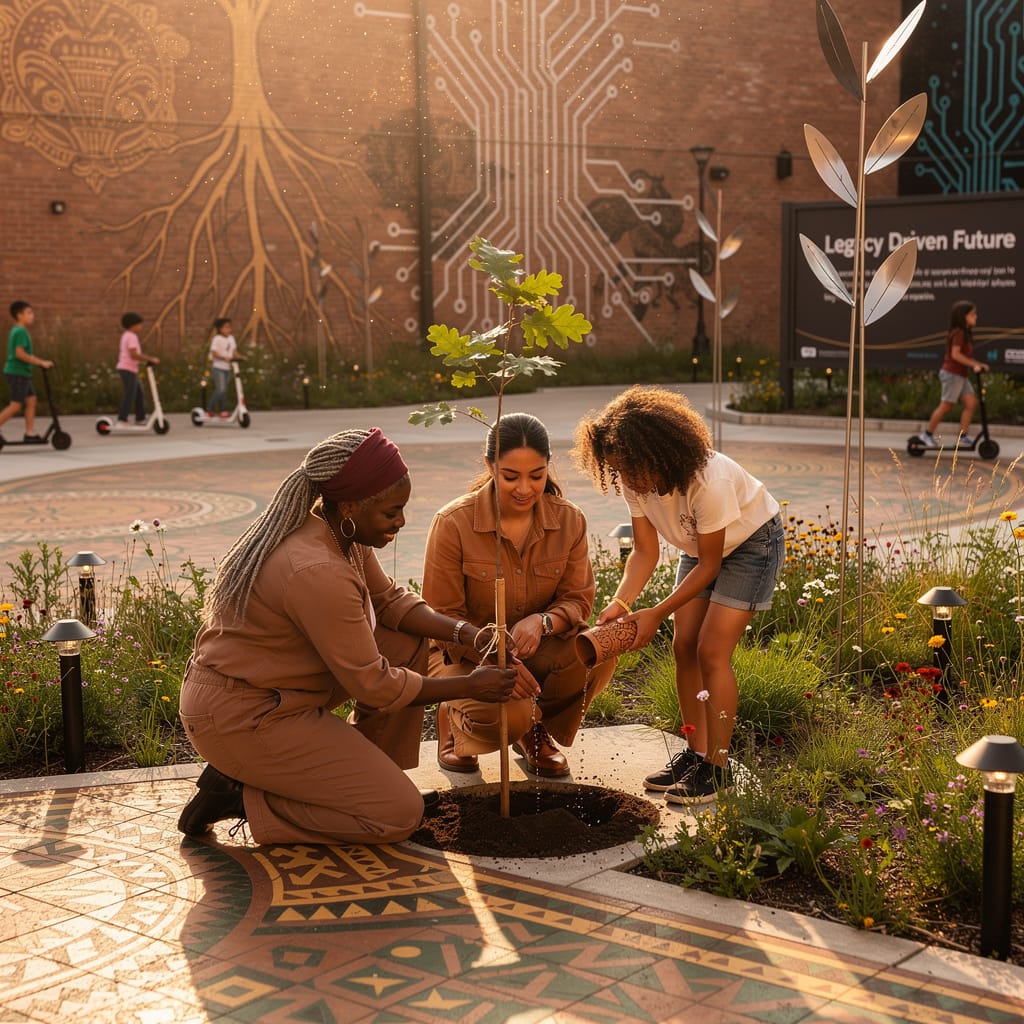
Imagine networks where working women swap stories, not apologies a coast-to-coast chorus of visibility. These shared narratives become both history and fuel, just as The Strength to Ask for Help: Redefining Resilience Among Working Women illustrates the power of connection as a new definition of resilience.
Takeaway
- Belonging builds collective resilience.
- Social Identity Theory: Lifting one another lifts self-esteem.
- Community Psychology: Change environments, not personalities.
- Story projects turn invisible work into visible pride.
- Recognition transforms local networks into collective power.
America’s working-women communities already hold strength storytelling simply reminds them where it lives: in their shared roots.
This content is for educational purposes and does not substitute for professional psychological or therapeutic help.