
Graduation and Goodbye: Surviving Relationship Transitions After College
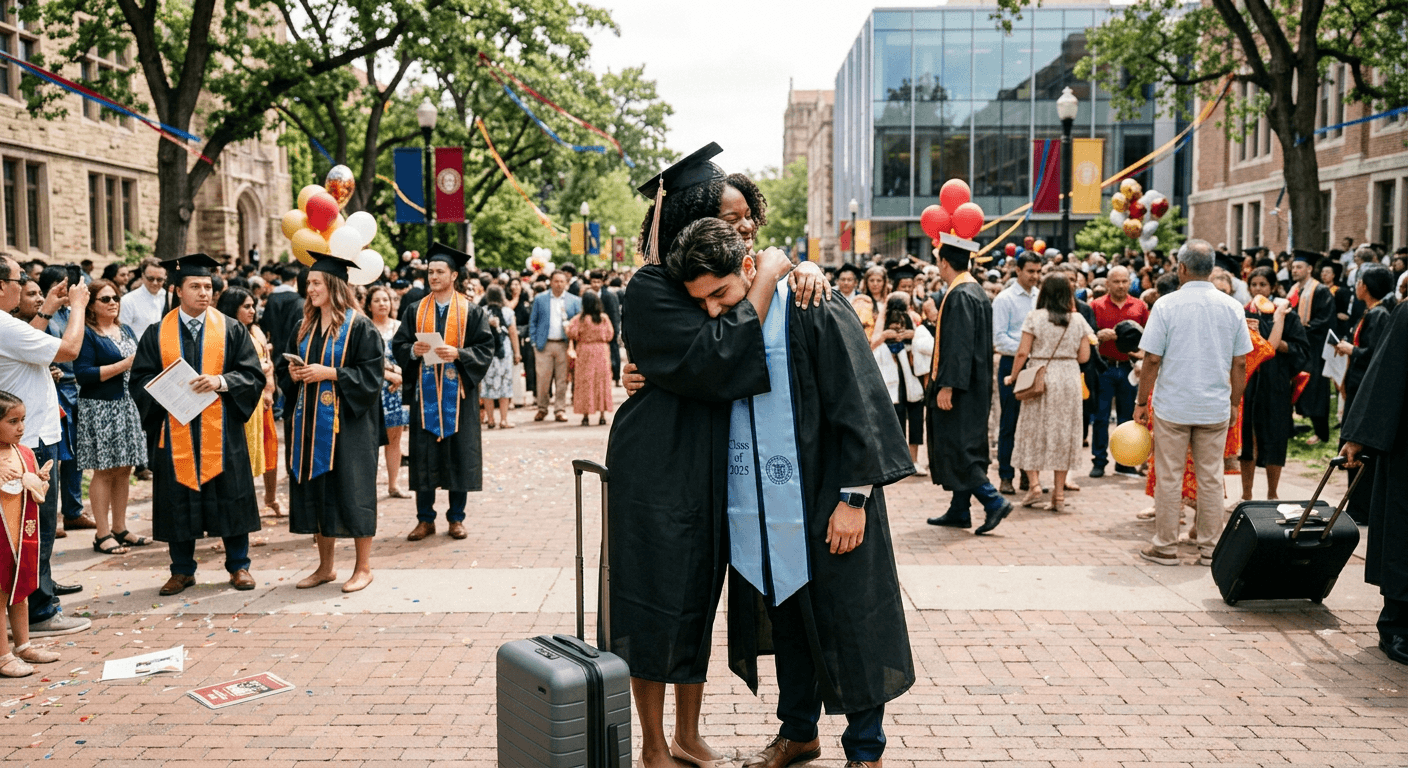
Tossing the cap feels like relief until the suitcase appears.
After years of study sessions and shared coffee runs, Sam is bound for Boston for grad school, and Rowan has a new job in Seattle. They posed for smiling photos, while both wondered, How do we go from every day together to different time zones?
It’s the modern American milestone that tests as much as it celebrates. Graduation opens doors but pulls apart shared routines and redefines connection.
So what does it take to turn distance and change into development instead of goodbye?
Why Transition Test Love
Developmental psychologists call the move from college to adulthood a relational turning point. According to the American Psychological Association, major life transitions relocation, new work, grad study rank among the top stress triggers for young adults because they disrupt identity and social support at once.
A 2020 APA analysis in Transitional Studies in Emerging Adulthood found that relationship success after college depends less on miles and more on communication about expectations.
Layer in mobility a Pew Research Center survey shows roughly 60% of U.S. adults under 30 have already relocated for school or work. Distance is common; successful adaptation is learned.
Why It Hurts, Even When It’s Healthy
Leaving campus feels like withdrawal because college offers built-in community, predictable schedules, and constant access to your person. Graduation erases that safety net.
This ache is what Dr. Nancy Schlossberg (University of Maryland) calls transition loss uprooting the daily reflection of who you were and who you belong to. The attachment isn’t broken; its context changes.
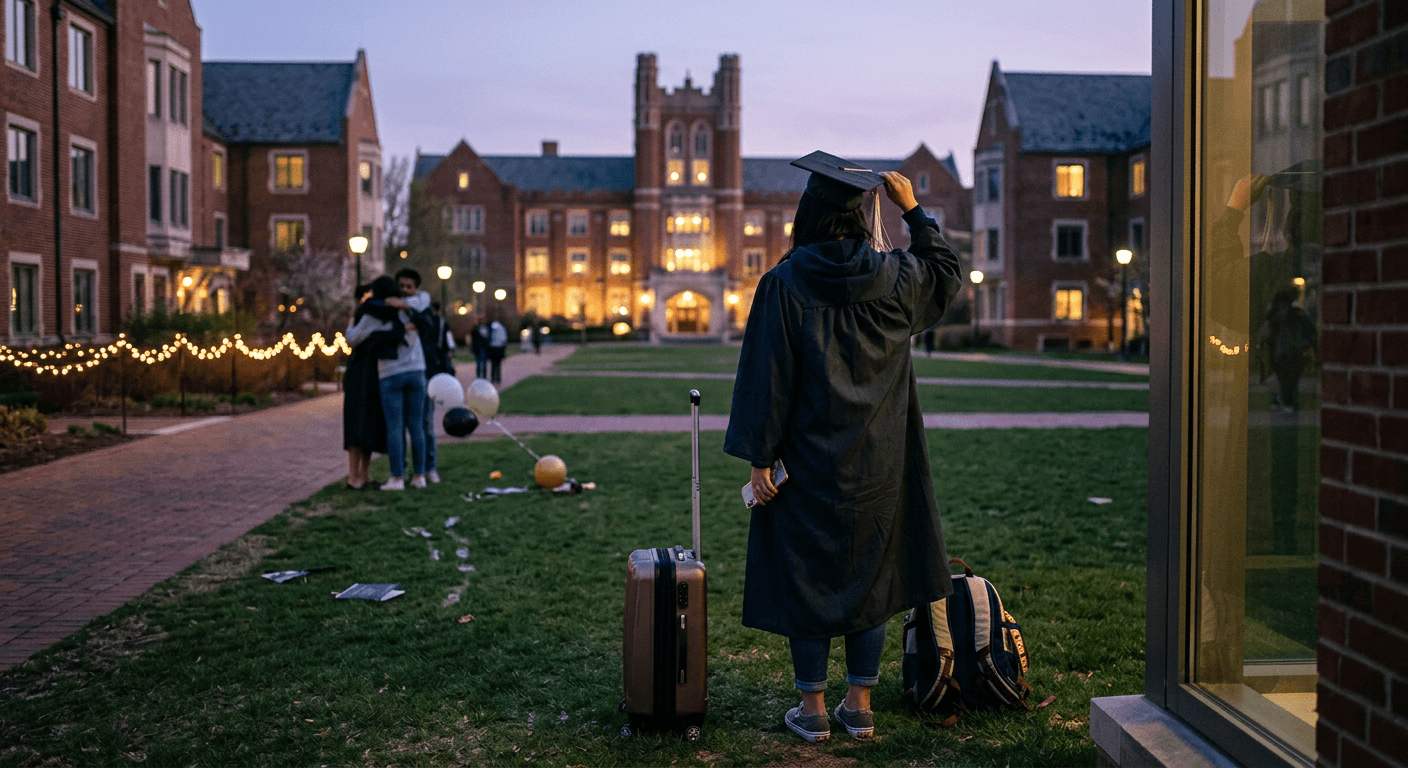
Emotionally Intelligent Love in Transition
Distance doesn’t doom relationships; rigidity does. Emotionally intelligent couples balance empathy with flexibility. Research from the Gottman Institute shows that trust and commitment survive distance when partners maintain five positive exchanges for every negative one.
That ratio is a lifeline when calls drop and time zones don’t match. It’s also the same communication foundation explored in Couple Communication: Talk That Heals and Connects.
Five Steps for Surviving and Strengthening the Shift
1. Name the Change
Avoidance feeds anxiety. Say it out loud: > “We’re entering a new phase; what helps you feel secure?”
Naming the transition creates shared language turning fear into teamwork.
2. Re-Set Communication Rhythms
Dorm talks might become scheduled video calls. Intentionality matters more than duration. APA Family Psychology Journal finds that predictability, not frequency, drives distance satisfaction.
Build a simple ritual: Saturday video brunch or weekday “good-news only” texts. Ritual equals emotional stability.
For further boundary insight, see Emotional Safety: The Foundation of True Intimacy.
3. Balance Digital and Physical Presence
Technology keeps you linked but can also exhaust. Constant check-ins build pressure instead of peace. Cultivate a life where you are classes, coworkers, community. Independence protects love from cling.
Healthy affection cheers, not chains. Related themes appear in Defining Enough: Self-Compassion and Self-Image.
4. Plan Visits Realistically
Reunions help motivation but need grace: travel costs and fatigue are real. Prioritize care over cinema-perfect weekends. Goodwill travels further than itineraries.
5. Talk About Future Paths Early
Modern couples marry later and build careers first. Use open questions: > “Where do you see us after your program?”
Alignment beats assumption and lets plans grow organically.
Real-Life Resilience
A few months apart, Sam and Rowan hit their first snag: missed texts, mixed signals. Instead of silence, they reset:
“Let’s make Sundays our main check-in and let the rest flow.”
That repair turned misunderstanding into teamwork a micro proof of resilience that echoes guidance from Intentional Dating — Building Meaningful Connections.

Distance as a Growth Teacher
When met with intention, distance matures both love and identity. An APA longitudinal study on resilient young-adult couples found that those who managed miles well reported deeper trust post-reunion.
Physical space invites deliberate communication and gratitude. You learn to choose each other repeatedly, a concept that aligns with mutual growth explored in Thriving in America: Grow Beyond Stress and Toward Purpose.
Tools for Post-College Couples
- Shared Timeline: Map months of workloads and travel to spot stress peaks.
- Two-Story Check-In: Describe the same event from each viewpoint; a Gottman method for empathy.
- Inner Life Updates: Discuss learning, surprises, growth not just logistics.
These acts keep “us” aligned with each person’s evolution.
The Broader American Context
Early adulthood in the U.S. is mobility-heavy internships, grad programs, career relocations. Couples who master dual individuation (pursuing personal goals while staying committed) score higher in long-term relational satisfaction.
Independence and intimacy don’t compete; they co-author a balanced life. See supporting principles in Emotional Intelligence in Relationships — The Science of Lasting Love.
When Paths Change Direction
Not every college romance becomes forever and that’s growth, not failure. Dr. Janice Kiecolt-Glaser (Ohio State University) calls this adaptive closure: ending honestly to preserve well-being.
Respectful closure protects mental health better than ghosting. The skills learned reflection, communication, and self-trust carry into future relationships.
Closing the Chapter
Years later, Sam and Rowan remember their cross-country chapter fondly. They visited, argued, and eventually parted gratefully. Both credit that season for teaching patience and presence.
Whether your post-college love thrives or transforms, the lesson remains: stay connected through change not in defiance of it.
Graduation isn’t a breakup; it’s an invitation to carry emotional growth into adult life.
Summary
- Distance tests adaptation skills, not love’s validity.
- Predictability and honesty outweigh constant contact.
- Negotiated rituals anchor emotional security.
- Respectful closure retains dignity if paths shift.
- Emotional literacy learned now builds healthy relationships for life.
This content is for educational purposes and does not substitute for professional psychological or therapeutic help.