

Micro-Recovery Strategies for Mothers Everyday Juggle
It’s 7 a.m. The coffee’s cooling while you pack lunches, check work emails, and search for a missing soccer jersey. By lunchtime, your heart is racing even though you’ve barely moved.
Many working mothers live in this perpetual tug-of-war between career and caregiving. The Centers for Disease Control and Prevention (CDC) notes that improper work-life balance contributes to fatigue, sleep loss, and mental-health strain. But building relief doesn’t mean weeks of vacation or spa retreats. Small “micro-recovery” habits can help busy parents restore calm without blowing up the schedule.
Why Fatigue Hits Harder for Working Mothers
Invisible Work and Cognitive Load
Beyond paid hours, moms often perform the unpaid work of remembering permission slips, doctor appointments, laundry. Psychologists call this “cognitive load,” and research from the American Psychological Association (APA) shows women still manage a greater share of mental labor in dual-income homes. This constant vigilance keeps the stress response switched on, leading to chronic fatigue and lower immunity.
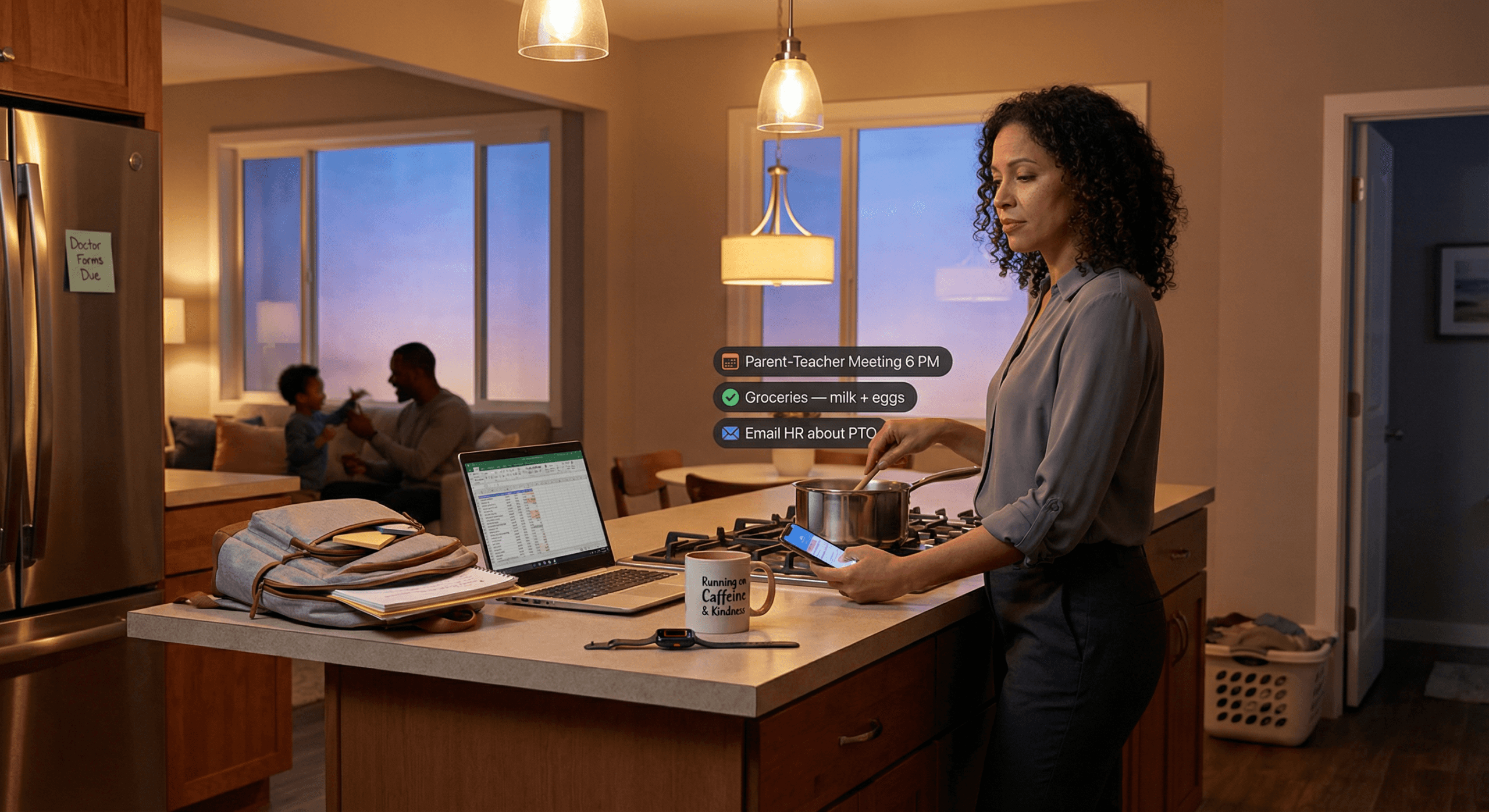
This pattern mirrors what researchers identify as the “second shift” the unpaid labor that begins the moment the workday officially ends.
Sleep Debt and Double Shifts
The National Institutes of Health (NIH) links sleep loss to mood disorders and higher risk of cardiovascular disease. Parents with young children average between five and six hours of sleep a night for years. Even after kids grow, irregular schedules and late-night emails delay rest. Exhaustion isn’t a personal failure it’s a predictable response to an overloaded system.
Micro-Recovery: Science in Small Doses
Micro-recovery means targeted moments of regulation five minutes here, sixty seconds there that interrupt the stress cycle before it escalates. These brief practices re-activate the parasympathetic nervous system, lowering heart rate and cortisol. Harvard Health Publishing notes that mini-relaxation techniques performed throughout the day can boost focus and resilience.
Think of these pauses as micro-moments of calm woven directly into your existing routine.
Breathe Between Transitions
When shifting from home to work mode or meeting to child pickup pause for three slow breaths. Inhale for four seconds, exhale for six. This longer exhalation stimulates the vagus nerve, which calms the stress response. According to the NIH National Center for Complementary and Integrative Health, breath-based relaxation can decrease blood pressure and help reset focus within minutes.
Tip: Set a simple cue like buckling your seatbelt or closing a laptop as your signal to breathe before the next task.
Anchor Breaks to Existing Habits
The CDC found that employees who take five-minute movement breaks each hour report better mood and less tension at day’s end. You don’t need a step goal just add motion to routine:
- Stretch calves while brushing teeth.
- Roll shoulders at the printer.
- Do 10 wall pushups before you wake the kids.
These tiny bursts promote circulation and mental alertness without extra time. The U.S. Department of Health and Human Services recommends accumulating 150 minutes of moderate movement in small segments through the week micro counts.
Protect Sleep Like an Appointment
It’s tempting to watch one more episode once the house is quiet, but screen light suppresses melatonin and shifts circadian rhythms. Set a firm “digital curfew” 30 minutes before bed and dim lights. If interruptions are inevitable (newborns, shift work), add brief nap opportunities where possible 15–20 minutes can restore alertness without grogginess.
This protective practice echoes the principles found in screen-time detox strategies building boundaries that defend rest.
Tip: Keep a notepad by your bed for mental to-dos so your brain stops rehearsing them at midnight.
Micro-Connect Instead of Multitask
Social connection buffers stress and supports heart health. The CDC’s Work and Family Balance initiative highlights that spending just ten minutes in meaningful interaction can reduce stress hormones. Even texting a friend “thinking of you” or sharing a laugh reverses lonely fatigue.
Try a family gratitude round at dinner each person names one bright moment from the day. It’s connection and recovery rolled together.
Eat for Sustained Energy
Under-eating or relying on snacks fueled by refined carbs can worsen midday crashes. The U.S. Department of Agriculture’s MyPlate program suggests pairing lean protein and fiber-rich carbohydrates at each meal to help stabilize blood sugar. Keep grab-and-go options handy trail mix, yogurt, fruit cups, whole-grain crackers with nut butter.

Following smart nutrition habits protects afternoon energy just as much as morning coffee does.
Hydration matters too: even mild dehydration can reduce focus and mood, confirmed by the National Institutes of Health.
Redefine Support and Ask for It
According to the APA, delegating domestic tasks reduces burnout and builds family resilience. Consider sharing responsibilities in 15-minute chunks kids handle laundry folding, partner manages appointments. If outsourcing is possible, use it strategically for critical recovery like childcare trades with neighbors for an uninterrupted hour of rest.
Delegating without guilt isn’t weakness it’s a self-care skill that protects long-term well-being.
Tip: Rename your breaks “family maintenance time.” People respect calendar blocks with a purpose, and self-care is maintenance.
Protect Mental Load with Boundaries
Harvard Business Review researchers say psychological detachment after work—fully disconnecting from job tasks improves sleep and life satisfaction. Create a closing ritual: review tomorrow’s tasks, log off, and leave devices outside the bedroom. If your manager expects off-hour email, set notification windows to protect personal time. Boundaries are preventive medicine for stress.
Small Moments Add Up
Science confirms that brief, intentional pauses through the day can undo the wear and tear of constant responsibility. Micro-recovery doesn’t erase pressure, but it builds a buffer a margin of calm to return to yourself before the next demand arrives.
Caring for others starts with restoring you.
Takeaway
Stress and sleep loss are common for working mothers, but small recovery strategies brief breathing pauses, micro-moves, screen curfews, and healthy snacks can reset energy and focus. Research from the CDC, NIH, and APA shows that frequent short breaks and clear boundaries support long-term well-being and family balance.
This content is for educational purposes and does not substitute for professional psychological or therapeutic help.