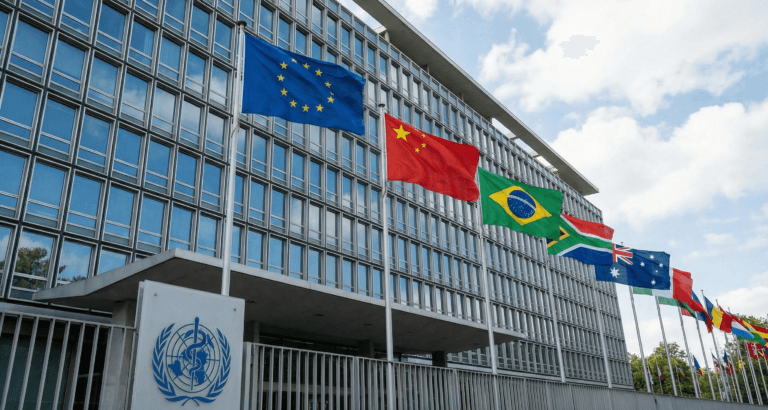
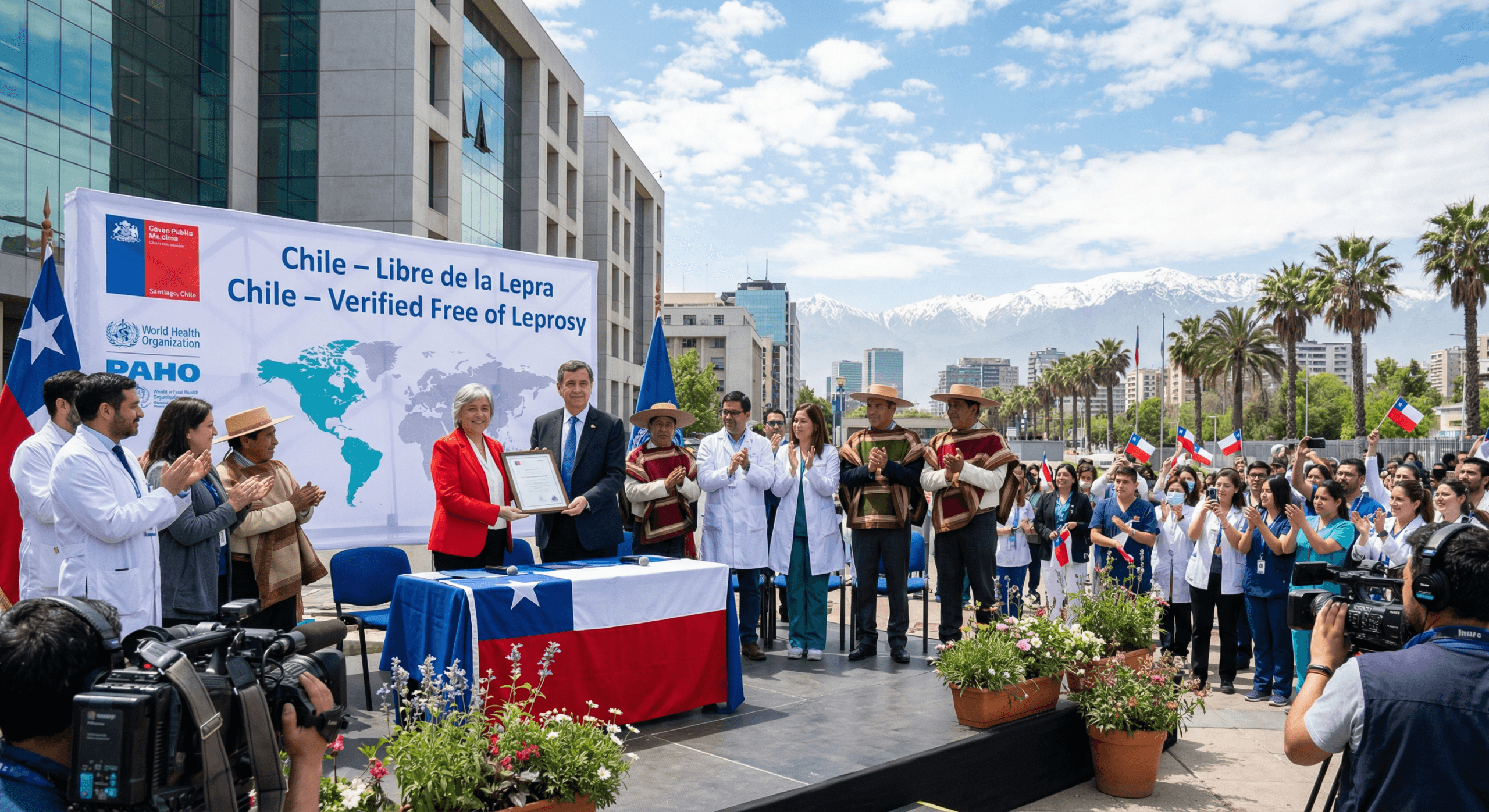
Chile Verified by WHO as the First Country in the Americas to Eliminate Leprosy
In a public-health milestone celebrated across the Americas, Chile has become the first country in the hemisphere and only the second worldwide to be verified by the World Health Organization for eliminating leprosy (Hansen disease). The verification, announced jointly by WHO and the Pan American Health Organization on 4 March 2026, crowns more than three decades of vigorous surveillance, early detection, and inclusive care.
A Journey from Isolation to Integration
Leprosy was first recorded in Chile at the end of the 19th century, most notably on Rapa Nui (Easter Island). While sporadic cases occasionally appeared on the mainland, strict containment and therapy on the island prevented wider spread. The final locally acquired case was reported in 1993. In the three decades since, no transmission within Chile’s borders has been detected.
Importantly, the Ministry of Health never declared the disease “solved” or removed it from surveillance. Leprosy remains a notifiable condition, tracked through mandatory reporting and clinician vigilance at national and regional levels.
“This landmark public-health achievement is a powerful testament to what leadership, science, and solidarity can accomplish,” said Tedros Adhanom Ghebreyesus, WHO Director-General. “Chile’s elimination of leprosy sends a clear message: with sustained commitment and inclusive health services we can consign ancient diseases to history.”
Verification through Evidence
At Chile’s request, PAHO and WHO convened an independent expert panel in 2025 to determine if elimination had been achieved and could be maintained. The panel scrutinized epidemiological data, surveyed laboratories and referral systems, and reviewed post-elimination sustainability plans. Their report confirmed zero local transmission for over 30 years and the national capacity to detect and treat new cases imported from abroad.
Jarbas Barbosa, PAHO Director, commended Chile’s achievement:
“Eliminating leprosy requires strong systems that detect, respond to, and care for affected people, including those with disabilities. Chile’s example shows that diseases linked to vulnerability can indeed be eliminated when health systems and communities work together.”
Health-System Strength behind Success
Between 2012 and 2023, Chile reported just 47 leprosy cases nationwide all imported. Such precision reporting reflects an integrated model where primary-care clinics screen suspected patients and rapidly refer them to specialist dermatology centers for diagnosis and free multidrug therapy (MDT). Treatment follows WHO protocols, with rehabilitation and physiotherapy support to prevent disability.

Clinicians are trained through courses in line with WHO’s Towards Zero Leprosy Strategy, ensuring modern skills even in a low-incidence environment where many doctors may never encounter a case first-hand. Chile’s system builds protection through continuity of care and constant alertness.
This sustained vigilance mirrors the principles behind preventive checkups maintaining screening systems even when disease is rare ensures early detection and treatment.
“We are deeply proud of this recognition,” said Ximena Aguilera, Minister of Health of Chile. “It reflects years of work by our public-health teams and reaffirms our duty to maintain stigma-free care and sensitive surveillance into the future.”
Regional Significance across the Americas
Chile’s breakthrough is a first for the Region of the Americas and a strong signal that elimination of leprosy and other neglected tropical diseases (NTDs) is achievable. Since 1995, Pan American Health Organization, working with the World Health Organization, has ensured uninterrupted access to free MDT in every country of the Americas. The continuous supply was made possible by The Nippon Foundation (1995–2000) and Novartis (since 2000) through agreements with WHO. This reliable pipeline, combined with strong national distribution systems, has been crucial to curing patients, preventing disability, and stopping transmission.
PAHO has also supported Chile in aligning its surveillance with international standards, training field epidemiologists, and maintaining diagnostic capacity in a context where few cases appear. Such support ensures that low-incidence does not mean low readiness.
“This recognition belongs to all the health workers who never stopped studying and caring for patients, even when there were no cases nearby,” added Barbosa. “Continuous vigilance is how success is sustained.”
Human Rights and Inclusion
Chile achieved elimination within a legal and social framework that protects human rights and promotes zero discrimination. National legislation guarantees equal access to health care and disability services. Public policies explicitly address stigma and social barriers that historically accompanied the disease, integrating rehabilitation and social support into routine health-service packages.
The country’s mixed public-private system ensures coverage for migrants and indigenous populations alike, with robust regulatory oversight under the Ministry of Health. By embedding anti-stigma principles into law and practice, Chile demonstrates that elimination extends beyond medical outcomes to societal healing.
This holistic approach to reducing stigma and ensuring equal access aligns with broader frameworks for emotional safety and dignity in health-care settings.
Continuing Vigilance in a Post-Elimination Era
Verification of elimination is not the end of Chile’s responsibility. Under WHO criteria, the country must maintain sensitive surveillance and report regularly on any imported or relapsed cases. The 2025 review panel recommended:
- Designating a formal national referral center for leprosy diagnosis and rehabilitation
- Continuing training through the WHO Academy’s online platform to preserve institutional memory

Collaboration between Chile’s experts and WHO ensures long‑term leprosy elimination success. - Integrating leprosy indicators into broader infectious-disease monitoring
Through these measures, Chile will retain its capacity to detect rare cases quickly and deliver early treatment, ensuring that elimination remains irreversible. This commitment to ongoing vigilance reflects the same dedication seen in working mother recovery strategies sustainable success requires continuous attention, not one-time effort.
Regional and Global Implications
For Neighboring Countries and the Region
Chile’s experience serves as a template for other countries in the Americas still experiencing sporadic local transmission. By showcasing integration of leprosy control into primary care and social protection systems, Chile offers a practical blueprint for sustaining elimination in low-incidence settings. PAHO’s Disease Elimination Initiative plans to leverage these lessons to help Brazil, Colombia, Ecuador, Guatemala, and Mexico consolidate their own NTD gains.
The Regional Task Force is also examining Chile’s community outreach approaches to reduce stigma, emphasizing that elimination must combine biomedical intervention with social inclusion. New joint training modules for health workers across Latin America will draw upon Chile’s model of early detection and holistic care.
For Global Health
Chile now joins the Jordan as the second nation on earth to achieve verified leprosy elimination. This positions the Americas as a key driver of global progress toward the WHO Target of Zero Leprosy Transmission and Disability by 2030.
Chile becomes the 61st country worldwide and the sixth in the Americas to have eliminated at least one neglected tropical disease, alongside Brazil, Colombia, Ecuador, Guatemala, and Mexico. WHO officials say future verification requests from Caribbean nations could follow as surveillance data strengthen.
Globally, more than 200,000 new leprosy cases are still reported annually across 120 countries. Chile’s achievement provides evidence that the road to universal elimination is not theoretical and that decades-long commitment can overcome poverty-linked diseases once thought endemic forever.
The principles of sustained commitment and community-level connection proved essential health workers maintained relationships with remote populations, ensuring trust and compliance even when cases were rare.
Science, Social Progress, and Solidarity
Experts stress that the verification reflects not only scientific advances but also decades of social transformation. Elimination required treatment access throughout Chile’s vast and diverse geography from urban centers to remote islands as well as resolving the stigma that historically isolated patients. By embedding human-rights principles in public policy, Chile succeeded in turning a once feared illness into a manageable memory.
Dr Tedros summed up the broader lesson:
“Elimination is never accidental. It is built on long-term investment, dedicated professionals, and communities who believe that health equity is possible for all.”
Implications Across Levels
Local and Community Level
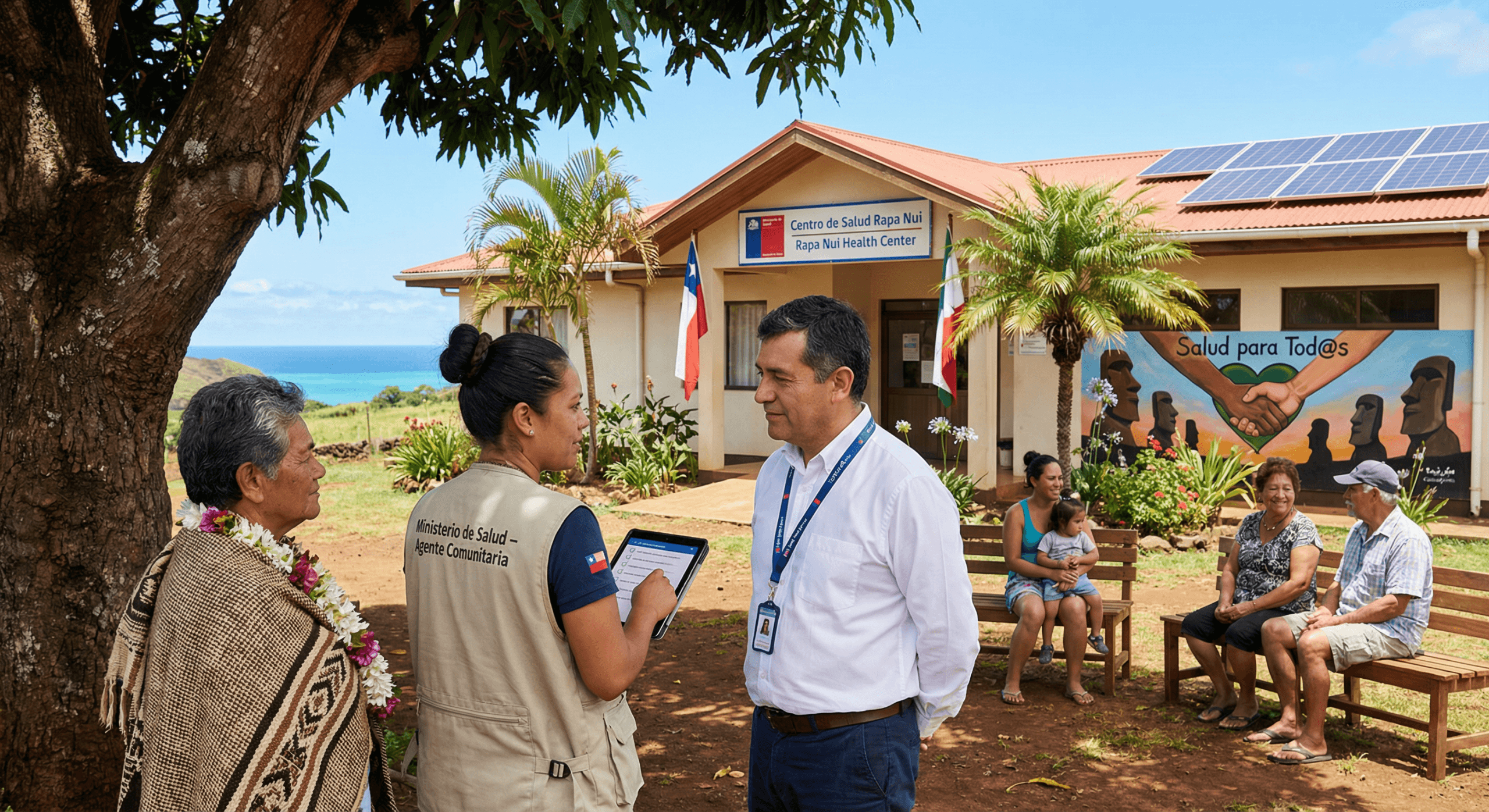
Chile’s verification demonstrates that even remote areas like Rapa Nui can achieve sustained disease elimination through community-based care and public trust. It validates the country’s investment in universal primary care and its longstanding practice of training local health agents to recognize symptoms early. For community leaders, the recognition offers proof that collaboration between indigenous and governmental structures can deliver results on an equal footing.
National Health Policy
At the national level, verification strengthens Chile’s reputation as a regional model for disease elimination within an equitable legal framework. It validates its investment in public health infrastructure and its decision to keep obsolete diseases under surveillance instead of declaring victory too soon. This approach can guide domestic policy for other NTDs such as Chagas disease and trachoma.
The commitment to maintaining comprehensive health coverage for all populations regardless of geography or immigration status proved crucial to sustaining elimination over decades.
Regional Integration
Within the Americas, Chile’s success will likely accelerate PAHO’s Disease Elimination Initiative. Neighboring countries may benefit from technical exchanges with Chilean clinicians specialized in leprosy management. It also opens new cooperative channels for joint training and cross-border surveillance to avoid re-introduction of cases through migration routes or trade corridors.
Global Perspective
Globally, this achievement sends a symbolic message that the end of leprosy is within reach when countries combine political will, scientific rigor, and human-right protections. It strengthens the cause of neglected tropical disease programmes and supports funding appeals for the final push toward 2030 targets in WHO’s NTD Road Map 2021–2030.
The verification also revives public interest in the legacy of Rapa Nui, reminding the world how once isolated communities can become leaders in public-health resilience and cultural inclusion.
Takeaway
Chile becomes the first country in the Americas and the second globally to be verified by WHO for elimination of leprosy. Verification follows 30 years without local transmission and decades of robust surveillance and inclusive care. The achievement reflects political commitment, unbroken access to free multidrug therapy, and anti-stigma health laws. Chile’s experience provides a blueprint for sustained elimination and other disease-control efforts across the Americas and beyond. With this verification, Chile joins Jordan as a global pioneer and the 61st country worldwide to eliminate at least one neglected tropical disease.
This content is for educational purposes and does not substitute for professional psychological or therapeutic help.