CDC’s NIOSH Launches 2026 Free Mobile Health Screenings to Protect Coal Miners from Black Lung Disease
The National Institute for Occupational Safety and Health (NIOSH), part of the Centers for Disease Control and Prevention (CDC), has announced the start of its 21st annual mobile health screening program for coal miners across the United States. Running from March through May 2026, the initiative will bring free and confidential testing to mining communities in West Virginia, Virginia, Alabama, Kentucky, Ohio, and Indiana to detect black lung disease early protecting miners from this preventable occupational illness.
Safeguarding the Health of America’s Coal Miners
Now entering its third decade, the Coal Workers’ Health Surveillance Program (CWHSP) provides miners with check-ups that can catch pneumoconiosis, or black lung disease, in its earliest stages. The condition results from years of breathing coal dust. Consequently, it causes inflammation and scarring in the lungs that can lead to chronic respiratory failure if undiagnosed and untreated.
“America’s coal miners work hard and sacrifice to keep our nation running,” said Dr John Howard, Director of NIOSH. “These confidential, free screenings are an important way we can protect their health and reduce their risk of lung disease. If black lung is caught early, we can help prevent serious health outcomes which is why it is so important that we bring these services directly to the communities that need them through our state-of-the-art mobile unit.”
Where and How the Screenings Work
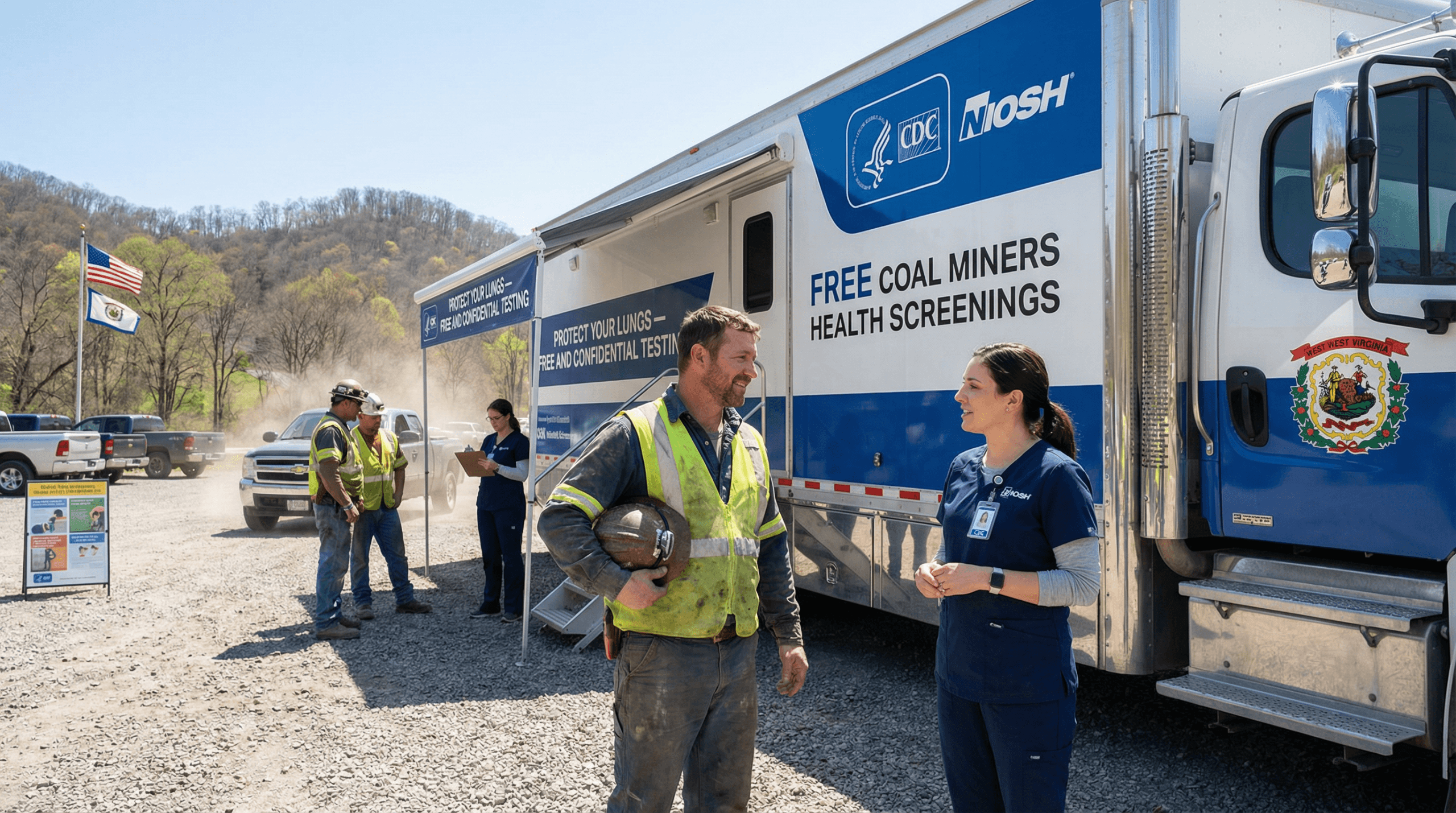
From March to May 2026, NIOSH mobile testing units will visit coalfield towns throughout the six-state region. The screenings include a:
- Work and respiratory health questionnaire
- Digital chest X-ray
- Blood pressure check
- Spirometry (breathing test) to measure lung function
Testing is conducted in NIOSH’s modern air-conditioned mobile unit a converted tractor-trailer equipped with medical-grade digital imaging and ventilation systems. Each appointment takes about 30 minutes. Moreover, results are mailed confidentially within 12 weeks.
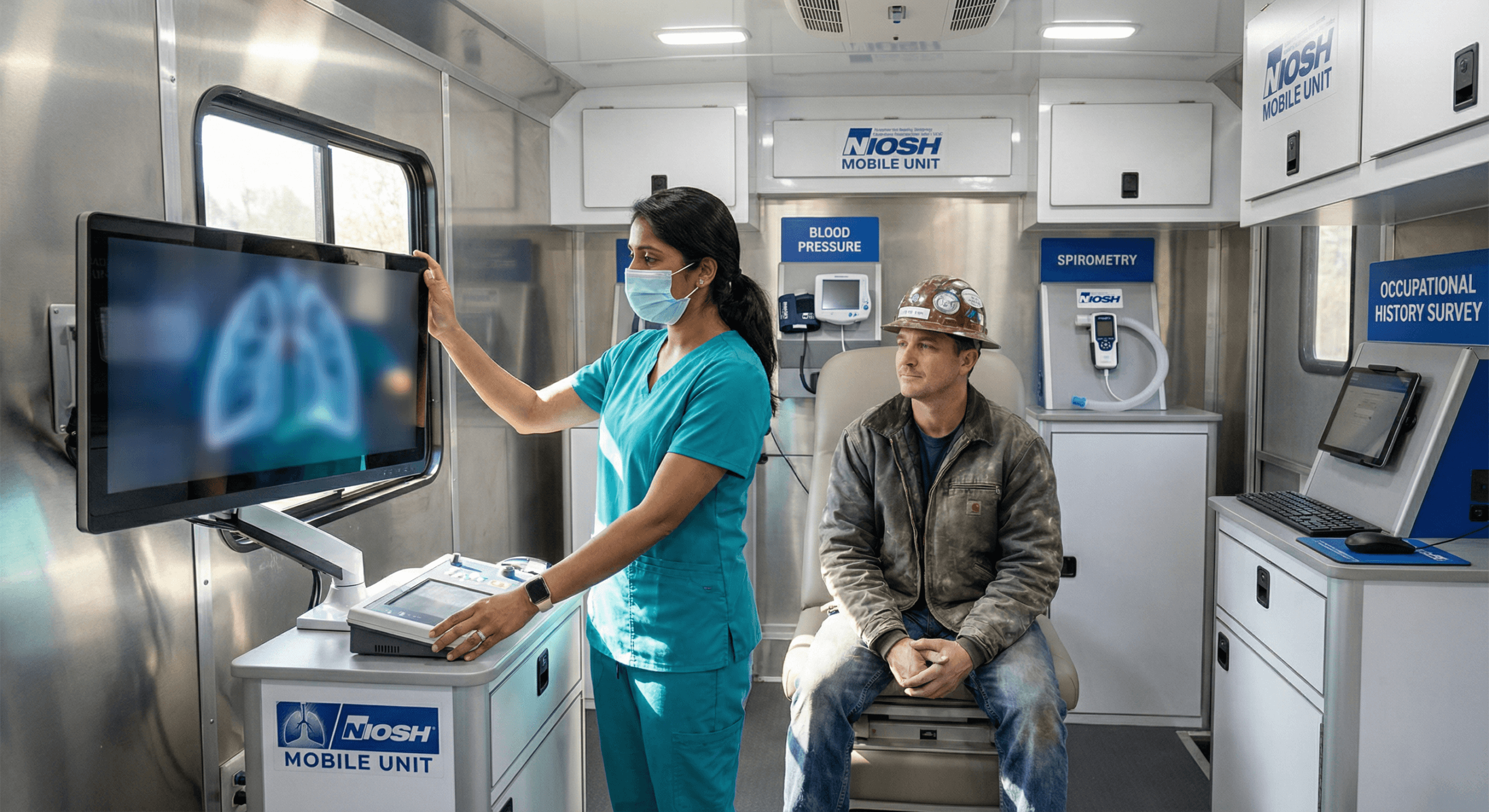
Appointments are recommended but not required; walk-ins are always welcome. Individuals can schedule by calling 1-888-480-4042 or emailing cwhsp@cdc.gov. Screening dates and locations are posted on the CWHSP webpage and NIOSH social-media channels.
All coal miners current, former, underground, surface, and contract workers are eligible and encouraged to participate. Federal law protects the privacy of participants. Therefore, company employers cannot access results without written consent.
Why Early Detection Matters
Health specialists emphasize that even short exposure to coal dust can damage lungs. However, early intervention through medical monitoring and personal protective equipment can halt disease progression. The screenings serve three critical purposes:
Protect the individual miner. Identifying respiratory changes early allows medical intervention and changes in work environment to prevent further damage.
Protect the workforce. Aggregated data guides safety standards. In addition, it helps state inspectors evaluate dust control in mines.
Protect communities. Tracking geographic patterns of black lung risk supports local health planning and benefit eligibility programs.
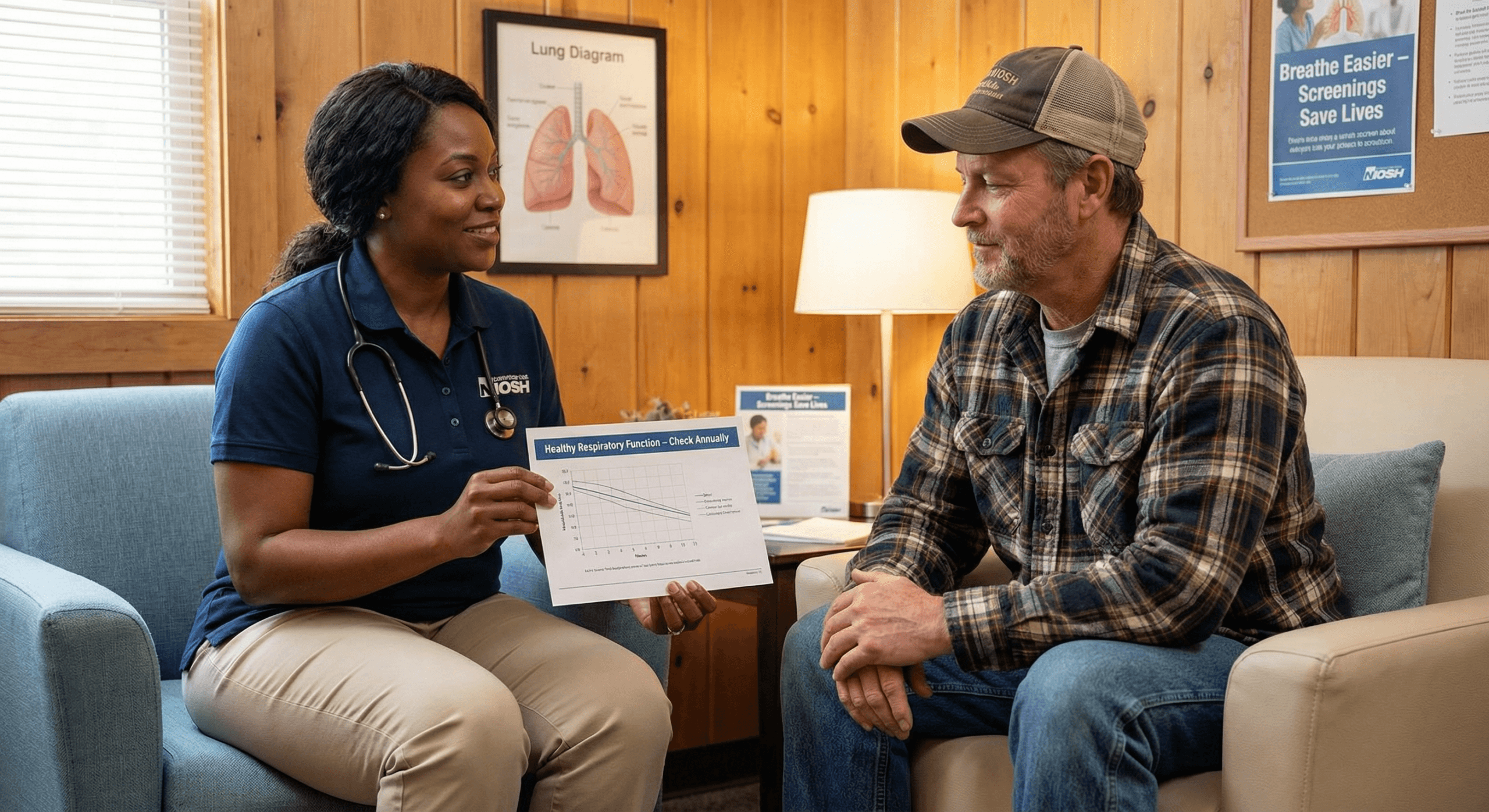
Miners who participate receive personalized recommendations from NIOSH clinicians. Furthermore, they can choose to participate in follow-up studies that strengthen scientific understanding of occupational lung conditions.
A Partnership with Mining Communities
NIOSH’s mobile-screening teams coordinate with mine operators, union leaders, and local health departments to ensure that testing locations are accessible to the region’s shift-based workforce. Appointments often take place outside union halls, community centers, and county health departments. As a result, the process becomes convenient and private.
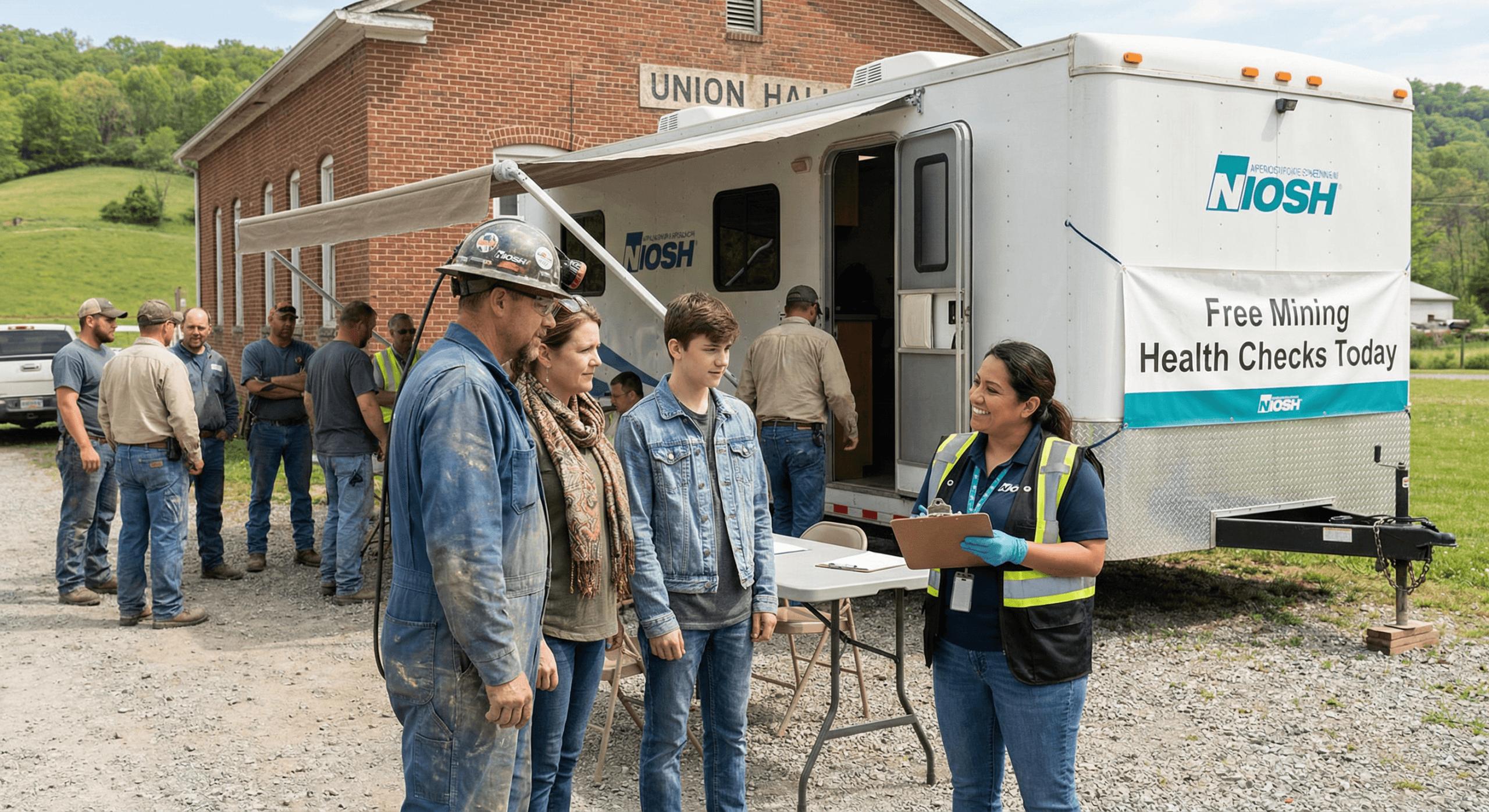
Support from community leaders has been central to the program’s success. By bringing NIOSH experts to the mine entrance rather than asking workers to travel hundreds of miles to cities, the initiative removes the financial and time barriers that once limited participation. Similarly, local officials say such proximity also builds trust between miners and health authorities a cornerstone of effective occupational medicine.
Protecting the Next Generation of Miners
Since its establishment, the Coal Workers’ Health Surveillance Program has screened tens of thousands of miners nationwide. Each year adds to a scientific dataset that informs federal dust-control regulations. Likewise, it helps chart the decline or resurgence of pneumoconiosis.
While levels of classic black lung have decreased from mid-20th-century highs, NIOSH researchers note that a “resurgent form” of progressive massive fibrosis has appeared in some Appalachian areas. Consequently, continued screening remains vital.
The agency is working with mine safety inspectors and industry partners to improve dust control technology, expand ventilation monitoring, and update educational materials on respiratory protections. Collaborative efforts include new training modules for younger miners, who may not remember the historic battles to establish occupational limits decades ago.
“Screening programs don’t just diagnose disease they save careers and families,” Dr Howard noted. “When miners see that we can catch problems early and intervene, it reaffirms why prevention must always come first.”
Implications for Local, State, and National Communities
Local and State-Level Impact: U.S. Mining Communities
At the heart of NIOSH’s effort are America’s coal towns places where mining is not only an occupation but a lifeline of economic and social identity. By bringing screening directly to these communities, the agency demonstrates that occupational health can be made accessible even in remote regions.
State departments of health in West Virginia, Kentucky, and Virginia are integrating NIOSH screening results into their public-health databases. This integration helps them better track lung disease trends. Additionally, it provides eligible workers with support services, including pulmonary rehabilitation and benefit counseling. By linking federal and state systems, they turn data into locally tailored prevention plans.
For families and local clinics, knowing that the mobile unit will return each year builds consistency and trust. It also creates a community expectation of routine lung health checkups similar to blood-pressure screenings or cholesterol tests a shift that strengthens the culture of prevention in America’s coal regions.
National Significance
At the national level, the CWHSP data feed into federal research on occupational disease trends. They also help shape policy under the Mine Safety and Health Administration (MSHA). These partnerships ensure that NIOSH’s screenings do more than serve individual miners. Indeed, they inform the entire framework of regulations protecting the U.S. workforce.
Analyzing dust composition, ventilation systems, and regional hot spots helps federal scientists update preventive standards. Notably, these standards apply to metal, non-metal, and construction industries as well. The lessons from coal country reach far beyond the Appalachian Mountains.
Broader Occupational-Health Context
Black lung disease is a reminder that occupational hazards remain a daily reality for many workers. NIOSH’s mobile screenings serve as a model for other occupational programs testing construction workers, firefighters, and farmers for chronic conditions linked to environmental exposures. As global energy markets fluctuate and some mines close, the program also serves transitional workers who need monitoring long after retirement or career changes.
NIOSH officials note that sustaining such services is both a public-health duty and a moral obligation to the communities that fueled America’s industrial growth. Every screening unit on the road is a symbol of continuity between science and the people it serves.
How to Participate
Coal miners interested in the 2026 screenings can find the schedule and locations on NIOSH’s Coal Workers’ Health Surveillance Program webpage and its social media accounts on Facebook and X (formerly Twitter). Appointments can be made by calling 1-888-480-4042 or emailing cwhsp@cdc.gov.
Participation is voluntary and confidential. Results are issued only to each miner and, with consent, to their personal physician. The mobile units will operate through May 2026 before data analysis and program planning begin for next year’s screenings.
Summary
NIOSH’s 21st annual mobile health screening program runs March–May 2026 across six coal-producing states. Free and confidential testing protects miners through early detection of black lung disease (pneumoconiosis). Each 30-minute visit includes a chest X-ray, spirometry, blood-pressure check, and occupational history. All current and former miners are eligible; results are protected by federal confidentiality laws. NIOSH’s mobile program demonstrates how federal science and local trust combine to defend U.S. working communities from preventable disease.
Centers for Disease Control and Prevention (2026). CDC’s NIOSH Continues Annual Free Health Screenings for Coal Miners; Announces 2026 Dates.
This content is for educational purposes and does not substitute for professional psychological or therapeutic help.