Cultural Roots of Resilience: Psychological Well-Being in Black America
Community as Medicine
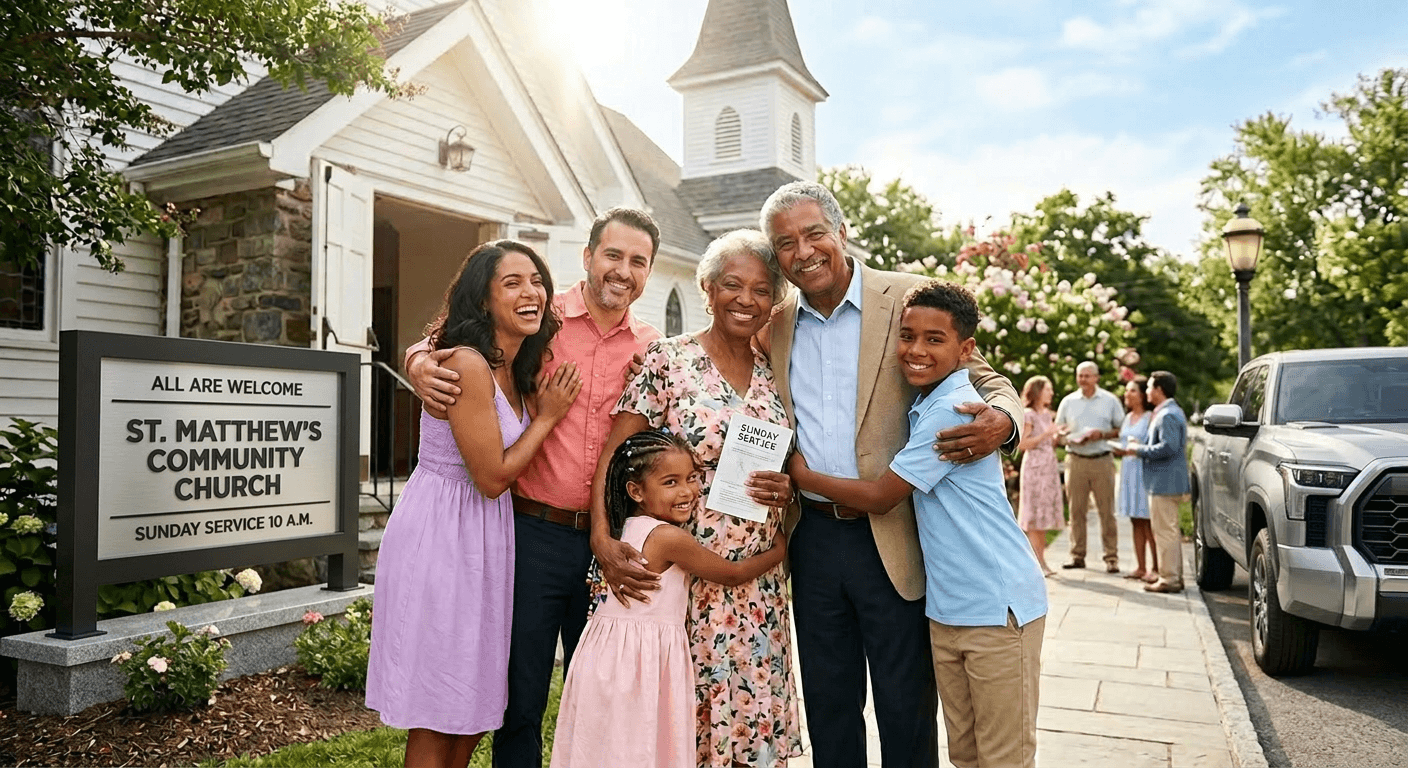
Walk into a Black church on Sunday, a barbershop on Saturday morning, or a family cookout in the summer, and you’ll feel something powerful community as medicine. Across generations, Black Americans have built connection, creativity, and faith into survival strategies. That cultural resilience remains a foundation for mental well-being today, even as stressors like systemic racism and stigma continue to test psychological well-being in Black America.
Experts at the American Psychological Association’s Division 45 which studies culture, ethnicity, and race note that cultural identity and social support can protect against psychological distress. Understanding those roots helps transform mental health talks from taboo to toolkit.
Understanding Cultural Context
Mental health doesn’t occur in a vacuum. Research from the U.S. Department of Health and Human Services’ Office of Minority Health shows that Black Americans are 20 percent more likely to report serious psychological distress than white adults but far less likely to receive treatment. Barriers range from limited access to trust gaps rooted in historical inequities.
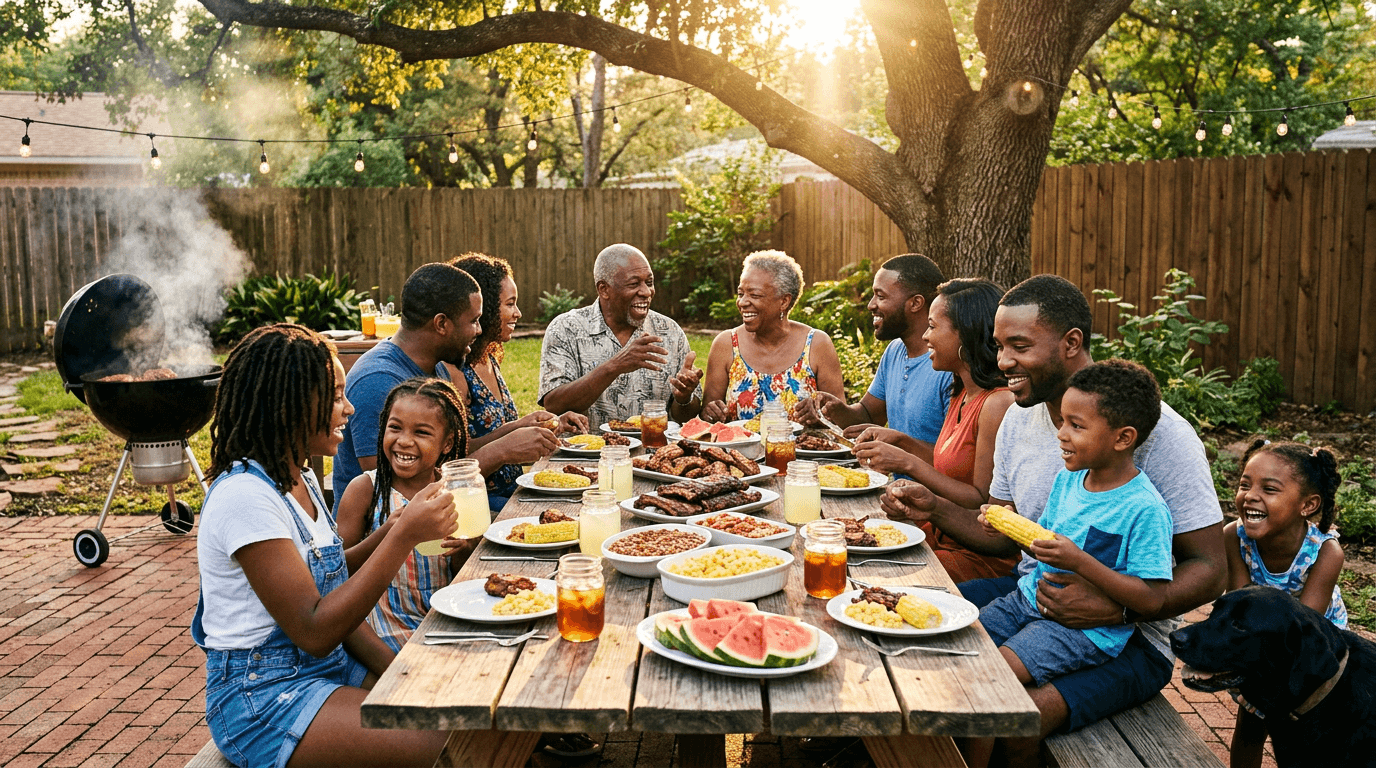
Yet within Black culture are powerful protective factors: collectivism, spirituality, storytelling, and a legacy of mutual aid. Harvard’s Mind and Mood section has highlighted that acknowledging social identity and community belonging improves therapy outcomes and confidence in healing.
This tension between stressor and strength reflects the same dynamic explored in thriving beyond stress toward purpose resilience emerges not from ignoring hardship but from building networks that hold us through it.
Addressing Stigma and Opening Dialogue
“There’s nothing wrong with prayer,” psychologist Thema Bryant, Ph.D., current APA President, often says, “but sometimes God works through therapists too.” Generational messages to “stay strong” or “handle it yourself” can discourage seeking help. Normalizing therapy means reminding families that resilience and rest co-exist.
Start at home: swap “mental illness” language for “mental wellness.” Share how therapy helped a friend or celebrity role model think Taraji P. Henson’s Boris Lawrence Henson Foundation and dispel myths that counseling is only for crisis.
This shift toward openness mirrors the courage explored in the strength to ask for help redefining resilience as shared, not solitary.
Community Protective Factors
Faith and Spiritual Spaces
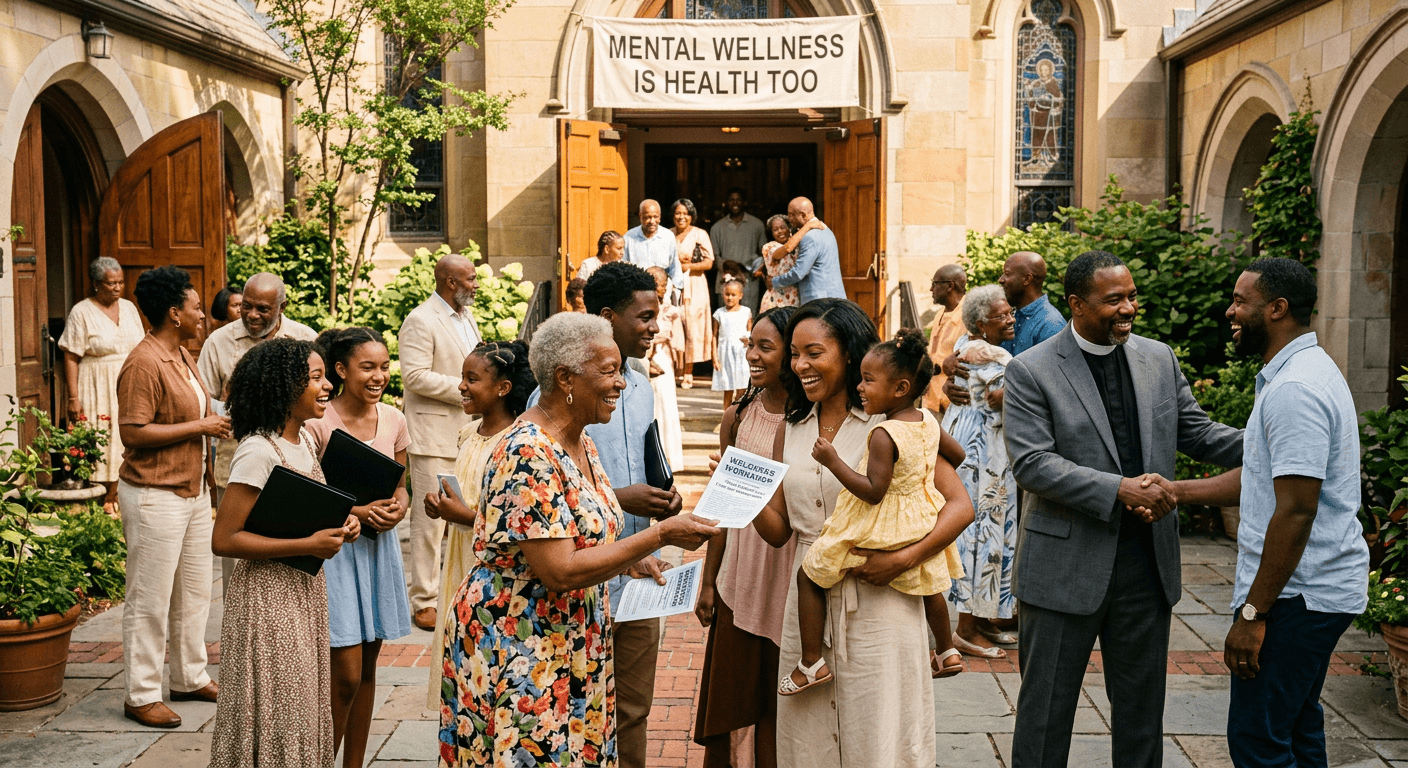
Churches and faith centers have long been safe places for grief, celebration, and advocacy. The Substance Abuse and Mental Health Services Administration (SAMHSA) recognizes faith-based leadership as a benchmark for culturally competent outreach. Programs that pair spiritual leaders with mental-health training are helping normalize support.
Art and Activism
From jazz and gospel to hip-hop and spoken word, creative expression has always translated pain into power. Community healing circles, dance classes, and activist groups frame engagement as a path to hope, not just protest. Participation creates purpose, a key driver of resilience according to NIMH research on positive psychology.
This blend of identity and action aligns with the journey described in authentic identity and belonging in America becoming yourself within and through community.
Access and Equity: Where to Begin
Many people don’t know affordable and culturally responsive care exists. The SAMHSA Behavioral Health Treatment Locator lets you search by zip code and filter for Black/African American-specialized or faith-based providers.
Nonprofits like Inclusive Therapists and Therapy for Black Girls list clinicians with training in racial identity and cultural humility. If private therapy isn’t affordable, look to community health centers under the HRSA network for income-based care.
Finding the right support often requires the same persistence used in building emotional regulation skills daily small, repeated efforts that accumulate into real change.
Everyday Resilience Skills
Mindfulness Tailored to Culture
Meditation apps like Liberate and Shine feature Black voices and music rooted in affirmation and prayer. Mindfulness doesn’t need to be silent; it can be a walk to music that grounds you in gratitude.
These practices echo the approach in micro-moments of calm finding brief, culturally resonant pauses that steady the heart and mind.
Journaling as Legacy
Writing down both pain and gratitude turns personal stories into history. Youth mentorship programs funded by the Office of Minority Health use journaling to build emotional literacy and confidence.
Social Connection
Call friends who “get it,” join a sorority alumnae group, or host family dinners where mental check-ins are part of the menu. The APA ties interpersonal support to lower cortisol and better sleep. Joy is a valid coping skill.
This mirrors the science behind social fitness and how relationships strengthen health connection isn’t luxury; it’s infrastructure for well-being.
Representation Matters
Therapy works best when you feel seen. Black clinicians currently make up only 4 percent of U.S. psychologists, yet representation is rising. Clients often report more trusting relationships and deeper healing when providers acknowledge race, faith, and community context principles of “cultural humility” taught by the APA’s Reimagining Psychological Care Initiative.
If finding a same-race therapist is hard, ask potential providers about their experience with racial stress and microaggressions; a good clinician welcomes that conversation.
The same principle applies in emotional safety as the foundation of true intimacy trust requires environments where you can show up fully without fear of judgment.

Acknowledging Systemic Stressors Without Losing Hope
Exposure to racism, economic segregation, and negative media portrayals is linked to chronic stress and higher rates of hypertension and anxiety. But data also show the power of collective action: civic engagement, faith coalitions, and grassroots organizing build a sense of agency and reduce isolation. Community healing is a form of public health.
The balance between naming hardship and maintaining optimism reflects the wisdom in emotional agility acknowledging reality without being defined by it.
Resilience as Inheritance
Resilience in Black America didn’t begin as a buzzword it was a necessity passed through spirituals, movement, and care for one another when systems ignored both bodies and minds. Acknowledging pain and seeking support honors that heritage. From the church pew to group therapy, from poetry slams to community gardens, healing continues as a collective practice.
The goal isn’t to “be strong no matter what” it’s to share the load and remember that seeking help has always been a form of strength.
Summary
- Cultural identity and community connection protect mental well-being in Black America.
- Faith, art, and activism serve as resilience anchors across generations.
- Stigma reduction starts with language shifts at home and normalizing therapy.
- Culturally competent care improves trust, outcomes, and healing depth.
- Everyday practices mindfulness, journaling, social connection build resilience daily.
- Representation and equity in mental health access remain critical goals.
Mental well-being in Black America is rooted in community, faith, and shared resilience. Culturally competent care, representation, and open dialogue help transform mental health from stigma to self-care.
This content is for educational purposes and does not substitute for professional psychological or therapeutic help.