
Beyond “Strong”: Finding Your Own Story in a World That Calls You Unbreakable
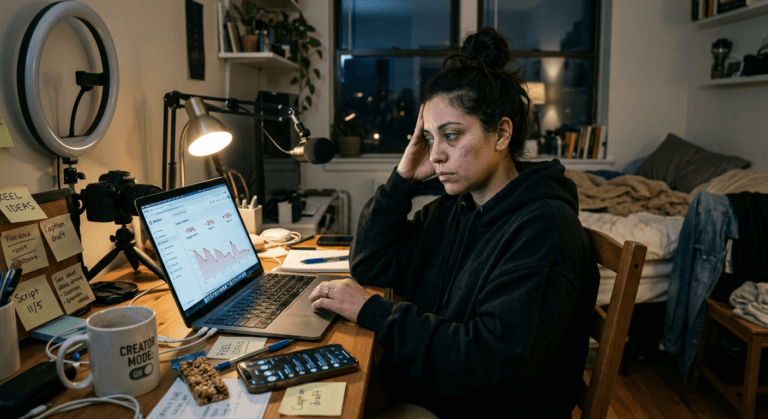
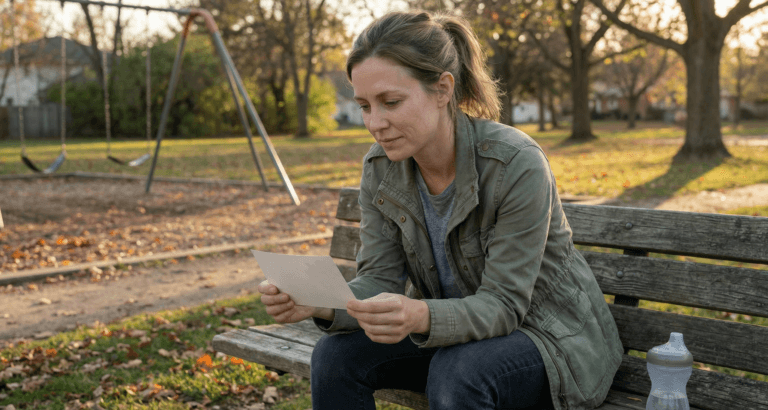
A Detroit nurse picks up another double shift despite back pain. A Los Angeles single mother coaches her teen through homework while answering late emails. A Black entrepreneur in Atlanta smiles through exhaustion at yet another “You’re amazing you do it all!”
Our culture praises women like these as symbols of strength. Strength can be wonderful it means endurance, reliability, hope. But somewhere between admiration and expectation, strong stops sounding like a compliment and starts acting like a command. The world claps for resilience yet often punishes rest.
Psychologists call what develops in that tension an identity collapse: your sense of self compresses into a single role the ever-capable provider. The parts of you that are curious, creative, romantic, or fragile go underground. Over time, internalized pressure to be unbreakable blurs identity itself.
To rediscover wholeness, we can turn to two powerful frameworks: Narrative Therapy, which helps people rewrite personal stories, and Intersectionality, which illuminates how overlapping social expectations shape those stories.
The Stories We Live Inside
In the 1980s, Australian therapists Michael White and David Epston developed Narrative Therapy, proposing that people understand life through stories rather than raw facts. The goal isn’t to deny hardship but to separate you from the problem and re-author what happens next.
Consider how easily one label the strong one can dictate a plot. It sounds empowering, yet it can erase vulnerability, dependence, or pleasure. Narrative Therapy asks three gentle questions:
- When did this story first take hold?
- Who helped write it family, community, culture, crisis?
- What alternative stories deserve more airtime?
Answering those questions loosens the identity script that insists power means perpetual composure. This process mirrors the journey explored in authentic identity and belonging in America becoming yourself beyond others’ expectations.
Intersectionality: The Map Beneath the Story
Legal scholar Dr. Kimberlé Crenshaw coined Intersectionality to describe how race, gender, class, and culture weave together to shape experience. In the U.S., the “strong woman” image carries different costs across communities:
- The strong Black woman stereotype frames resilience as obligatory, often silencing pain.
- Latina caregivers are expected to be endlessly self-sacrificing for family.
- Asian American daughters may feel duty-bound to succeed quietly.
- White professional women often battle “lean-in” perfection narratives of efficiency.
Each version valorizes care while ignoring caregivers’ exhaustion. Recognizing those intersections replaces self-blame with context you’re not failing; you’re responding to inherited social scripts. That awareness itself is liberating.
The same cultural forces are explored in psychological well-being in Black America resilience shaped by both strength and systemic stressors.
The Cost of Constant Endurance
The American Psychological Association’s Stress in America Survey reports that more than half of U.S. women feel obligated to appear resilient even while struggling, and nearly 60 percent feel guilty when resting. Chronic pretense registers biologically: long-term stress raises cortisol, disrupts sleep, and weakens immune function.
At the same time, research from the Yale Center for Emotional Intelligence confirms that authentic emotional expression admitting frustration, asking for help improves teamwork and well-being. Invulnerability may look powerful, but emotional honesty builds the durability that armor cannot.
Being unbreakable is not the same as being well.
Re-Authoring Who You Are
A cornerstone of Narrative Therapy is “externalizing.” Instead of saying “I am burned out,” you might say “Burnout is visiting me.” That wording shrinks shame and invites curiosity: what strengthens burnout? What weakens it?
It’s a subtle cognitive shift similar to Cognitive-Behavioral Therapy’s defusion techniques, validated across American counseling studies. You regain authorship the power to change plot direction.
Next comes re-membering, a term White and Epston used to describe gathering forgotten characters back into your personal story: teachers who believed in you, friends who made you laugh, younger selves who had dreams. Remembering widens “who I am” beyond “what I endure.”
This skill connects to building emotional regulation skills daily creating space between stimulus and response.
Five Exercises for Redefining Strength
Name Your Chapters
Draw a horizontal timeline of your life. Instead of labeling years by crises (“divorce,” “layoff”), title them by response or discovery: “The Year I Learned Boundaries,” “The Season of Courage.”
A Stanford Narrative Identity Study found that intentionally reframed timelines increase optimism and self-continuity the sense your life makes coherent sense even after turbulence.
Interview Your Self
Journal for ten minutes as though you’re a friendly reporter asking, “What parts of me the world rarely sees?” and “Which emotions protect me most?”
Writing in third person helps you notice patterns with compassion rather than judgment, a restorative practice documented in APA research on expressive writing.
Draft a Different Introduction
Write a new self-bio. Begin with “People know me as…” and follow with “…but I am also…” Example: “People know me as dependable and I am also someone who draws silly comics when stressed.” Keep a snapshot of the rewritten version nearby; visual cues help rewire identity faster than abstract intentions.
Build Your Witness Circle
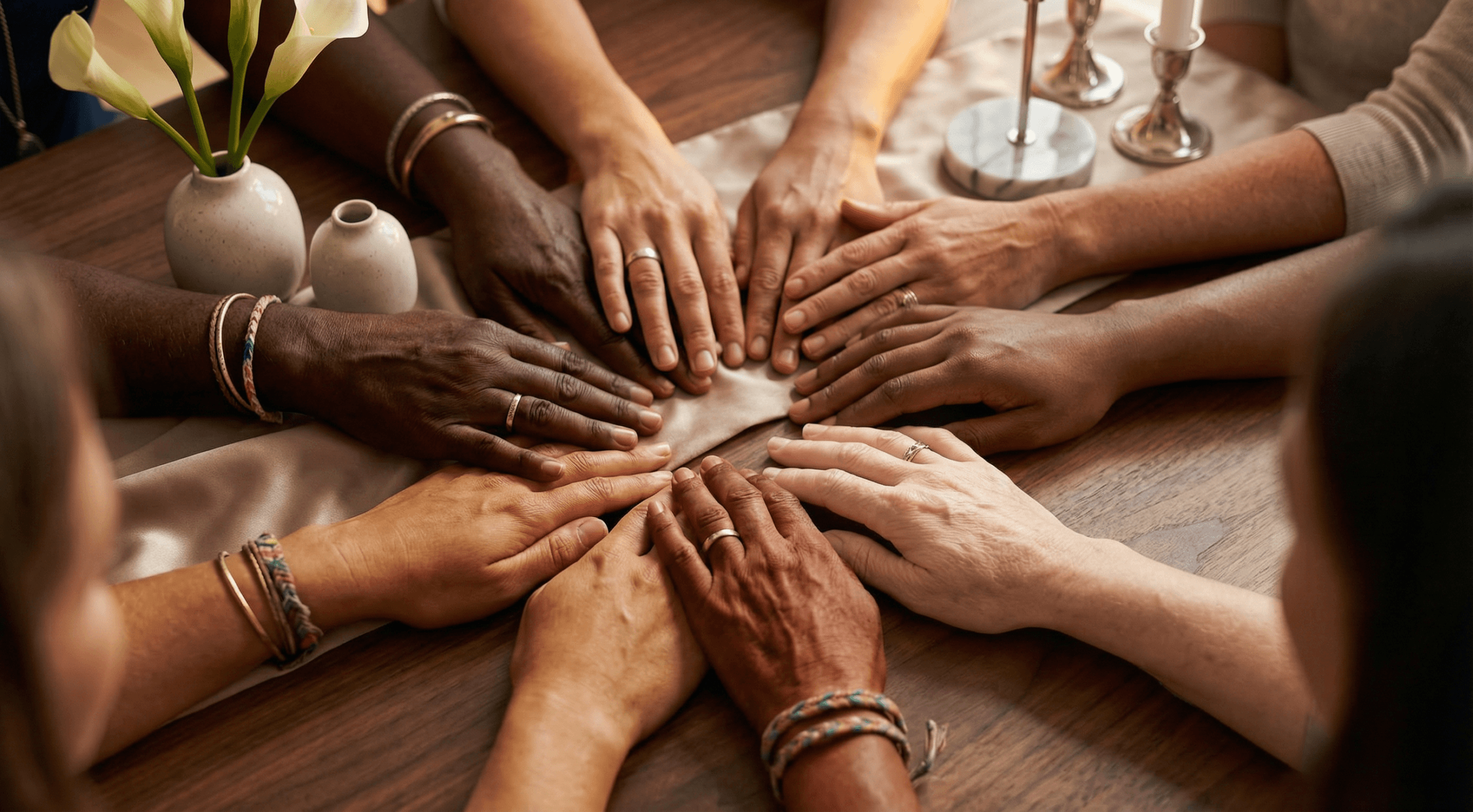
Invite three people perhaps across generations or backgrounds to exchange five-minute personal stories monthly via call or video. Choose themes like “moments of quiet courage” or “times we changed our minds.”
Harvard research notes that structured small-group storytelling produces measurable increases in life satisfaction and belonging within six weeks. Shared listening rewrites isolation into community narrative.
The Compassion Script
When guilt arrives “If I don’t handle everything, who will?” pause, breathe, and say aloud:
“I honor what I’ve carried, and I deserve to rest while others learn to carry too.”
This short statement pairs self-compassion with reality-testing from CBT. Spoken regularly, it lowers physiological stress responses, turning empathy inward. The same principle anchors defining enough through self-compassion.

Compassion as a Counter-Narrative
Our culture equates resilience with stoicism. Compassion says resilience can also look like boundaries, naps, softness, refusal. In 2021, Berkeley’s Greater Good Science Center highlighted data showing that self-compassion predicts motivation and accountability better than self-criticism.
Rewriting the “strong woman” narrative doesn’t mean discarding competence; it means adding nuance acknowledging that patience and tenderness are power skills too.
Collective Stories, Collective Healing
Narrative therapists emphasize that identity doesn’t reform alone. According to APA research on community psychology, communal validation being witnessed by peers who share context enhances resilience more than private journaling alone.
That’s why storytelling workshops, book clubs, or neighborhood circles become quiet revolutions. When one woman replaces her “always fine” story with “today I’m tired,” she licenses honesty for everyone present. Communities anchored in truth, rather than performance, lower collective stress.
This mirrors the power explored in pride in working-women communities shared roots create collective strength.
Practicing Intersectional Self-Care
Intersectionality reminds us that systemic barriers shape who gets to rest. For women of color, immigrants, or low-income professionals, saying “no” can risk judgment or livelihood. Self-care therefore must include structural awareness: advocating fair policies, supporting workplace mental-health benefits, mentoring others so care doesn’t rest on one generation.
Activist psychologists call this “community care” rest scaled beyond the self. Research confirms that culturally inclusive support groups drastically improve recovery rates because they address external causes, not just internal coping.
Reclaiming Joy as Resistance
One overlooked facet of power is pleasure. Joy, laughter, creativity they restore narrative color after years of grayscale endurance. UC Berkeley’s Greater Good Science Center has compiled extensive research showing that micro-joy (brief positive emotion states) broadens cognition and strengthens immunity.
Schedule delight deliberately: a walk without headphones, painting purely for fun, or dancing while the world’s emails wait. Rest becomes radical when joy follows it.
This practice echoes the approach in micro-moments of calm small pauses that restore wholeness.
When the World Still Expects “Unbreakable”
Sometimes you will still be praised for superhuman stamina. Smile, accept the compliment, and internally edit the translation: “They see my steadiness; they don’t yet see my fullness.” The growth work isn’t to erase strength but to contextualize it.
Real flourishing, as defined by APA’s Positive Psychology initiative, is the ability to function well and feel well not just to survive challenges but to experience meaning and connection during them.
Your emerging story could sound something like this:
“I’m a woman who learned strength by carrying too much, and now I’m learning it again by putting things down.”
This re-storying doesn’t ask the world’s permission; it simply proceeds. It reflects the wisdom in emotional agility holding complexity without collapse.

A Week-Long Application Plan
Day 1 – Inventory: List all the roles you play worker, friend, parent, partner. Circle the ones that deplete you most; underline those that fulfill you. Notice imbalance.
Day 2 – Rewrite Language: Replace “have to” with “choose to” in speech or journals to test autonomy.
Day 3 – Boundary Test: Say no once professionally or personally and record what actually happened versus what you feared. Track data; empowerment thrives on evidence.
Day 4 – Micro-Joy Assignment: Do one activity purely for sensory pleasure. Note mood before and after.
Day 5 – Connection Call: Reach out to someone outside your daily roles. Ask about their story first; empathy resets perspective.
Day 6 – Community Reflection: Watch a film or read an essay spotlighting intersectional women’s narratives. Write what strengths you recognize in common.
Day 7 – Restorative Review: Journal one sentence each:
- “I let go of …”
- “I’m keeping …”
- “I’m becoming …”
Within one week, the revised narrative gains practical roots.
From Endurance to Evolution
Strength built solely on endurance is brittle. Strength rooted in compassion flexes. Narrative Therapy and Intersectionality remind you that every intersection race, gender, class, history is not an obstacle but a story layer. You are not “too much” or “unbreakable.” You are specific, storied, and evolving.
Next time someone calls you so strong, maybe answer softly:
“Yes and I’m also tired, hopeful, and still learning how to rest.”
Because wholeness, not armor, was always the real masterpiece.
Summary
- Narrative Therapy helps you rewrite life stories that over-identify with toughness.
- Intersectionality reveals structural sources of the “strong woman” myth.
- Self-compassion and micro-joy transform resilience into restoration.
- Community storytelling multiplies healing through shared truth.
- Redefined strength = elasticity + empathy + self-authorship.
Your story is not a monument to survival; it’s a work in progress written in living ink.
This content is for educational purposes and does not substitute for professional psychological or therapeutic help.