


The Conversation No One Expected at 50
When Linda and Mark celebrated their 25th wedding anniversary, friends called them “relationship goals.” They had raised two kids, built a home, survived recessions and job changes. But a few months after their youngest left for college, Linda surprised friends with the news that she and Mark were getting divorced.
“It wasn’t a crisis,” she explained quietly. “We just realized we wanted different lives for the next 30 years.”
Stories like hers are becoming more common in living rooms, retirement offices, and social circles across the United States. Increasingly, Americans who once expected to “grow old together” are deciding instead to grow separately and sometimes to start over completely.
Defining Grey Divorce
The term grey divorce originated in the early 2000s as researchers and journalists noticed a sharp uptick in divorce among adults aged 50 and older many already grey-haired. It refers to the dissolution of marriages that have typically lasted decades.
According to a Pew Research Center analysis of U.S. Census and National Center for Health Statistics data, the divorce rate for people 50 and up has roughly doubled since the 1990s, even as divorce rates in younger age brackets have stabilized or declined. For Americans 65 and older, the rate has tripled.
Key Snapshot (Pew Research Center, 2017 study)
| Age group | Divorces per 1,000 married people | Trend since 1990 |
|---|---|---|
| Ages 25–39 | 24 → 16 | Down 33% |
| Ages 40–49 | 18 → 21 | Up 17% |
| Ages 50+ | 5 → 10 | Up 100% |
| Ages 65+ | 2 → 6 | Up 200% |
The pattern led demographers to nickname the cohort of post-midlife splitters the “Silver Splitters” or “Grey Divorce Revolution.”
How the Trend Emerged
Longer Life Spans, Longer Expectations
In 1970, the average life expectancy for an American couple marrying in their 20s was about 70 years. Today, it’s 79 for men and 83 for women. Midlife is no longer the closing chapter it’s the halfway point.
Dr. Robert Waldinger, director of the Harvard Study of Adult Development, notes that later-life satisfaction hinges on “relationships that continue to grow, not simply endure.” When spouses realize their bond has plateaued without shared curiosity, affection, or purpose they may decide the remaining decades are too precious for complacency.
This same principle of sustained emotional growth appears in emotional intelligence in relationships the capacity to evolve together determines long-term satisfaction.

Evolving Gender Roles and Economic Autonomy
After 1970, women entered higher education and the workforce in greater numbers. Today, per U.S. Census Bureau data, women hold over 50 percent of undergraduate and graduate degrees and contribute to household income on near-equal footing.
Economic independence reshaped marital choices. Where earlier generations might have stayed due to financial dependence, many women in midlife now have the means and confidence to leave relationships that no longer feel fulfilling.
A 2015 AARP survey found that 66% of grey divorces are initiated by women. Sociologists often interpret this not as impulsiveness but as a desire for self-agency after years allocated to nurturing family and career under others’ terms.
Empty-Nest and Retirement Transitions
After decades focused on raising children or work, couples hit simultaneous milestones: kids leaving home, health changes, or early retirement. Without shared routines anchoring them, the emotional distance once masked by logistics becomes visible.
APA studies on adult development transitions describe this phase as “identity redevelopment” the same self-questioning individuals experience in their 20s returns in their 50s, albeit with accumulated history. For some couples, rediscovering each other strengthens love; for others, it underscores divergence.
This echoes the dynamics explored in relationship transitions after college major life shifts often redefine what partnership means.
Changing Stigma
Divorce once carried community shame, particularly in conservative or religious circles. But contemporary America prizes authenticity over appearances. Social acceptance, accessible online communities, and positive media portrayals of single older adults all reduce psychological barriers.
A 2016 Pew survey showed that more than 67 percent of Americans view divorce as morally acceptable, up from 43 percent in the 1980s. That cultural normalization opened the exit door for those who once felt compelled to stay for image or convention.
Beneath the Statistics: Emotional Motivations
Emotional Loneliness in Shared Spaces
Loneliness isn’t reserved for singles. Harvard’s adult-development findings suggest that qualitative emptiness feeling unseen or emotionally malnourished within marriage is more predictive of later-life unhappiness than solitude itself. Many long-term spouses report decades of logistical teamwork but minimal emotional connection.
This mirrors the principle explored in emotional safety as the foundation of true intimacy without feeling seen, partnership becomes hollow.
Desire for Self-Rediscovery
Adults over 50 describe divorce not merely as escape but as reinvention. The developmental psychologist Erik Erikson viewed midlife as the stage of “generativity versus stagnation.” If growth halts, discontent grows. Initiating change through new careers, hobbies, or relationships offers renewed purpose.
Accumulated Micro-Conflicts
Contrary to media myths, grey divorces rarely stem from a single affair or blow-up. APA relationship research finds that “erosion, not explosion” explains most late-life splits: years of small resentments, avoided conversations, and parallel lives eventually wear empathy thin.
The importance of addressing small tensions early is the same lesson in couple communication that heals and connects minor misreads compound over time.
Health and Mortality Awareness
Midlife health scares or witnessing peers’ losses make time feel finite. Many say, “I don’t want to spend whatever years I have left unhappy.” Divorce then becomes an existential, not rebellious, decision.
The Emotional Aftermath: Grief and Growth
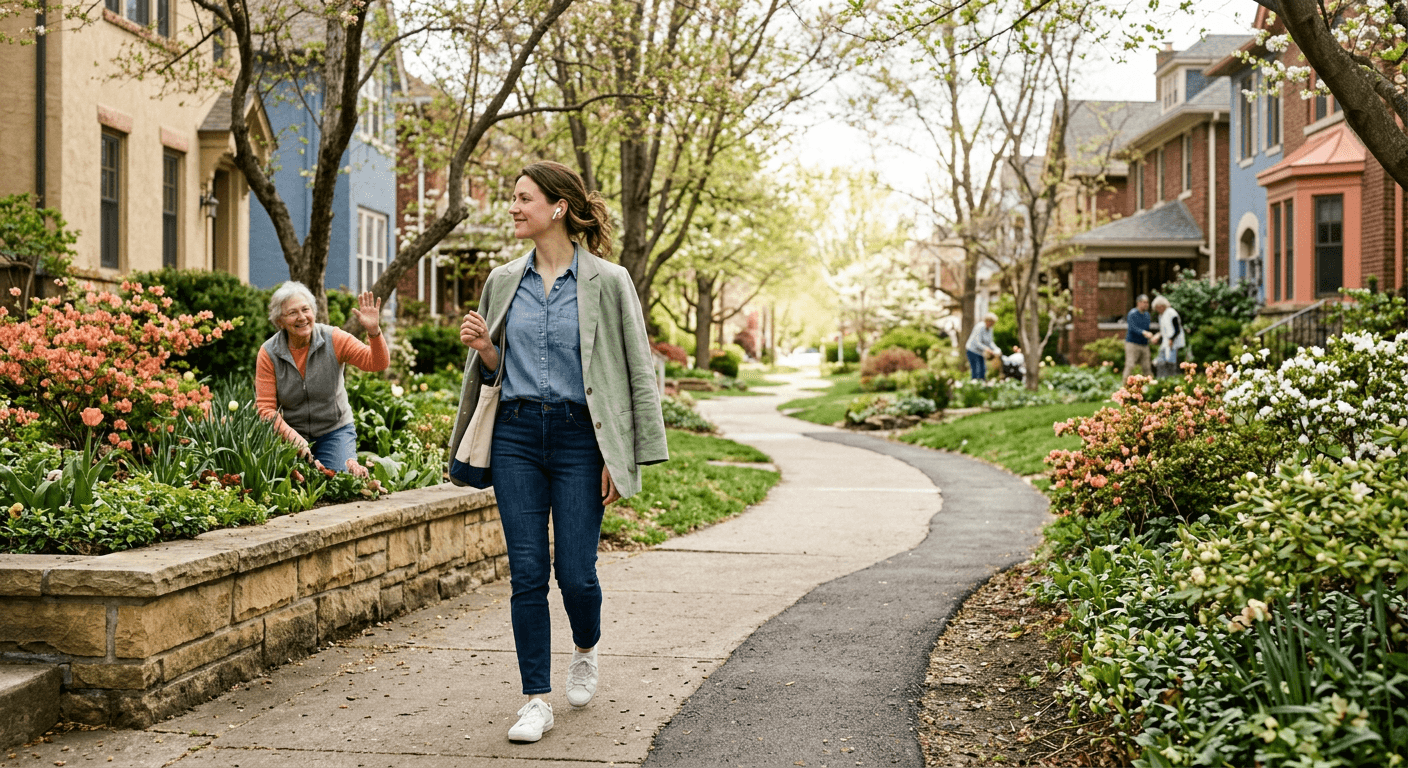
Grey divorce blends paradoxes: sadness for shared history yet excitement for freedom; guilt for hurting family yet relief from tension.
Grief Phase
Even the initiator often experiences acute loss. According to an APA review on late-life divorce adaptation, symptoms mirror bereavement insomnia, appetite shifts, and identity confusion lasting six to 18 months on average.
Adjustment Phase
Emotional healing stabilizes once individuals rebuild social connection. Harvard’s longevity data consistently identify quality relationships of any kind (friendship, community, romantic) as stronger predictors of health than marital status alone.
This aligns with the science of social fitness and how relationships strengthen health connection, not just coupledom, sustains well-being.
Growth Phase
Many post-50 divorcees later self-report higher life satisfaction than they felt during the final years of their marriages. Reasons include autonomy, rediscovered interests, and alignment of values.
Societal Ripple Effects
Impact on Family Systems
- Adult children: Surprisingly vulnerable. A 2020 APA study found that adult offspring often experience confusion and loyalty conflicts mirroring those of minors, albeit with added layers of estate and caregiving concerns.
- Grandparent Roles: New boundaries form around holidays, babysitting, or overlapping family events, requiring ongoing negotiation.
Financial Adjustments
Divorce at or near retirement poses economic risks: divided pensions, reduced Social Security benefits, duplicated living costs. The AARP Public Policy Institute warns women are disproportionately affected, as they typically have longer life expectancy and lower lifetime earnings.
Practical mitigation strategies include:
- Consulting certified financial planners early.
- Understanding survivor benefit rules within Social Security.
- Considering collaborative or mediated divorce options to limit legal expenses.
Housing and Community Shifts
Grey divorcees often downsize, relocate near family, or enter cohousing and “Golden Girls”–style arrangements. These trends are reshaping suburban demographics and midlife friendship networks creating what sociologists dub “chosen families of later adulthood.”
The Role of Technology and Modern Connection
Digital platforms now enable midlife dating, support groups, and virtual social circles. Pew data indicate adults age 55 and older are the fastest-growing group on dating apps. Online communities such as Reddit’s r/DivorceOver50 and AARP’s Connection Hub normalize open conversation about healing and hope.
Technology also improves post-divorce adaptation: video-chat contact with adult kids, telehealth counseling, and online financial tools help maintain stability during transition.

Regional and Cultural Dimensions
Grey divorce rates are highest in the Western U.S., per Pew’s demographic maps areas historically emphasizing individualism and progressive gender norms. The South shows slower growth in late-life divorce, aligning with stronger religiosity indices.
Among multicultural households, unique factors emerge: immigrant couples may experience acculturation gaps, while LGBTQ+ older adults newly able to marry in the 2010s are also redefining what late-life union or separation looks like.
Rethinking Happily Ever After
In the 1950s, “till death do us part” implied 30 years together. In 2024, it can mean five decades and counting. The extension of life expectancy forces reconsideration: should lifelong marriage last a lifetime by default, or only as long as it serves both individuals’ growth?
Psychologists warn against interpreting rising grey divorce solely as family decline. Instead, it can signal personal evolution, reflecting modern values of authenticity and emotional health.
As Dr. Susan Brown, co-director of Bowling Green State University’s National Center for Family & Marriage Research, phrases it: “Grey divorce is the intersection of demography and self-development.” It’s what happens when the life course outgrows the cultural script.
Support and Healing Resources
For readers navigating this transition:
- Professional Counseling: APA’s Psychologist Locator lists clinicians specializing in midlife transitions.
- Financial Planning: CFP Board registry offers Certified Financial Planner (CFP®) professionals focusing on divorce settlement.
- Community Groups: AARP’s “Life Reimagined” workshops and Meetup communities create social avenues for rediscovery.
- Mind-Body Health: Harvard’s research underscores that consistent exercise, meditation, and volunteering significantly improve post-divorce well-being.
Reflection Exercise: Re-Authoring the Next Chapter
- List three identities beyond “spouse” you’d like to cultivate artist, traveler, mentor, grandparent, entrepreneur.
- Note one friendship or community tie that energizes you.
- Define what “partnership” means for your next stage of life: companionship, cohabitation, independence?
Reframing life after 50 from loss to authorship can turn endings into redesigns.
Starting Over With Courage
Grey divorce is not a cultural failure but a mirror of changing human longevity, gender equality, and self-awareness. As Americans live longer, they also demand relationships that evolve with them.
Starting over at 50 or 60 combines challenge and freedom: recalculating finances, yes but also rediscovering agency, friendship, and joy. The conversation Linda and Mark once feared turned into two new storylines: she founded a community art studio; he volunteers coaching youth baseball. They still share laughs at family dinners proof that endings handled with respect can seed durable, healthier beginnings.
In an age of longer lives and higher expectations, grey divorce is less a symptom of collapse than a testament to courage the courage to seek growth, even after decades of familiarity.
This content is for educational purposes and does not substitute for professional psychological or therapeutic help.