

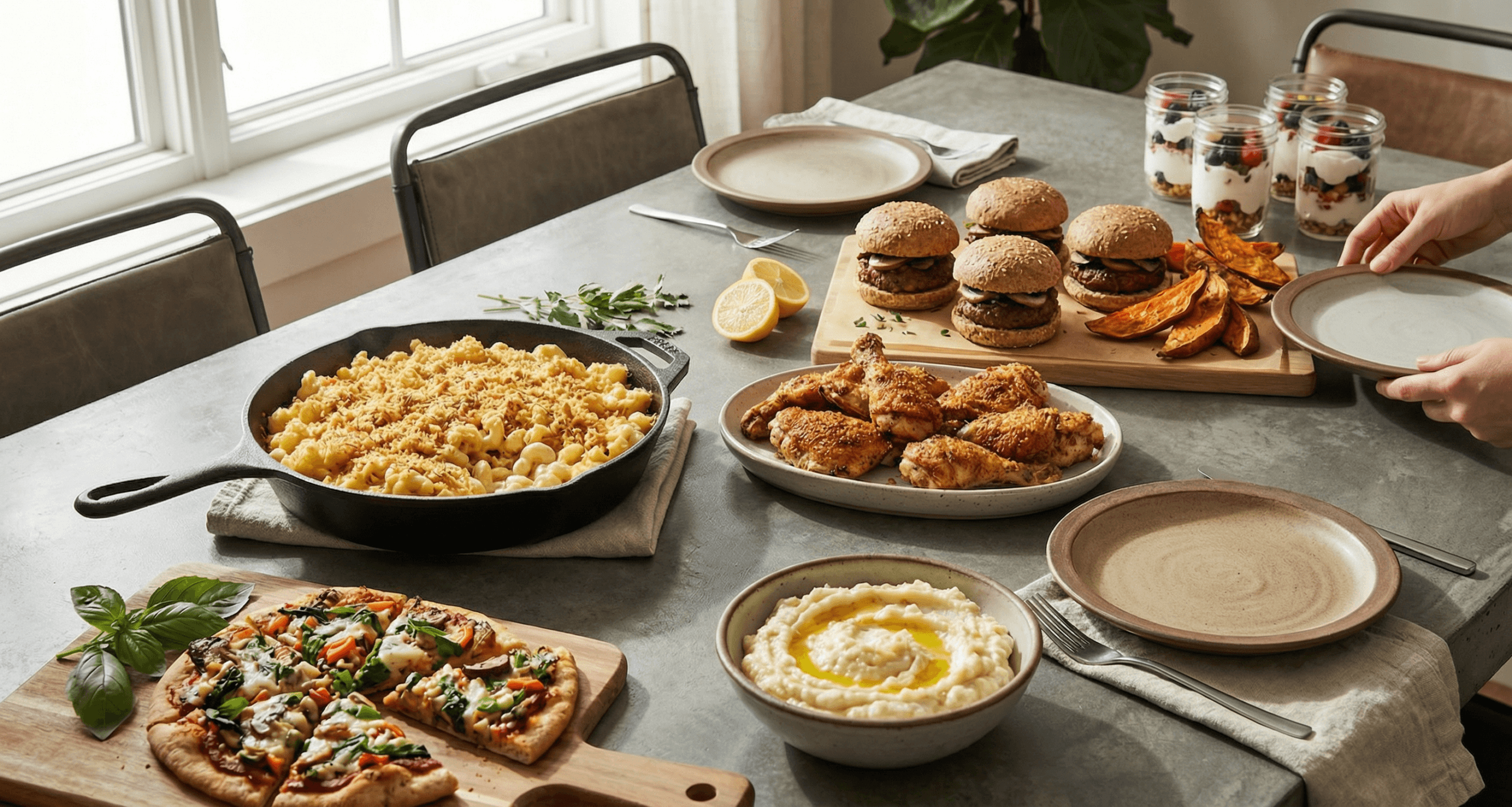
Smart Swaps: Healthier Favorites for American Comfort Foods
Comfort food and healthy eating don’t have to be opposites. From mac and cheese to fried chicken and pizza, classic American favorites carry warm memories. However, they often come loaded with sodium and refined fats. The goal isn’t to ban them it’s to upgrade them without losing the comfort.
Registered dietitians with the Academy of Nutrition and Dietetics (AND) recommend small, sustainable changes over extremes. Indeed, taste and culture matter as much as calories. Healthy swaps let you eat what you love, support heart health, and still recognize your plate.
Why Comfort Food Feels So Good
Comfort foods work on memory and biology. Eating something warm, salty, or creamy stimulates dopamine the same “reward” chemical that lifts mood. The American Psychological Association (APA) notes that stress often drives cravings for familiar foods because they signal safety and nostalgia.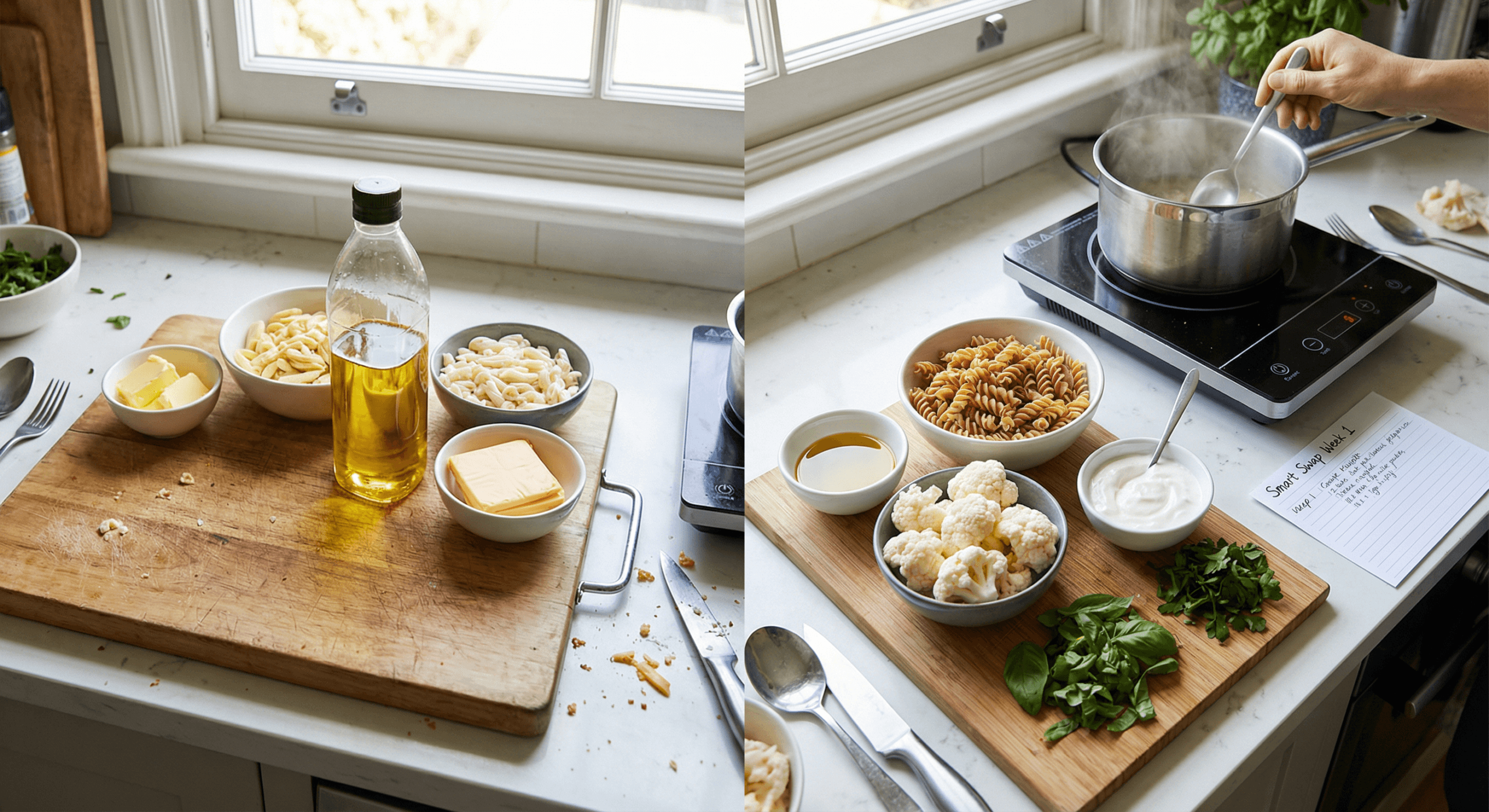
Research from the NIH shows that blood sugar swings after high-fat, high-sugar meals can also affect energy and emotion. Therefore, the goal is balance: keeping satisfaction without the stress or slumps. This approach mirrors the principles behind smart nutrition for working women balancing what you love with what your body needs.
Mac and Cheese → Creamy Mac with Cauliflower or Greek Yogurt
The AND suggests switching some dense ingredients for vegetables or protein boosts. Pureed cauliflower creates a silky texture with extra fiber. Meanwhile, nonfat Greek yogurt adds tang and protein with less saturated fat than cream or butter.
Quick recipe idea:
Bake whole-grain pasta with a sauce of 1 cup steamed cauliflower, ½ cup Greek yogurt, 1 cup reduced-fat cheddar, garlic, and paprika. Finish under the broiler for the crust everyone loves.
Why it works: You cut fat by roughly 30 percent and add about 4 grams of fiber per serving while keeping that comforting bite.
Fried Chicken → Crispy Oven-Baked Chicken
Crunch is the main reason fried foods feel satisfying. A coating of panko breadcrumbs or crushed whole-grain cereal, baked on a rack, creates texture without deep oil. The U.S. Department of Agriculture’s MyPlate Guidelines recommend limiting solid fats that raise LDL cholesterol.
How to swap:
- Marinate chicken in buttermilk or unsweetened yogurt overnight for tenderness.
- Coat with seasoned crumbs (and a tablespoon of oil sprayed lightly).
- Bake at 400°F (204°C) on a wire rack for air circulation and even crisp.
Result: 75 percent less fat and still a hand-crunchable coating. Moreover, this technique preserves the satisfying texture that makes fried chicken a favorite.
Burgers → Better Patties and Smarter Sides
Red meat in moderation can fit a healthy pattern. However, frequency matters. The American Heart Association (AHA) recommends limiting saturated fat to less than 10 percent of daily calories. Swap half the meat for mushrooms or beans to add fiber and umami.
Plus try: whole-grain buns, avocado instead of mayo, and a side salad or roasted sweet potatoes instead of fries. Sweet potatoes deliver vitamin A and antioxidants with one-third the sodium.
Pizza → Veggie-Loaded Flatbread
Homemade flatbread pizza cuts refined carbs and grease without you feeling deprived. Use whole-wheat pita or tortilla as a crust, spread crushed tomatoes, and top with fresh vegetables and part-skim mozzarella.
The Harvard T.H. Chan School of Public Health recommends vegetables cover half of most meals for fiber and phytonutrients linked to heart and gut health.
Bake at 425°F for 8–10 minutes and slice with a salad on the side. Consequently, you gain color, crispness, and comfort without heavy oil.
Mashed Potatoes → Garlic Mash with Cauliflower or Olive Oil
Potatoes aren’t villains they’re potassium-rich. Nevertheless, the sour-cream-and-butter ratio can spike calories. Mix half potatoes with steamed cauliflower and use olive oil plus a splash of milk for creaminess.
The Academy of Nutrition and Dietetics notes that unsaturated fats like olive oil benefit heart and brain function. Season boldly with roasted garlic and pepper flavor is satisfaction’s best stand-in for fat.
Dessert → Sweet Balance, Not Sugar Fear
The American Diabetes Association and USDA both advise limiting added sugars to less than 10 percent of daily calories. That doesn’t mean ending desserts just making them smarter.
Try Greek yogurt parfaits sweetened with fruit, dark-chocolate dips instead of frosting, or baked pears with cinnamon instead of pie crust. You’ll get fiber and antioxidants with familiar comfort. Similarly, choosing smart snacks throughout the day helps maintain steady energy without sugar crashes.

For bakers, swap half the white flour for whole-wheat pastry flour and use unsweetened applesauce for half the oil adjust liquid to keep texture moist.
Upgrade Flavor Without Extra Salt
Taste buds adapt. Within two to three weeks of reducing sodium, foods begin tasting naturally flavorful again. The CDC suggests using herbs, vinegar, and spices instead.
Try cajun blend for heat or citrus for brightness. Consequently, you’ll net a typical 1,000 mg less sodium per day without measuring a thing. This habit supports the same cardiovascular wellness discussed in blood pressure management.
Mindful Comfort: Savor the Experience
Slow eating can increase satisfaction and help with portion control. An NIH-supported study found that people who ate mindfully reduced total calories naturally without diet rules.
Pause for three breaths before your first bite. Notice texture and temperature. Stop at comfortable fullness rather than clean-plate autopilot. These micro-moments of calm transform eating from rushed routine to nourishing ritual.
Real comfort comes from nourishment and connection—not just portion size.
Closing Insight: Tradition Meets Progress
Healthy eating isn’t about erasing culture or childhood favorites it’s about evolution. Swapping ingredients within beloved recipes preserves their story while protecting your heart and energy.
Start with one swap a week and taste the difference between restriction and renewal. Comfort food can still comfort you and your body too.
Takeaway
Small changes make traditional American meals lighter and more nutrient-dense without sacrifice. Experts from the Academy of Nutrition and Dietetics, USDA, and AHA recommend moderation, portion awareness, and creative ingredient replacement to improve heart health and well-being.
This content is for educational purposes and does not substitute for professional psychological or therapeutic help.