

Conflict Patterns in Marriage
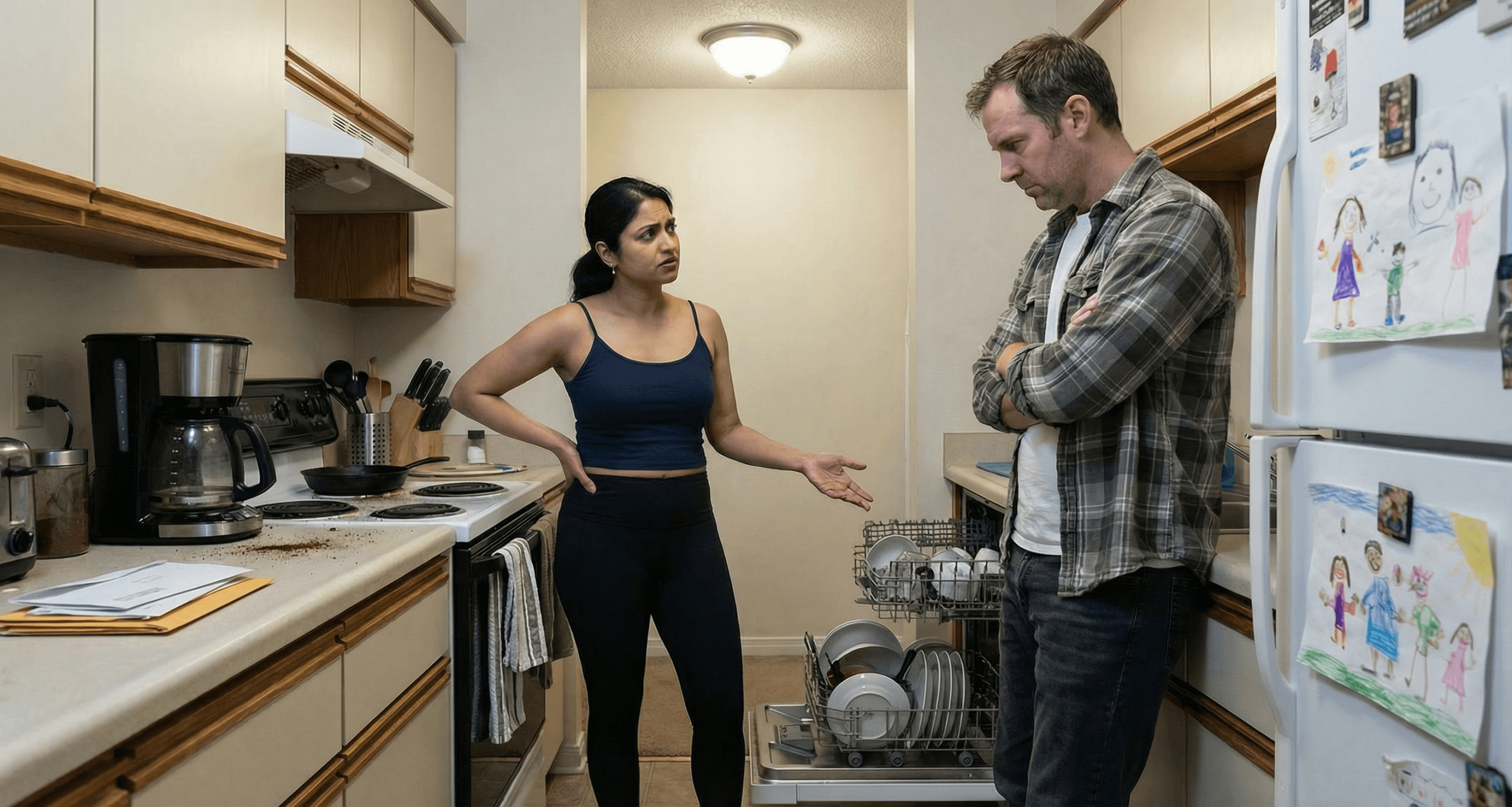
The argument had started about the dishwasher. Somewhere between loading strategies and who forgot to run the cycle, it had become about everything who cares more, who always lets things slide, who never listens. By the time they retreated to separate rooms, neither could quite remember how dirty dishes had escalated into questioning the entire relationship. Understanding healthy conflict patterns in marriage can help you recognize when disagreements are normal versus when they signal deeper issues.
If this sounds familiar, you’re not alone. Most married couples experience moments when ordinary disagreements spiral into something that feels disproportionate and exhausting. The question that often follows isn’t whether you should fight less it’s whether the way you fight suggests something healthy or concerning about your relationship. Recognizing healthy conflict patterns in marriage helps you assess your relationship dynamics with clarity.
Research on relationship dynamics suggests that conflict itself isn’t the problem. What matters is the pattern: how disagreements unfold, how they end, and what happens in the hours and days that follow.
Couples Fight: That’s Not the Problem
One of the most persistent myths about healthy relationships is that happy couples rarely argue. In reality, research from The Gottman Institute which has studied couples for over four decades indicates that conflict frequency alone doesn’t predict relationship satisfaction or stability. According to research from the Gottman Institute on relationship success, some couples bicker frequently and remain deeply connected. Others rarely raise their voices yet harbor growing resentment.
The distinction lies in what researchers call conflict patterns versus conflict topics. Topics are the surface issues: money, parenting decisions, household responsibilities, in-laws. Patterns are the underlying dynamics: whether partners maintain respect during disagreement, whether they repair ruptures afterward, whether arguments leave them feeling closer or more distant.
Interestingly, couples who never fight aren’t necessarily healthier than those who argue regularly. Conflict avoidance can breed its own problems unexpressed needs, accumulated resentment, emotional distance. Disagreement, when handled with mutual respect, actually provides opportunities for deeper understanding and relationship growth. This connects to broader themes discussed in couple communication that heals and connects.
Throughout this article, terms like “healthy” and “unhealthy” describe patterns that relationship research associates with relationship satisfaction and longevity. These aren’t diagnostic categories, and individual relationships vary. Only you and your partner can determine what feels right for your relationship and a qualified couples therapist can provide personalized assessment when needed.
Healthy Conflict Patterns
Healthy conflict patterns in marriage don’t mean calm, perfectly rational discussion. They mean disagreement that preserves the relationship’s foundation of respect, even when emotions run high.
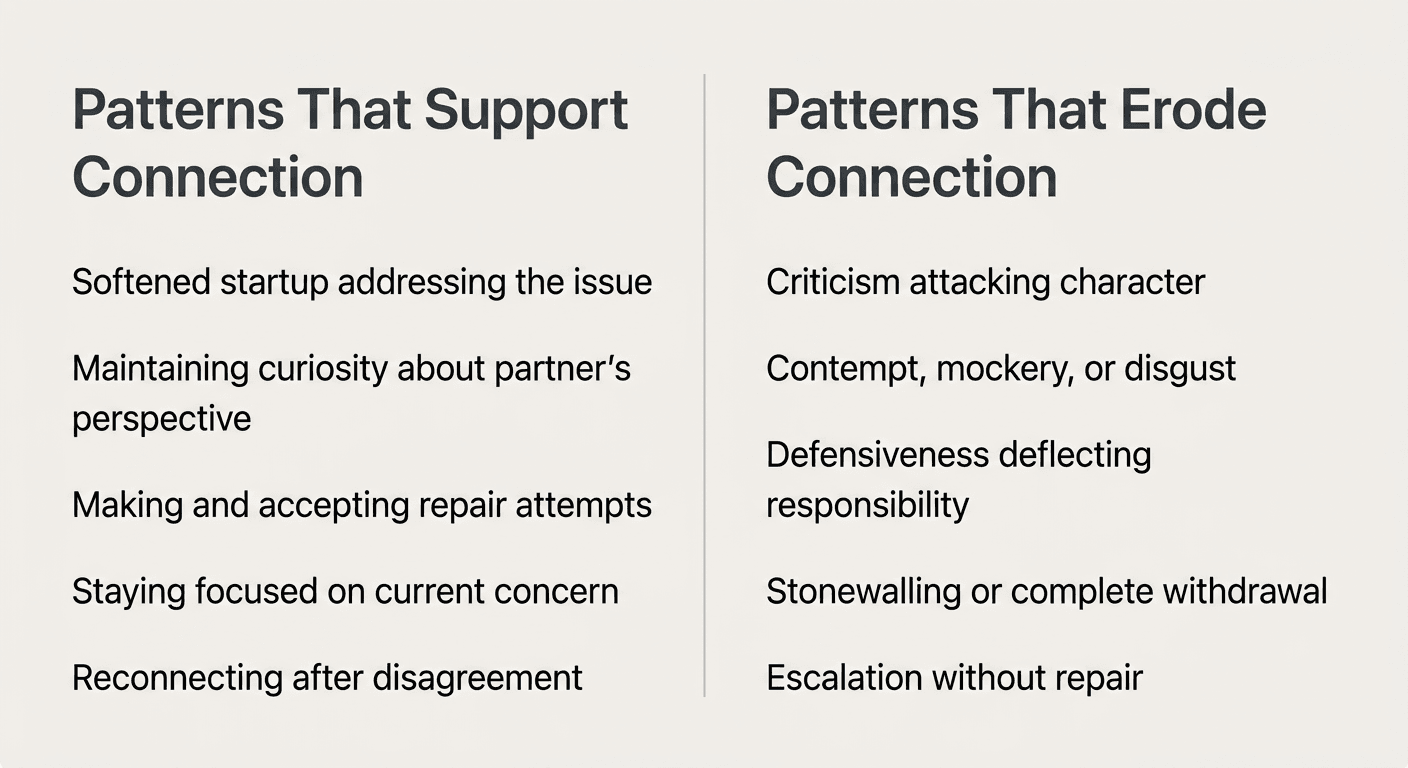
Disagreeing while maintaining respect and curiosity. In healthy conflict patterns in marriage, partners can oppose each other’s positions without attacking each other’s character. There’s room for genuine curiosity: “Help me understand why this matters so much to you.” The underlying assumption remains that both people have valid perspectives worth understanding.
Using softened startup rather than criticism. Research on relationship dynamics suggests that how a conversation begins often predicts how it will end. A “softened startup” addresses the issue without blame: “I felt overwhelmed when I came home to dishes in the sink” rather than “You never help around here.” This distinction speaking to the situation rather than the person’s character significantly affects whether partners become defensive or receptive. These patterns are explored further in emotional intelligence in relationships.
Making and accepting repair attempts. Perhaps the most important predictor of relationship health is the repair attempt: any action that de-escalates tension during conflict. This might be humor (“Can we pause? I think we’re both hangry”), physical touch, acknowledging the other’s point, or simply saying, “I’m sorry, that came out wrong.” In healthy conflict patterns in marriage, these bids for reconnection are noticed and accepted, even imperfectly.
Fighting about the issue, not attacking character. Healthy conflict stays relatively focused. Partners address the current disagreement rather than cataloging every past grievance or making sweeping statements about who the other person fundamentally is.
Unhealthy Conflict Patterns
The Gottman Institute’s research identified four communication patterns so corrosive to relationships that researchers called them “The Four Horsemen”: criticism, contempt, defensiveness, and stonewalling.
Criticism goes beyond complaint to attack personality or character: “You’re so selfish” rather than “I felt hurt when you made plans without asking.” Contempt eye-rolling, mockery, name-calling, hostile sarcasm communicates disgust and superiority. Research suggests contempt is the single strongest predictor of relationship dissolution. Defensiveness deflects responsibility rather than acknowledging any validity in a partner’s concern. Stonewalling involves withdrawing entirely refusing to engage, physically leaving, or shutting down emotionally.
Beyond the Four Horsemen, other unhealthy conflict patterns in marriage include “kitchen-sinking” bringing up every accumulated grievance during a single argument and the demand-withdraw cycle, where one partner pursues resolution while the other retreats, creating escalating frustration for both.
Perhaps most concerning is when conflicts escalate without repair. Arguments spiral, harsh things are said, and afterward there’s no reconnection just cold distance until both partners pretend it didn’t happen. Understanding emotional safety as the foundation of intimacy helps prevent these damaging patterns.
Conflict resolution and Relationship Health
What happens after the fight may matter more than the fight itself.
Effective repair involves genuine acknowledgment of hurt caused, taking responsibility without excessive self-flagellation, and making concrete efforts to reconnect. This doesn’t require perfect resolution of the underlying issue research suggests roughly 69% of marital conflicts are “perpetual problems” that couples manage rather than solve. What matters is that both partners feel heard and that the relationship’s foundation remains intact.
When repair attempts are consistently rejected or ignored, resentment accumulates. One partner extends an olive branch; the other brushes it aside or responds with continued coldness. Over time, this pattern can erode the emotional safety that allows vulnerability and connection.
Repair also involves what researcher John Gottman calls “emotional bids” small moments of reaching toward your partner. After conflict, healthy conflict patterns in marriage involve gradually rebuilding through ordinary gestures: asking about someone’s day, offering coffee, sharing something funny. These micro-connections signal that the relationship remains solid despite the disagreement.
Conflict Norms: Cultural and Individual Differences
Before assessing your own patterns, it’s worth acknowledging that healthy conflict patterns in marriage aren’t one-size-fits-all.
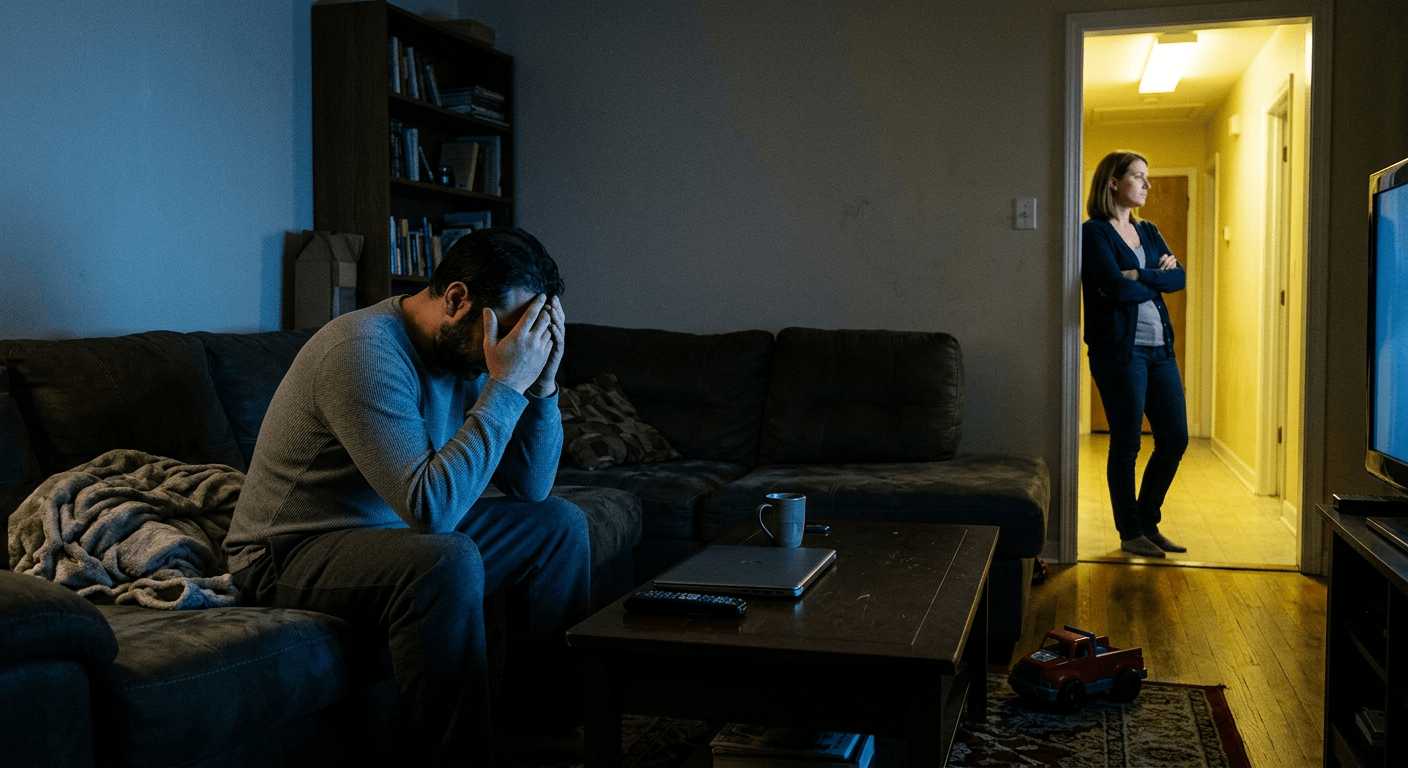
Family-of-origin shapes expectations profoundly. If you grew up in a household where disagreements were handled quietly and privately, a partner who raises their voice during arguments might feel alarming even if no harm is intended. If your family expressed conflict openly and resolved it quickly, a partner who needs hours of processing time might feel like they’re punishing you with silence.
Cultural variations in directness, volume, and emotional expression also matter. Research on relationship dynamics reflects certain cultural norms often Western, often middle-class that don’t universally apply. What looks like “unhealthy escalation” in one cultural context may be ordinary passionate discussion in another.
Personality differences add another layer. Some people process emotions externally and want to talk things through immediately. Others need solitude to organize their thoughts before productive conversation is possible. Neither style is inherently healthier, but mismatched styles can create “meta-conflict” fighting about how you fight. Understanding building emotional regulation skills daily can help partners manage different processing styles.
The key question isn’t whether your conflict style matches some universal ideal. It’s whether both partners feel respected, safe, and ultimately able to reconnect.
Red Flags That May Indicate Professional Support Would Help
Certain patterns suggest that couples therapy or professional guidance could provide valuable support:
When contempt has become regular. Occasional frustration is human. Ongoing mockery, eye-rolling, or expressions of disgust indicate eroded respect that’s difficult to rebuild without intervention.
When one or both partners feel afraid. Fear during conflict of physical harm, explosive anger, or severe emotional retaliation signals a dynamic that extends beyond poor conflict skills.
When conflicts involve threats. Threatening divorce, threatening to leave, or threatening harm during arguments creates instability that undermines relationship security.
When you’ve stopped trying. Some couples reach a point of hopelessness where neither attempts repair or resolution because it feels pointless. This emotional disengagement can be harder to recover from than active conflict.
When children are exposed to harmful conflict. Research consistently shows that parental conflict affects children’s wellbeing and development. If your arguments regularly occur within children’s earshot, involve them directly, or leave the household feeling tense and unsafe, addressing unhealthy conflict patterns in marriage becomes more urgent.
For guidance on seeking support, see when to seek professional support for anxiety and therapy cost comparison.
Distinguishing Unhealthy Conflict from Abuse
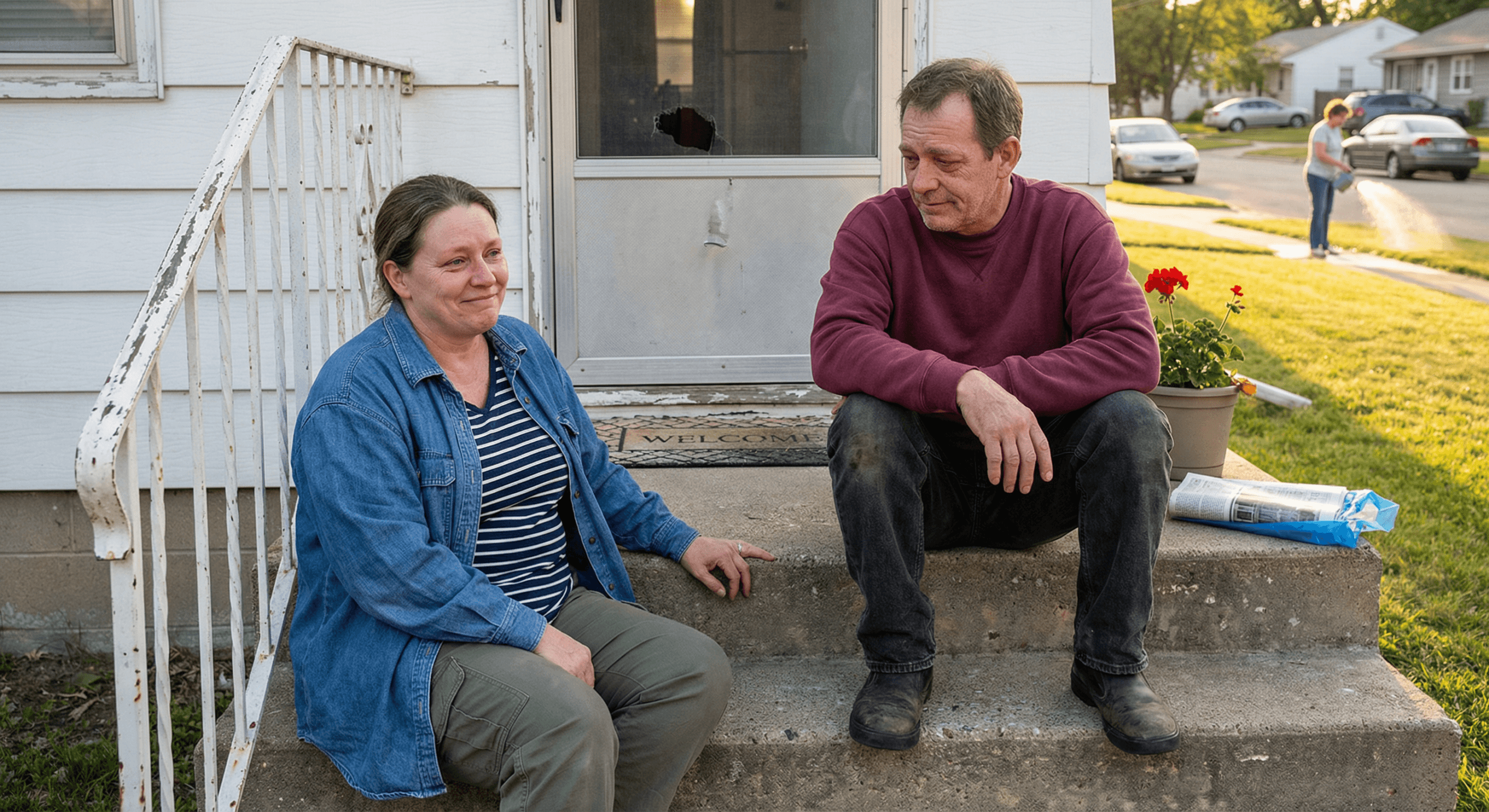
This distinction matters enormously: unhealthy conflict patterns in marriage can often be changed through skill-building and couples therapy. Abuse cannot be addressed through conflict resolution it requires safety planning, individual support, and often separation.
Patterns that cross the line include physical violence or threats, controlling behavior (monitoring movements, isolating from friends and family, controlling finances), intimidation, and creating an atmosphere of fear. In abusive dynamics, conflict isn’t about two people struggling to communicate it’s about one person maintaining power over another.
Couples therapy is not recommended when abuse is present. It can increase danger by providing an abuser with ammunition and creating an illusion of working on the relationship.
If your relationship involves physical violence, threats, control, or fear, please contact domestic violence resources. The National Domestic Violence Hotline is available 24/7 at 1-800-799-7233.
How to Shift Toward Healthier Conflict Patterns
Change begins with honest self-assessment examining your own contributions rather than cataloging your partner’s failures. This isn’t about blame. Conflict patterns are relational, created by both people. But you can only change your own behavior.
Consider having a “meta-conversation” talking about how you talk. Outside of active conflict, when both partners are calm, you might say: “I’ve noticed our arguments sometimes escalate in ways that don’t feel good to either of us. Can we think together about what’s happening?” This conversation works best when framed as collaborative problem-solving rather than criticism.
Learning and practicing repair skills takes intention. This might mean agreeing on a signal that either partner can use when conversations are escalating. Or committing to taking breaks before saying something hurtful and actually returning to the conversation afterward.
When patterns feel entrenched, couples therapy can provide structured support. According to the American Psychological Association, couples therapy demonstrates moderate to strong effectiveness for relationship distress when both partners are engaged. A trained therapist helps identify cycles you can’t see from inside them and provides tools tailored to your specific dynamics.
Evidence-based approaches include the Gottman Method, Emotionally Focused Therapy (EFT), and Imago Relationship Therapy. Books like The Seven Principles for Making Marriage Work by John Gottman or Hold Me Tight by Sue Johnson offer accessible introductions to these frameworks. For additional reading, see our attachment theory book comparison.
Takeaway
Conflict in marriage isn’t a sign of failure it’s inevitable when two people build a life together. What matters isn’t whether you argue, but how: whether disagreements preserve respect, whether repair happens afterward, whether you feel like partners or adversaries. Recognizing unhealthy patterns is the first step. Patterns that developed over years can shift when both partners examine their contributions and try new approaches. Professional support often accelerates this process. The goal isn’t a conflict-free marriage it’s conflict that brings you closer rather than pushing you apart.
This content is for educational purposes and does not substitute for professional psychological or therapeutic help.