


What I Learned From Finally Setting Boundaries With My Mother
Setting boundaries with my mother started with the smallest act: I was thirty-four years old the first time I told her I couldn’t talk right then and would call her back later. It sounds absurdly simple the kind of thing most people do without thinking. When I said it, though, my hands were shaking. My stomach clenched, and the silence on the other end of the line felt like an accusation I couldn’t quite name.
She called back three times in the next hour. I didn’t answer. Instead, I sat on my couch staring at my phone, feeling like the worst daughter in the world for doing something that, objectively, was completely reasonable.
That small moment of setting boundaries with my mother saying no to an immediate conversation was the beginning of years of work I didn’t know I needed to do. This journey would involve therapy, grief I wasn’t prepared for, relationships that would shift in ways I couldn’t predict, and learning that protecting myself didn’t make me a bad person. It just made me someone who was finally trying to survive our relationship intact.
Why Setting Boundaries With My Mother Felt Impossible for So Long
For most of my adult life, anytime I felt frustrated, hurt, or exhausted by my mother, I immediately shut the feeling down with some version of “She’s your mother. She loves you. Stop being ungrateful.” She wasn’t physically abusive, She didn’t abandon me and She provided for me. By those measures the ones I’d internalized as the only ones that mattered I had no right to complain.
When she called multiple times a day and became upset if I didn’t answer, I told myself she just cared, when she criticized my life choices my career, my partner, how I decorated my apartment I told myself she was trying to help and when she shared intimate details of my life with extended family despite my asking her not to, I told myself I was being oversensitive about privacy.
The guilt was so pervasive that I couldn’t even acknowledge my own feelings without immediately dismissing them as evidence of my own failing as a daughter. The very idea of setting boundaries with my mother felt like a betrayal of everything I’d been taught about family loyalty.
I spent years operating from the belief that if I could just find the right way to communicate, if I could just be patient enough or loving enough or successful enough, she would finally see me clearly. First, I tried being more available. Then I tried being less available. Next, I tried sharing more about my life. Later, I tried sharing less. At one point, I tried firm honesty. Eventually, I tried gentle deflection.
Every approach failed in the same basic way: she responded to what she needed me to be, not to who I actually was.
Nevertheless, I kept trying, because accepting that she might not change meant accepting something far more painful that the mother I wanted, the one who could see me and respect my autonomy, might not be someone she was capable of being. The thought of setting boundaries with my mother seemed impossible when I couldn’t even admit I needed them.
Anytime I considered protecting myself, I’d immediately question whether I was making too big a deal of things. Maybe everyone’s mother was like this. Perhaps I was just particularly sensitive or difficult. It’s possible the problem was actually me my expectations were too high, my capacity for patience too low, my need for space selfish.
I was terrified of becoming the villain in our story. The thought of being the ungrateful daughter who hurt her mother paralyzed me completely. I couldn’t tell the difference between protecting myself and being mean, so I erred on the side of enduring whatever she needed from me rather than setting boundaries with my mother.
I grew up with explicit messages about honoring your mother, about family loyalty, about the debt children owe their parents. These weren’t just abstract values they were woven into every family gathering, every conversation about how things should be.
The concept of setting boundaries with my mother felt like violating something sacred. It felt like choosing myself over family, which I’d been taught was the ultimate selfishness. Even thinking about it triggered shame that felt almost physical.
The Moment I Realized Setting Boundaries With My Mother Had to Happen
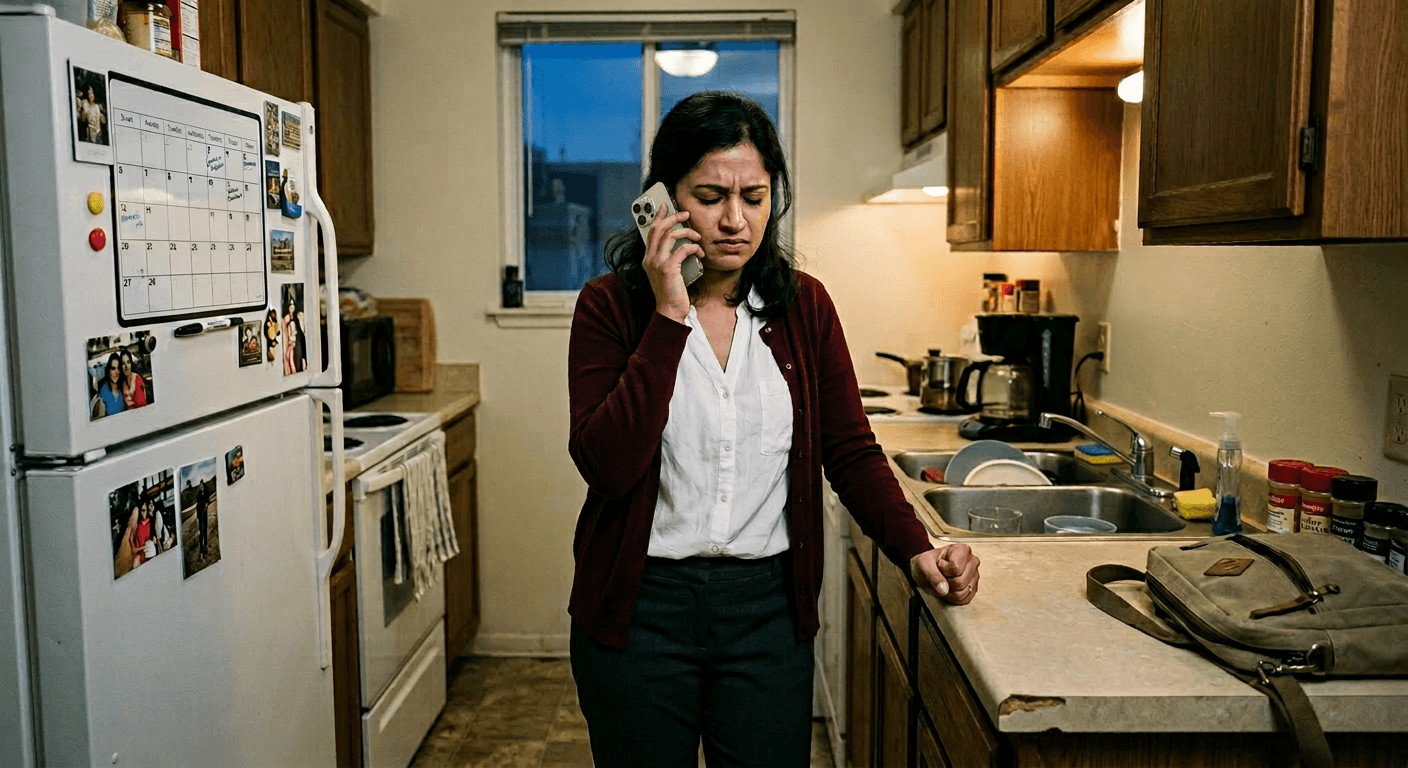
The breaking point came on what should have been a celebratory day. I’d gotten a significant promotion at work something I’d worked toward for years. I called to share the news, hoping for once she’d just be happy for me without qualification.
She started the conversation with “That’s wonderful, honey,” and I felt a brief moment of relief. Then she continued: “Of course, it means you’ll be working even more hours, and I worry about your health. And with those kinds of responsibilities, you really should think about settling down you’re not getting any younger, and this job will make dating even harder. Does this mean you’ll have to move? Because I was just telling Aunt Linda…”
She kept talking, spinning my news into her anxieties, her opinions about my life, her conversations with relatives. I stood in my kitchen holding the phone, feeling something shift inside me. Not dramatic. Not sudden enlightenment. Just a quiet, clear thought: I can’t keep doing this. In that moment, setting boundaries with my mother stopped being theoretical.
I’d been in therapy for about a year at that point, originally for what I thought was generalized anxiety. As we dug deeper, however, my therapist kept gently circling back to my family relationships.
I was having anxiety attacks before family gatherings. Additionally, I couldn’t sleep the night before visits. After phone calls with her, I felt depleted in a way that took hours to shake off. Moreover, I’d developed a pattern of oversharing and immediately regretting it, then withdrawing completely, then feeling guilty for withdrawing and overcompensating by being overly available again.
My therapist used the word “enmeshment” at some point, and when I looked it up later, I sat at my computer crying. The description felt like reading my own life story it was baffling how accurately it captured my experience. Understanding emotional regulation skills helped me recognize how much energy I was spending managing her emotions instead of my own.
What really terrified me was realizing I was recreating dynamics from my relationship with her in my friendships and romantic relationships. I couldn’t say no without elaborate justification. Furthermore, I felt responsible for other people’s emotions and took on their problems as my own.
I attracted people who wanted me to be endlessly available and became resentful when I inevitably couldn’t be, I was teaching people that my needs didn’t matter by not having any limits, and I’d learned that lesson first from her. Setting boundaries with my mother, I realized, was connected to setting boundaries everywhere.
My therapist didn’t tell me what to do. Instead, she asked questions I’d never asked myself: “What do you want from that conversation? How do you feel after you spend time with her? What would it mean to protect yourself in that situation?”
She helped me see that love and harm could coexist, showed me that I could love my mother and need distance from her, taught me that honoring myself wasn’t dishonoring her, reminded me that I wasn’t responsible for managing her emotions or making her happy at the expense of my own wellbeing.
It took months of therapy before I could even conceptualize what setting boundaries with my mother might look like. Months more before I could actually implement anything. Learning about emotional safety in relationships helped me understand what healthy dynamics could look like.
What Setting Boundaries With My Mother Actually Looked Like in Practice
The first real boundary I set was about phone calls. She had a pattern of calling multiple times a day, often at inconvenient times, and becoming hurt if I didn’t answer or couldn’t talk long.
After practicing with my therapist, I finally told her: “Mom, I love you, but I can’t be available for calls during my workday. I’ll call you back in the evening when I have time to actually talk.”
Her immediate response: “Oh! I didn’t realize I was such a burden on your important schedule, I’ll just wait until you have time for your mother.”

I tried to explain that it wasn’t about her being a burden. However, she cut me off: “No, no, I understand. You’re busy. I won’t bother you anymore.” Then she didn’t call for a week, and when I called her, she was cold and said she was “just giving me the space I clearly needed.”
I almost gave up after that first attempt at setting boundaries with my mother. The experience felt cruel like I’d hurt her for no good reason. My whole body was screaming at me that I’d done something terrible by setting boundaries with my mother this way.
One of the hardest lessons about setting boundaries with my mother was that I couldn’t make her understand or approve of my limits. I kept trying to explain them in ways that would make her see they were reasonable. Every explanation, however, became ammunition for her to argue why I was wrong.
“I can’t talk right now, I’m working” became “Well, you could take five minutes for your mother.” Meanwhile, “I need some time to myself this weekend” became “I guess I’m not as important as whatever you’re doing.” Every reason I gave her turned into a negotiation, making setting boundaries with my mother feel impossible.
I eventually learned through many failed attempts that boundaries work better as statements than explanations. “I’m not available to talk right now. I’ll call you back later.” Not “I’m not available because I’m doing X, Y, and Z, and I’m sorry, but…” Just the limit, delivered calmly, without justification.
This approach to setting boundaries with my mother felt brutal at first. It felt cold and withholding. It was the only way my boundaries actually held, though.
Over time, I developed a structure for our relationship that protected my mental health while still maintaining contact. First, I stopped answering every call immediately. Then, I set specific times when I’d be available to talk usually a couple of scheduled calls per week rather than daily unpredictable contact.
I limited visit duration and frequency. Rather than lengthy, exhausting visits where she’d stay at my house, we met for shorter periods in neutral locations. Additionally, I stopped responding to guilt-tripping texts. If she sent messages designed to provoke guilt or anxiety, I either didn’t respond or responded blandly to the factual content while ignoring the emotional manipulation.
The process of setting boundaries with my mother meant I stopped telling her certain things about my life my relationship struggles, my work stress, my health concerns. She’d either weaponize them in future arguments or share them with people I didn’t want knowing.
This was one of the most painful adjustments in setting boundaries with my mother. I’d always imagined having a mother I could tell everything, who I could turn to for support during difficult times. Accepting that she wasn’t that person meant grieving the relationship I’d wanted.
I stopped sharing when I was struggling because she’d either minimize my feelings (“It’s not that bad, at least you have…”), make it about herself (“This is so stressful for me to hear”), or use the information against me later (“Well, you were struggling with anxiety then, so maybe your judgment…”).
Similarly, I stopped sharing good news because she’d find ways to diminish it or attach criticism or concern. Setting boundaries with my mother required protecting not just my time, but my emotional vulnerability.
I learned to keep our conversations relatively surface-level: weather, general life updates, safe topics. It felt lonely like I was maintaining a relationship with a version of her I’d created for public consumption rather than the real, full person. The alternative continuing to offer her access to vulnerable parts of myself that she couldn’t hold with care was more painful, though.
She tested every boundary. Repeatedly, she’d agree to something and then act as though we’d never discussed it. Frequently, she’d claim not to remember conversations where I’d stated limits. Consistently, she’d find loopholes if I said I wasn’t available during work hours, she’d text instead of calling, then be upset I didn’t respond immediately.
I learned that setting boundaries with my mother isn’t maintained through one conversation. Boundaries are maintained through consistent follow-through. When she violated a limit, I had to enforce the consequence I’d stated: ending the call, leaving the visit, not responding to manipulative messages.
This required becoming comfortable with her being upset with me, which might have been the hardest part of setting boundaries with my mother.
The Emotional Aftermath of Setting Boundaries With My Mother
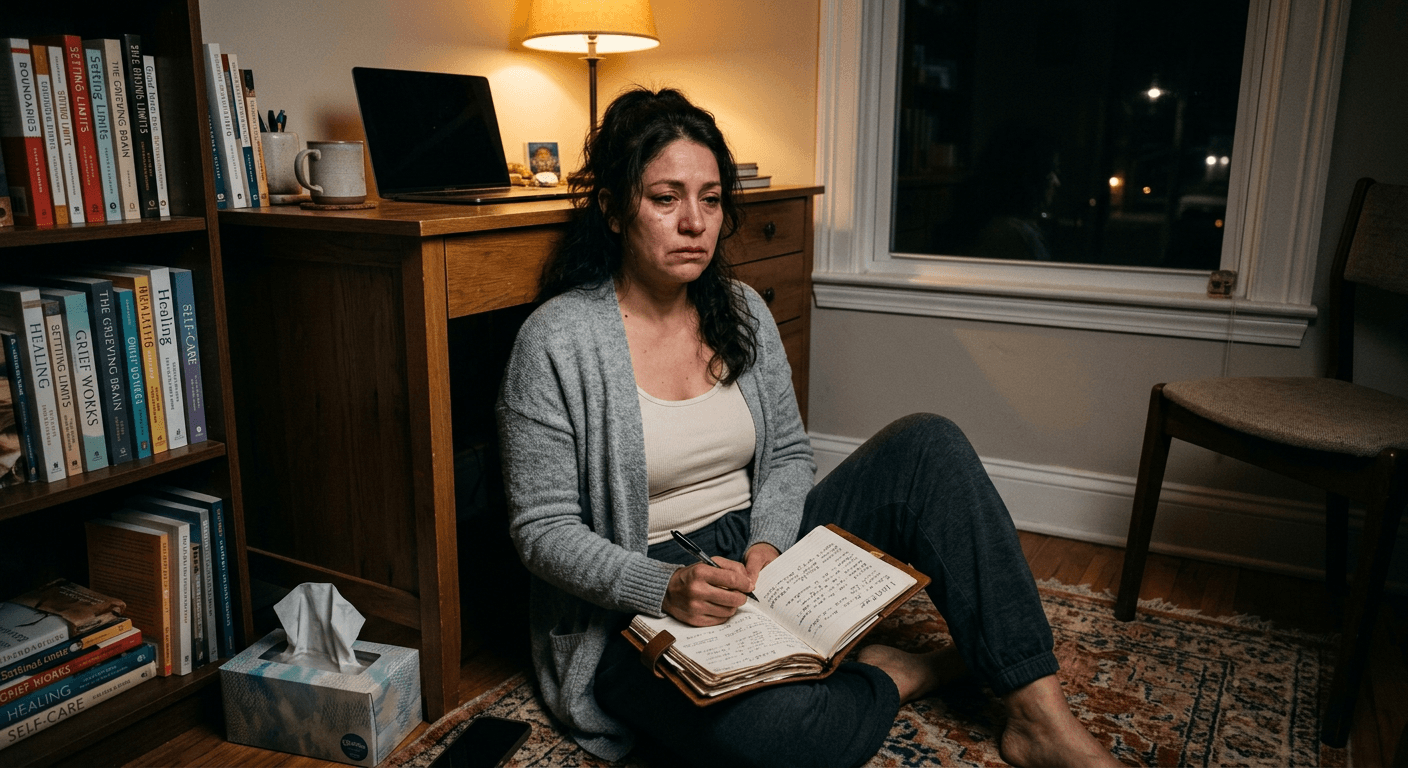
Setting boundaries with my mother meant accepting, in a way I never had before, that she is who she is. Not who I wish she were. Not who she might become if I just found the right approach. Who she actually is, right now, with all her limitations.
I grieved the mother I’d always hoped would eventually see me, understand me, and respect my autonomy. Additionally, I grieved the relationship I’d imagined we might have someday. Most painfully, I grieved the version of her I’d kept alive through hope and denial.
This grief from setting boundaries with my mother was complicated because she’s still alive. I was mourning someone who was still very much present in my life, just not in the form I’d wanted her to be.
Even as my mental health improved with boundaries in place, the guilt persisted. I felt guilty every time I didn’t answer her call, when I kept visits sho, when I withheld information about my life and for having needs that conflicted with what she wanted from me.
I had to work hard in therapy and through a lot of journaling and self-reflection to separate reasonable guilt (which signals when we’ve genuinely harmed someone) from manufactured guilt (which is a tool of manipulation, whether intentional or not). Setting boundaries with my mother meant learning to distinguish between these two types.
Most of the guilt I felt wasn’t about actually hurting her. Instead, it was about not meeting her expectations, not performing the role of the endlessly available, endlessly accommodating daughter she wanted.
Once I started setting boundaries with my mother and had some distance from the constant emotional management our relationship had required, I started feeling anger I’d suppressed for years. I was angry that she’d never asked what I needed. I was angry that she’d made my life choices about her feelings.
Furthermore, I was angry that she’d shared private information I’d asked her to keep confidential. I was angry that she positioned herself as the victim whenever I tried to protect myself. I was angry that I’d spent so much of my life trying to be enough for someone who seemed determined to find me lacking.
This anger about setting boundaries with my mother felt dangerous and wrong. Good daughters aren’t supposed to be angry at their mothers. My therapist helped me understand that anger was information it was telling me that I’d been hurt, that my needs had been repeatedly violated, that I deserved better treatment than I’d been accepting.
There’s a particular kind of loneliness in setting boundaries with my mother and realizing she can’t be the person you turn to when life is hard. I’d watch friends call their mothers during crises and feel an ache of grief for something I’d never really had but had always hoped I might someday.
I had to build other support systems, learn to mother myself in ways she couldn, find other individuals in my life who could offer some of what I’d wanted from her mentorship, unconditional support, someone who was genuinely happy for my successes without qualification.
Alongside the grief and guilt and anger, there was also unexpected relief from setting boundaries with my mother. I had space to breathe, I wasn’t constantly bracing for criticism or invasion of my privacy and I could make decisions without immediately worrying about her reaction.
The relief felt almost guilty in itself like I should be sadder about creating distance. Mostly what I felt was lighter, though. Like I’d been carrying a weight I’d gotten so used to that I’d forgotten it was there until I finally set it down. Understanding how to define enough through self-compassion helped me accept that prioritizing my wellbeing wasn’t selfish.
How She Reacted to Me Setting Boundaries With My Mother
Her primary response to me setting boundaries with my mother was positioning herself as the victim of my cruelty. I was “shutting her out.” I was “too busy” for my own mother. She “didn’t know what she’d done wrong” but clearly I didn’t love her anymore.
She’d bring up everything she’d sacrificed for me as evidence of how ungrateful I was being, compare me to friends’ children who called their mothers every day and sigh heavily when we did talk and say things like “Well, I’m just glad you had time to fit me in.”
Learning to not engage with these manipulations while setting boundaries with my mother was like learning a new language. My instinct was to reassure, explain, defend myself. I learned that engaging just fed the dynamic, though. The healthier response was usually calm, bland acknowledgment: “I’m sorry you feel that way” without trying to fix her feelings or convince her I wasn’t the villain she’d decided I was.
She’d call my aunts and tell them I was being distant, she’d mention to my siblings that she “never hears from me anymore”, post cryptic things on social media about ungrateful children and how much mothers sacrifice.
Some family members bought her version of events completely and reached out to tell me I should be more understanding, that she just loved me, that I was hurting her. Others saw through it and offered quiet support. A few relatives I’d been close to distanced themselves, and that loss from setting boundaries with my mother was real and painful.
I had to make peace with the fact that I couldn’t control the narrative she told about our relationship or convince everyone that my decisions were reasonable. Some people would believe I was the problem. That had to be okay.
There were times usually after particularly bad conflicts where she’d seem to hear me about setting boundaries with my mother. She’d say she understood, that she’d try to respect my needs, that she didn’t want to lose me. For a week or two, she’d actually hold to it she wouldn’t call constantly, wouldn’t guilt-trip, would be respectful in our conversations.
Then, gradually, she’d slip back. A little extra call would come. A small guilt trip would emerge. Testing would begin to see if the boundary still held. When I enforced it, we’d be back to square one: me as the cruel daughter, her as the wounded mother.
I learned to not get my hopes up during the brief periods of respect. To recognize them as temporary rather than evidence that she was finally changing.
Perhaps the most important lesson about setting boundaries with my mother was this: I am not responsible for how she chooses to respond to my boundaries. I’m only responsible for establishing and maintaining them.
She can be hurt, angry, tell family members I’m cruel and can post sad things on social media. I can’t control any of that, and trying to set boundaries in ways that prevent her from having negative feelings is impossible. She’ll find a way to be hurt regardless.
What I can control is whether I answer the phone when I’ve said I’m not available. Whether I stay at a visit when she’s crossing lines. Whether I continue to offer her access to parts of my life she’s proven she can’t handle with care.
Her feelings are hers to manage. Mine are mine. That separation—as obvious as it sounds—was revolutionary for me in setting boundaries with my mother.
What Surprised Me About Setting Boundaries With My Mother
I intellectually understood that setting boundaries with my mother was the right thing before I actually did it. Knowing something is necessary doesn’t make it easy, though. Every boundary I set felt like I was doing something wrong.
My body reacted like I was in danger racing heart, nausea, anxiety. I had to talk myself through it every single time: “You’re allowed to protect yourself. This is reasonable. Her reaction is not your responsibility.” It took years before setting boundaries with my mother started feeling less like an act of violence and more like basic self-care.
One of the most surprising consequences was that learning to set boundaries with my mother taught me how to set them everywhere else. I started saying no to friends when I didn’t have capacity and advocating for myself at work.
I stopped over-functioning in my romantic relationship, trying to manage my partner’s emotions the way I’d always managed hers. My relationships became healthier across the board because I was finally showing up as someone with needs and limits rather than as an endlessly accommodating support system. Understanding healthy conflict patterns in relationships helped me apply these boundary-setting skills more broadly.
I was surprised by who understood my choice of setting boundaries with my mother and who didn’t. Some people I expected to support me told me I was being too hard on her. Meanwhile, some people I thought would judge me actually shared their own stories of difficult parent relationships and validated my experience.
I learned that you can’t always predict who will get it. Sometimes the people who can’t understand simply haven’t had to create these kinds of limits themselves yet or aren’t ready to acknowledge that they need to.
Learning to trust my own judgment about setting boundaries with my mother even when she and others told me I was wrong built confidence that transferred to other areas of my life. I started trusting my gut about situations and people, stopped second-guessing myself constantly and became more willing to make decisions that others might not understand or approve of because I’d already survived the disapproval that mattered most.
I’d feared that setting boundaries with my mother meant cutting her off completely, and the guilt about that possibility had kept me from setting any limits at all. What I discovered was that I could have a relationship with her just a different one than I’d had before.
We could talk on the phone. We could see each other. It just looked different: shorter, more structured, more protected, it wasn’t the close, warm relationship I’d always wanted, it was sustainable in a way our previous dynamic had never been, though. Setting boundaries with my mother created space for a relationship that didn’t destroy me.
What I Wish I’d Known Before Setting Boundaries With My Mother
I spent a lot of energy early on trying to get her to respect my boundaries explaining them, defending them, trying to make her understand why they were necessary. What I eventually learned is that setting boundaries with my mother is about what I do, not what I can make her do.
I can’t make her respect my need for space. However, I can choose not to answer the phone when she calls outside the times I’ve designated. I can’t make her stop guilt-tripping me. Nevertheless, I can choose to end conversations when she starts.
Setting boundaries with my mother is about my actions in response to her behavior, not about controlling her behavior itself.
I spent so much time over-explaining my limits to her, to family members, to friends. Trying to justify why I needed them, trying to prove they were reasonable. I wish I’d understood earlier that “this doesn’t work for me” is a complete sentence. That I didn’t need permission to protect myself or consensus that my decisions about setting boundaries with my mother were justified.
I kept hoping that if I just held my boundaries long enough, she would eventually accept them and we’d settle into a healthier relationship. That hasn’t fully happened. She still tests limits, she still guilt-trips also still positions herself as the victim of my cruelty.
The relationship has improved in the sense that I’m no longer being damaged by it, but she hasn’t fundamentally changed.
I had to make peace with that. The goal of setting boundaries with my mother wasn’t to fix her or fix our relationship. The goal was to protect myself while maintaining whatever contact was sustainable.
I naively thought I’d set boundaries once and then we’d move on. In reality, setting boundaries with my mother is ongoing work. She forgets (or pretends to forget). She finds new ways around old limits. Life circumstances change and boundaries need to be renegotiated.
I’m still doing this work, years later. It’s gotten easier, but it’s never done.
I couldn’t have done this alone, but I needed my therapist someone who specializes in family systems and trauma to help me process the grief and guilt, I needed friends who understood difficult family dynamics to validate my experience and I needed online communities of people with similar mother relationships who could remind me I wasn’t mistaken or cruel.
Building a support system separate from my family of origin was essential to being able to maintain my boundaries. Knowing when to seek professional support was crucial for my healing process of setting boundaries with my mother.
Not everyone has had to set boundaries with a parent. People with healthy, respectful parents often couldn’t understand why I needed distance from mine. They’d offer advice like “just talk to her” or “she’s your mother she means well.”
I had to accept that some people wouldn’t understand setting boundaries with my mother, and that their lack of understanding didn’t mean I was wrong. My responsibility was to my own wellbeing, not to making everyone understand my choices.
The Hardest Parts of Setting Boundaries With My Mother (That I’m Still Working Through)
Holidays are still complicated. She expects extended visits and gets hurt when I limit time together. Family gatherings where she plays the martyr in front of relatives who don’t know the full story are exhausting.
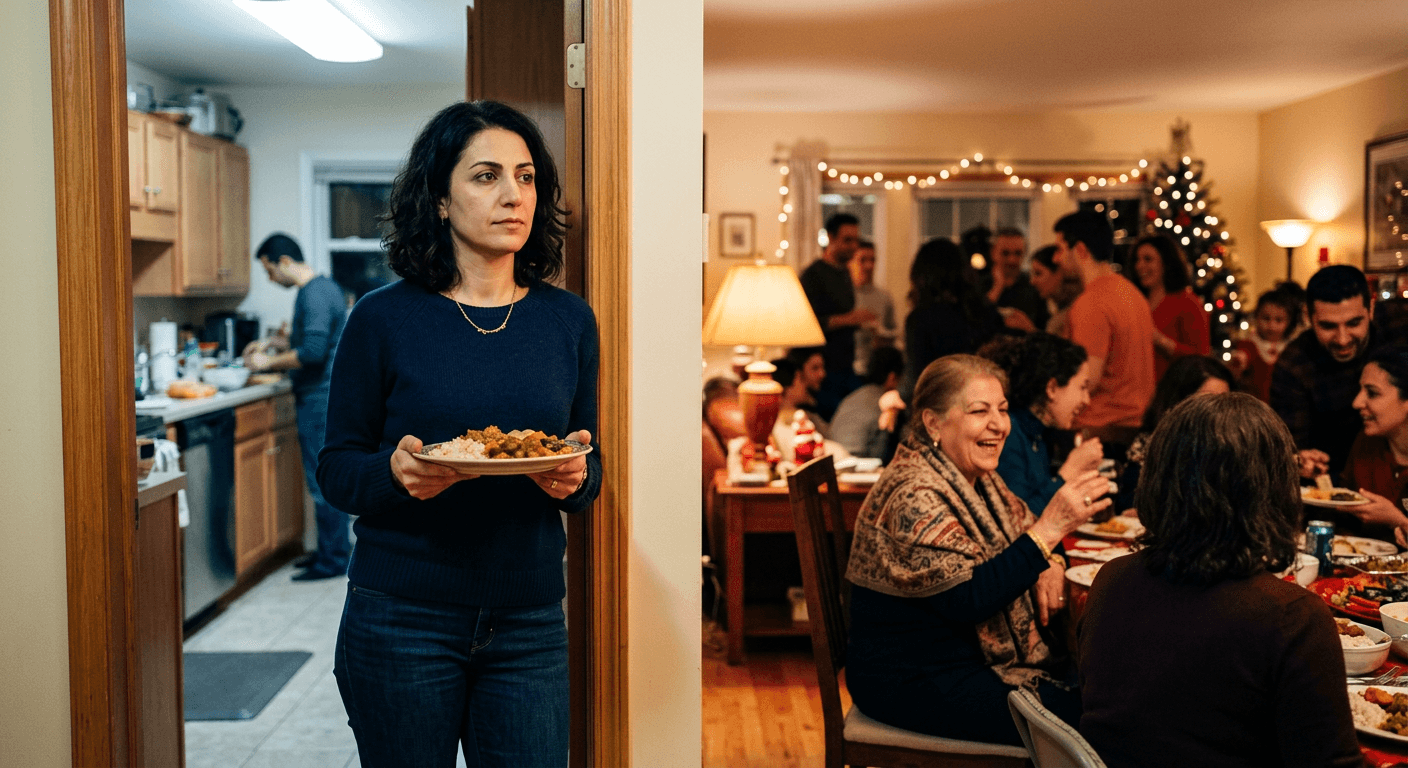
I’ve had to make hard choices about which events I’ll attend and for how long, I’ve had to accept that my presence or absence will be talked about, interpreted, judged and I’ve learned to leave early when I need to, even when it causes drama. Setting boundaries with my mother extends to these family situations too.
The boundaries get harder when she’s actually struggling when she’s sick, when she’s facing legitimate hardship. My instinct is to drop everything and help, and she knows that and sometimes exaggerates need to pull me back in.
I’m still figuring out how to help when help is genuinely needed without completely abandoning the protections I’ve built. It’s an ongoing negotiation of setting boundaries with my mother even during difficult times.
Some relatives have distanced themselves because they believe her version of our relationship. Others try to mediate, which usually just means pressuring me to give in to keep the peace.
I’ve had to accept that protecting myself through setting boundaries with my mother might cost me some extended family relationships. That loss is real, and I still grieve it.
There are still days when I question everything about setting boundaries with my mother. When I wonder if I’m being too harsh, too unforgiving, too sensitive. When I worry that I’m the difficult one, that I’m manufacturing problems, that I should just be grateful and accommodating.
My therapist reminds me to look at the evidence: How do I feel after interactions with her? Has my mental health improved with boundaries in place? Are my other relationships healthier when I have these skills?
The doubt about setting boundaries with my mother still comes, but I’m better at recognizing it and not letting it dismantle the protection I’ve built.
I still carry the internalized message that good children honor their parents, and that what I’m doing somehow violates that. I still hear her voice and voices of relatives, cultural messages, religious teachings telling me that I owe her unlimited access because she’s my mother.
Challenging those deeply embedded beliefs is ongoing work. Some days I’m confident in my choices about setting boundaries with my mother. Other days the guilt feels crushing. Practicing emotional agility helps me hold both truths that I love her and that I need to protect myself.
What’s Different Now After Setting Boundaries With My Mother

My anxiety has significantly decreased since I started setting boundaries with my mother. I sleep better now, I don’t have panic attacks before family events anymore, I have mental and emotional energy for my own life rather than exhausting myself managing her emotions.
The baseline stress I carried for years the constant vigilance about when she’d call, what she’d criticize, what boundary she’d cross has lifted.
<p>We talk a couple times a week now. We see each other a few times a year. We keep conversations relatively surface-level. She’s still the same person she’s always been, but I engage with her differently because of setting boundaries with my mother.
It’s not the warm, close relationship I once hoped for. It’s sustainable, though. It doesn’t destroy me. Some days, that feels like enough.
I’m conscious in ways she wasn’t about respecting my children’s autonomy, their privacy, their right to have needs that differ from mine. I’m trying to teach them that their boundaries matter, that they’re allowed to protect themselves, that love doesn’t require self-annihilation.
Breaking the cycle not perfectly, but intentionally feels like one of the most important outcomes of setting boundaries with my mother.
Learning to prioritize my own wellbeing, even when it disappointed or angered her, taught me that I matter. That my needs are legitimate. That protecting myself isn’t selfish it’s necessary. That lesson from setting boundaries with my mother has changed how I show up in every area of my life.
This work of setting boundaries with my mother isn’t finished. I’m still figuring out how to hold both love for her and clear limits with her, still processing grief for the relationship I wanted and still practicing not feeling guilty when I protect myself.
Some days are easier than others. Even on the hard days, though, I know setting boundaries with my mother was the right choice.
What I’d Say to Someone Considering Setting Boundaries With Their Mother
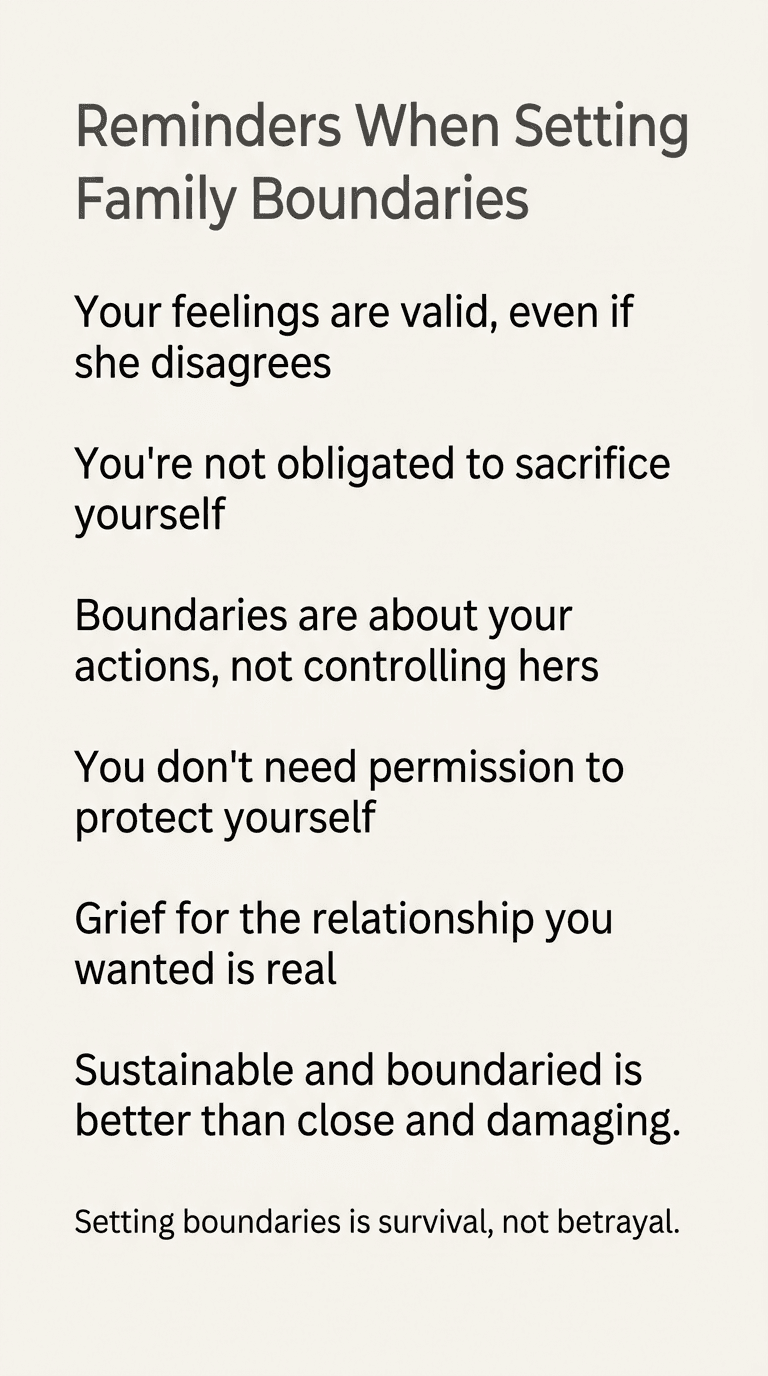
If you’re reading this and considering setting boundaries with your mother, I want you to know: your feelings are valid, even if she disagrees. If you feel hurt, invaded, exhausted, or disrespected in your relationship, those feelings are real and legitimate even if she tells you you’re overreacting, too sensitive, or ungrateful.
You get to decide what feels okay to you in relationships, including with your mother.
You’re not obligated to set yourself on fire to keep her warm. The idea that good children sacrifice themselves completely for their parents is toxic. You can love your mother and still protect yourself from her. You can want a relationship with her and still need distance.
Taking care of yourself through setting boundaries with my mother isn’t betrayal. It’s survival. Understanding the strength to ask for help can support you through this difficult process.
You’re not setting boundaries to hurt her or punish her. You’re setting them because you need protection. The fact that she experiences limits as rejection doesn’t mean they’re wrong. Her discomfort with your boundaries is not your responsibility to fix.
You might need to grieve the mother you wish you had and accept the one you have. That grief from setting boundaries with your mother is real and valid. It’s okay to build a relationship that works for you even if it’s not the close, warm relationship you imagined. Sustainable and boundaried is better than close and damaging.
I couldn’t have done setting boundaries with my mother without my therapist. She helped me see patterns I couldn’t see alone, process grief I didn’t know how to hold, and develop skills I’d never learned. If you’re navigating painful family dynamics, professional support can provide perspective, validation, and concrete strategies.
You don’t have to figure this out alone. Platforms like BetterHelp and Talkspace offer accessible options for finding support.
So many people are quietly navigating difficult relationships with their mothers, feeling guilty and isolated because we’re not supposed to admit that mothers can be harmful. You’re not the only one considering setting boundaries with your mother. Your experience is real. You deserve support and understanding, not judgment.
Resources That Helped Me With Setting Boundaries With My Mother
I worked with a therapist who specialized in family systems and trauma. Having a professional help me see patterns, validate my experience, and develop skills was essential for setting boundaries with my mother.
If you’re looking for support, many therapists now offer online sessions, which can make access easier. I used one of the online therapy platforms when my schedule made in-person appointments difficult, and it gave me consistent support during the hardest parts of setting boundaries with my mother.
There were a few books that helped me name what I was experiencing while setting boundaries with my mother. Adult Children of Emotionally Immature Parents by Lindsay C. Gibson was transformative for me research on emotionally unavailable parents helped me understand the patterns I’d grown up with. The book gave me language for dynamics I’d experienced but couldn’t name.
I also found Set Boundaries, Find Peace by Nedra Glover Tawwab helpful for practical strategies, though I had to adapt them significantly for the specific challenges of setting boundaries with my mother. Reading about attachment theory helped me understand the deeper patterns in our relationship.
I found enormous comfort in online communities of people with difficult mother relationships who were also setting boundaries with their mothers. Seeing others navigate similar dynamics, hearing that I wasn’t alone or mistaken, and learning from people further along in their journey helped immensely.
A few close friends who had their own complicated parent relationships were invaluable for my process of setting boundaries with my mother. They understood in ways people with healthy family relationships simply couldn’t. They validated my experience, reminded me I wasn’t being cruel, and held space for both my grief and my relief.
A Note on My Story and Yours
I’m sharing my experience of setting boundaries with my mother because when I was in the thick of wondering whether I was wrong to want protection, I desperately needed to hear from someone who’d been through it. Someone who could validate that it was hard and messy and grief-filled, and that you could still survive it.
If you’re reading this and seeing your own relationship reflected here, I want you to know you’re not alone. Your experience is real. You deserve to protect yourself through setting boundaries with your mother.
My story of setting boundaries with my mother is mine. Your relationship has its own specific dynamics, history, and context. What I needed to do to protect myself might be more or less than what you need. The approach that works for me might not be the right one for you.
This isn’t a prescription for how to handle your mother. It’s one person’s experience of setting boundaries with my mother, offered in case it helps you feel less alone as you figure out your own path.
If you’re navigating painful family dynamics especially if you’re experiencing anxiety, depression, or struggling to function because of family relationships please consider working with a therapist. I’m not a therapist or family counselor.
I’m just someone who’s been through setting boundaries with my mother and wanted to share what I learned. Professional support can help you process complex emotions, develop strategies specific to your situation, and make decisions that align with your values and wellbeing.
However you choose to navigate your relationship whether you set firm limits, go low or no contact, or find some middle ground please be gentle with yourself. This work of setting boundaries with your mother is hard. The grief is real. The guilt is powerful. You’re doing the best you can with the family you were given and the tools you have.
You deserve relationships including with your mother, if possible that don’t require you to sacrifice your wellbeing. If that’s not possible with her, you deserve to protect yourself anyway through setting boundaries.
Takeaway
Setting boundaries with my mother was one of the hardest and most necessary things I’ve ever done, requiring years of therapy, grief work, and learning to trust my own judgment even when she and others told me I was wrong. The process taught me that love and harm can coexist, that protecting yourself isn’t betrayal, and that you can grieve the relationship you wanted while building one that’s actually sustainable. Boundaries aren’t maintained through one conversation they require ongoing enforcement, acceptance that she may never understand or approve, and willingness to let her be upset without abandoning your own needs. The work is never truly finished, but my mental health has improved dramatically, my other relationships are healthier, and I’m teaching my own children that their boundaries matter and love doesn’t require self-annihilation.
This article shares the personal experience of Aaliyah with setting boundaries with her mother. It is not professional advice, and your situation, family dynamics, and needs will differ. We hopes it helps you feel less alone, not to prescribe what you should do. If you’re navigating painful family dynamics, professional support can provide personalized guidance tailored to your circumstances.
This content is for educational purposes and does not substitute for professional psychological or therapeutic help.