

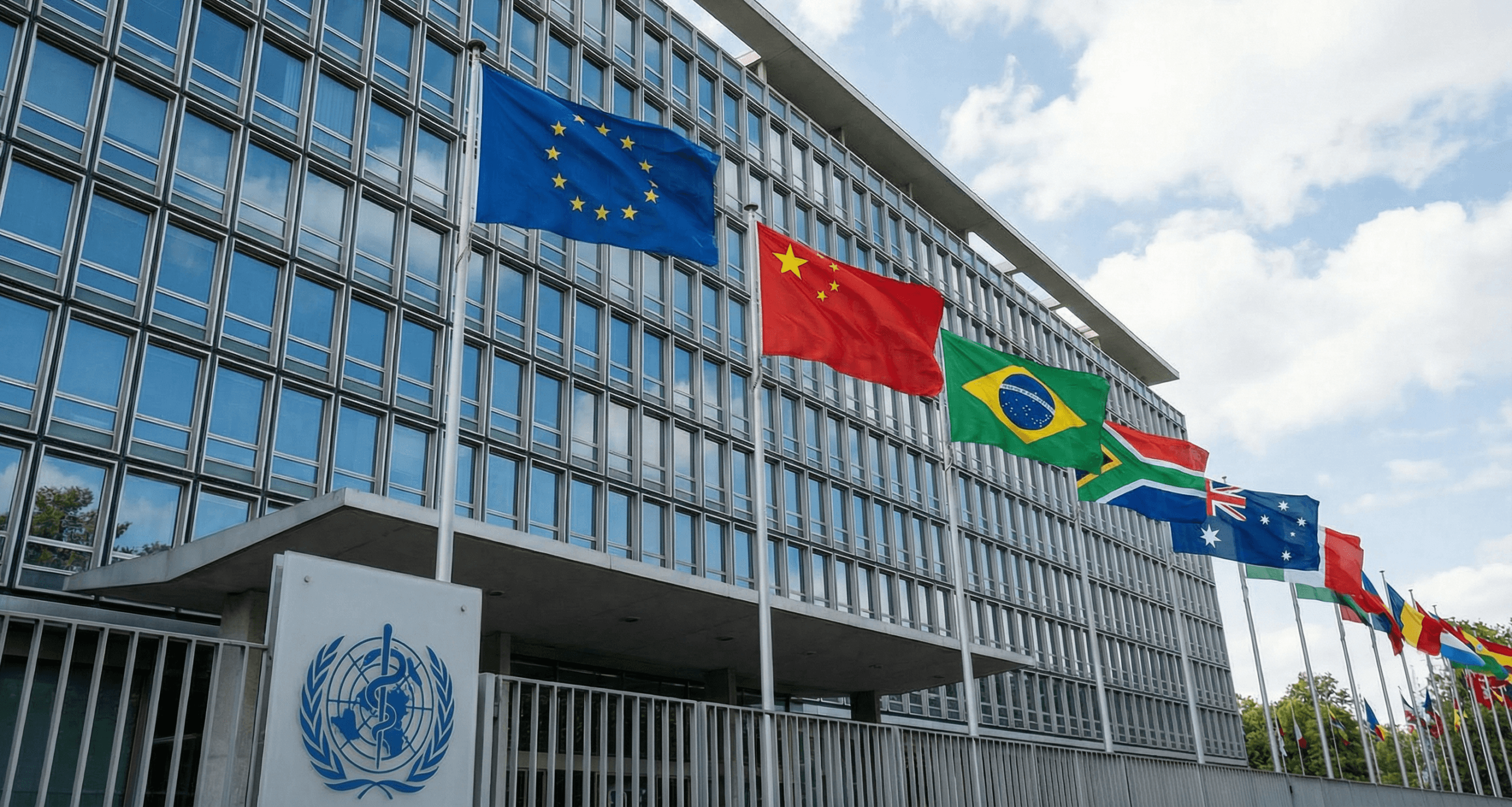
A Shift in Global Health Engagement
Four weeks after the United States formally ended its membership in the World Health Organization (WHO), Washington’s new approach to worldwide health collaboration is taking shape. Federal agencies have moved from multilateral participation to direct partnerships, prompting debate about how the change might affect disease prevention, data sharing, and readiness for future pandemics.
What Has Changed in the First Month?
Since the January 22, 2026 completion of the withdrawal, the U.S. government has worked quickly to institutionalize its new structure for international health cooperation. Officials from the Centers for Disease Control and Prevention (CDC) and the Department of Health and Human Services (HHS) are building bilateral surveillance agreements with allied nations especially in Africa and Southeast Asia to keep early-warning systems intact. These arrangements include direct data exchanges and joint field projects once coordinated through WHO channels.
Meanwhile, the WHO has reassigned former U.S. roles to other member states and regional offices. Geneva headquarters aims to maintain program stability while replacing nearly $700 million a year in lost U.S. funding. Analysts note that the real test of this new balance will come when the world faces its next major outbreak.
Stakeholder Reactions
Policy researchers describe the first month as a period of mixed signals some reassurance, some uncertainty. Supporters within the U.S. government say withdrawal restores policy independence and streamlines funding decisions. Critics warn that separate databases could slow emergency coordination.

Other nations have taken varied positions. Several governments affirm their commitment to partnering with Washington on projects such as vaccine distribution and laboratory training. European and African leaders have called for fresh dialogue between U.S. agencies and the WHO to avoid information gaps. Humanitarian organizations are monitoring how their logistics networks will adjust without U.S. participation in WHO-led operations.
How the Withdrawal Unfolded
On January 20, 2025, President Trump signed Executive Order 14155, initiating the exit process. The order cited “systemic failures” in the WHO’s COVID-19 response and governance reforms and reversed the 2021 directive that had restored U.S. membership.
During the required 12-month notice period:
- All mandatory and voluntary payments to the WHO were halted.
- American employees and contractors at WHO offices were recalled.
- U.S. participation in WHO committees and technical groups ended.
- The United States withdrew from negotiations on the Pandemic Agreement and updates to the International Health Regulations.
The withdrawal became official on January 22, 2026, in a joint statement from HHS and the Department of State.
Emerging Outcomes
Early signs of the new model are visible:
- The Office of Pandemic Preparedness and Response Policy is rewriting the U.S. Global Health Security Strategy to focus on domestic oversight and targeted partnerships.

- CDC field teams formerly seconded to the WHO now work through bilateral memoranda with individual countries, sharing labs while keeping independent reporting.
- HHS has indicated that the U.S. will continue supporting specific multilateral initiatives such as polio eradication and vaccine innovation outside the WHO framework.
Altogether, Washington seeks to remain a science-driven leader with global reach, albeit under its own governance model. The main uncertainty lies in how well future data standards can stay aligned with international systems.
Impact at Home
Inside the United States, state and local health departments are strengthening their communication links with CDC regional centers. Recent CDC updates show steady flu activity entering February 2026, illustrating how ongoing surveillance continues to guide public-health readiness during this policy transition. Universities and non-profits are reworking grant proposals to qualify for redirected federal funds. The restructuring could speed some projects by reducing bureaucratic layers but will also require new protocols to maintain data compatibility abroad.
Federal officials emphasize that domestic priorities remain steady: rapid outbreak detection, strong lab networks, and continued health innovation. Only the coordination model has shifted from a multilateral body to a U.S.-led approach.
Global Consequences
Across the Americas, the Pan American Health Organization (PAHO), a WHO affiliate, continues technical cooperation with the United States. Shared CDC-PAHO programs have helped regional surveillance remain steady.
In Africa and Asia, research networks are negotiating direct agreements funded by U.S. grants. While these programs can strengthen local capacity, analysts warn that they might duplicate existing WHO projects. Economists also point out that fragmented funding streams may slow joint crisis responses unless new institutions fill the gap.
At WHO headquarters in Geneva, members are reviewing budgets to offset the lost U.S. contributions. Officials say key services like the Global Influenza Surveillance and Response System are being maintained through expanded support from European and Asian donors.
Key Questions Still Open
Experts continue to watch three main issues:

- Data sharing: Can bilateral systems match the speed and reach of WHO databases?
- Accountability: Will U.S. oversight tools provide the same transparency as multilateral audits?
- Diplomatic influence: How will Washington shape global health norms outside WHO assemblies?
So far, technical collaborations appear largely uninterrupted. Yet experts stress that real-world crises not organizational charts will ultimately measure this strategy’s success.
Outlook for the Next Six Months
The coming half year will show how well the new policy delivers on its goal of agile cooperation. U.S. agencies plan to release updated guidelines on vaccine diplomacy, biosafety, and antimicrobial resistance. Meanwhile, WHO members continue negotiating pandemic-response accords without U.S. involvement.
If these bilateral partnerships operate smoothly, the withdrawal could mark a new model for diversified global health governance. If gaps emerge, partial re-engagement may follow. Either way, America’s scientific and financial weight will remain central to global health security.
Takeaways
- One month after leaving the WHO, the U.S. is building new bilateral frameworks while the WHO adjusts its budget and responsibilities.
- Early collaboration continues, though standardizing data remains a challenge.
- Revised U.S. strategies on preparedness and biosecurity are imminent.
- Observers see the real-time experiment as a test of how nations can balance autonomy with global solidarity.
- The next public-health emergency will serve as the true benchmark for both systems.
Sources
Centers for Disease Control and Prevention (CDC) Media Release
U.S. Department of Health and Human Services Fact Sheet
White House Presidential Action
Disclaimer: This article summarizes public statements from the CDC, HHS, and the White House for general educational purposes. It is not medical advice. For personal guidance, consult qualified health professionals.