

Preventive Health Screenings by Age: What Adults 25 – 50 Should Discuss With Their Doctor
You make it to your annual physical or maybe it’s been a few years since your last one and your doctor asks, “Are you up to date on your screenings?” You pause. Are you? Should you be getting a cholesterol test at 28? Is it too early to think about cancer screenings in your 30s? What about your family history of diabetes does that change anything?
Preventive health screenings can feel confusing, especially when recommendations seem to shift, different organizations offer varying guidance, and your personal risk factors add another layer of complexity. But understanding what screenings are generally recommended for your age and why can help you have more informed, productive conversations with your healthcare provider.
This guide walks through preventive health screenings by age for adults ages 25 through 50, based on current guidelines from major medical organizations. It’s designed to help you prepare for doctor appointments and understand what questions to ask, not to replace individualized medical advice. Your doctor will personalize these general recommendations based on your health history, family background, risk factors, and current evidence.
Why Preventive Screenings Matter (and How to Approach Them)
The Purpose of Preventive Care: Catching Issues Early
Preventive health screenings by age are designed to detect health conditions before symptoms appear, when treatment is often more effective and outcomes are better. A blood pressure check might reveal hypertension you didn’t know you had. A cholesterol test could identify cardiovascular risk years before a heart attack. Screening for diabetes can catch the disease in its early stages, when lifestyle changes can make the most difference.
The value of prevention is straightforward: many serious health conditions develop gradually and silently. By the time symptoms appear, the disease may be more advanced and harder to treat. Screenings create opportunities for early intervention.
How Screening Guidelines Are Developed
Screening recommendations come from organizations like the U.S. Preventive Services Task Force (USPSTF), an independent panel of medical experts who review scientific evidence about the benefits and harms of preventive services. Other organizations, including the Centers for Disease Control and Prevention (CDC), American Cancer Society (ACS), and American Heart Association (AHA), also develop evidence-based guidelines.
These organizations analyze research on whether screenings actually improve health outcomes, considering both benefits (like early detection and lives saved) and potential harms (like false positives, unnecessary procedures, and anxiety). Guidelines are graded based on the strength of evidence, and they evolve as new research emerges.
General Guidelines vs. Individualized Recommendations
The preventive health screenings by age you’ll see outlined here are based on “average risk” adults people without symptoms, significant family history, or other risk factors. Think of them as starting points for conversation with your doctor, not prescriptive rules.
Your healthcare provider may recommend earlier, more frequent, or different screenings based on factors like:
- Family history of certain diseases
- Your personal health history
- Lifestyle factors (smoking, physical activity, diet)
- Ethnicity and genetic risk factors
- Occupational or environmental exposures
- Current symptoms or concerns
Only your doctor can comprehensively assess your individual risk and determine which screenings are appropriate for you and when.
Understanding Risk Factors That May Change Your Screening Schedule
Certain risk factors can shift screening recommendations significantly. For example, if your mother was diagnosed with breast cancer before age 50, you may need to start mammography screening earlier than standard guidelines suggest. If you have a family history of colorectal cancer, screening might begin before age 45. If you smoke or have smoked, lung cancer screening may be recommended starting at age 50.
Risk assessment is complex and requires medical expertise. What feels like a minor detail to you might be significant to your doctor, and what seems alarming might not actually change your screening schedule. This is why bringing your family health history and honest information about your lifestyle to appointments matters.
What’s Typically Covered Under Preventive Care Insurance Benefits
Under the Affordable Care Act (ACA), most insurance plans are required to cover preventive services that receive an “A” or “B” recommendation from the USPSTF without charging you a copay or coinsurance, as long as you see an in-network provider. This includes many of the screenings discussed in this article about preventive health screenings by age.
However, coverage can be complicated. A screening test is different from a diagnostic test if your doctor orders additional testing because of abnormal results or symptoms, that may not be covered as preventive care. Insurance plans also vary, so it’s worth checking with your insurer about specific coverage for preventive services.
Universal Screenings for Adults 25 – 50
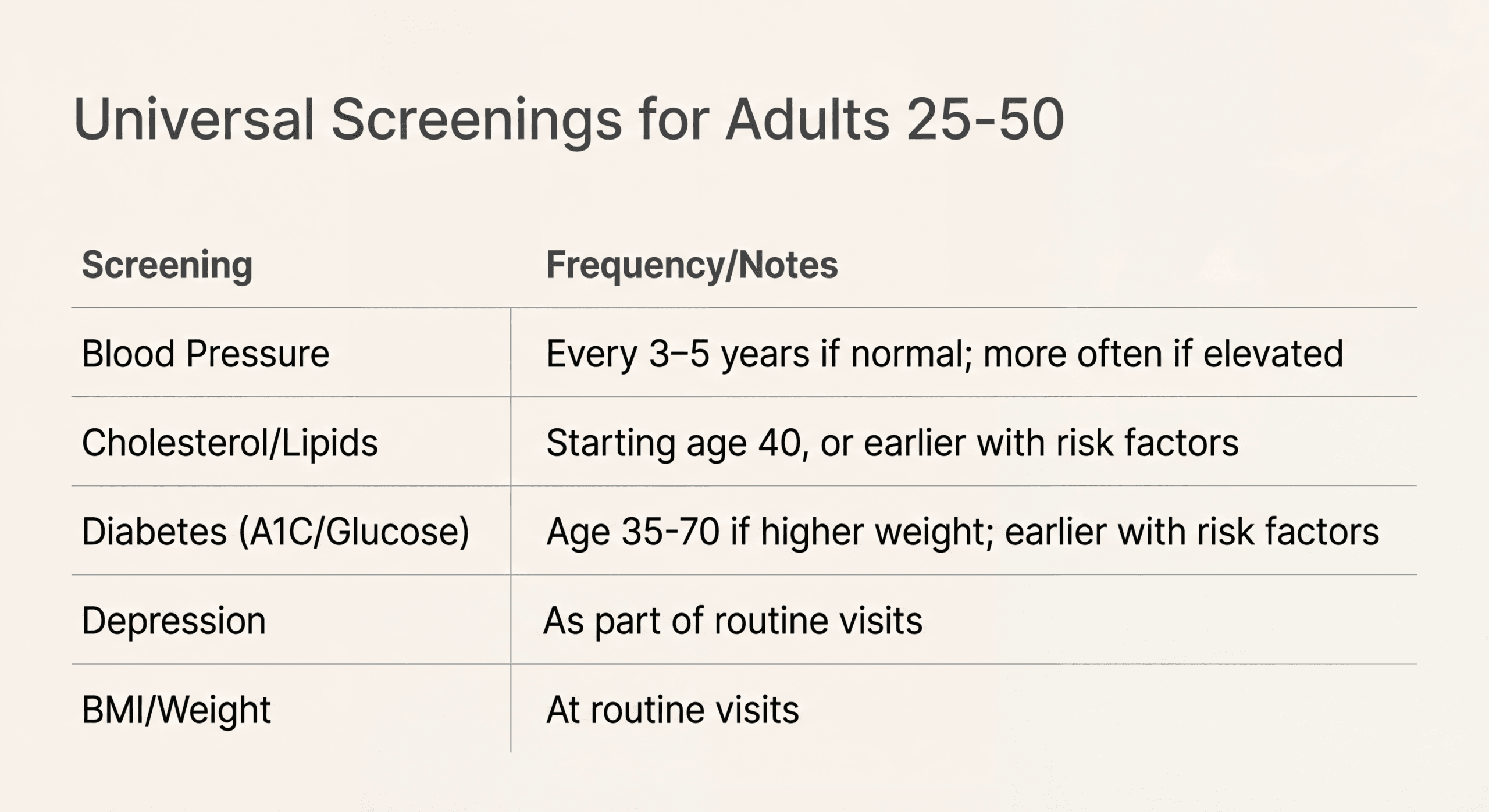
Certain screenings are recommended for all adults in this age range, regardless of specific age within it.
Blood Pressure Screening
The USPSTF recommends blood pressure screening for all adults 18 and older. If your blood pressure is normal (below 120/80 mm Hg), screening every three to five years may be sufficient. If it’s elevated or you have risk factors for hypertension, your doctor will likely check it more frequently possibly at every visit.
High blood pressure often has no symptoms but significantly increases risk for heart disease, stroke, and kidney disease. It’s one of the most important numbers to know. Understanding blood pressure numbers can reduce unnecessary fear and help you track your cardiovascular health effectively.
Cholesterol and Lipid Panel Screening
Cholesterol screening recommendations depend on age and risk factors. The USPSTF recommends:
- Screening for adults 40-75 with cardiovascular risk factors
- Consideration of screening for adults 20-39 with cardiovascular risk factors
- Some organizations recommend baseline cholesterol testing starting in your 20s
If you have a family history of high cholesterol or heart disease, diabetes, obesity, or if you smoke, your doctor may recommend starting cholesterol screening earlier and checking it more frequently than someone without these risk factors.
Diabetes Screening (Blood Glucose/A1C)
The USPSTF recommends diabetes screening for adults 35-70 who are higher weight, as part of cardiovascular risk assessment. However, if you have risk factors family history of diabetes, history of gestational diabetes, polycystic ovary syndrome (PCOS), or certain ethnic backgrounds with higher diabetes risk your doctor may recommend earlier and more frequent screening.
Type 2 diabetes can develop gradually, and early detection allows for lifestyle interventions that can prevent or delay progression.
Body Mass Index (BMI) and Weight Assessment
BMI screening is standard at most healthcare visits. While BMI has limitations as a health measure (it doesn’t distinguish between muscle and fat, and doesn’t account for body composition), it’s used as one indicator of potential health risks.
If your BMI indicates higher weight, your doctor should offer or refer you to behavioral counseling and support for weight management, as weight affects risk for many conditions including diabetes, heart disease, and certain cancers.
Depression Screening
The USPSTF recommends screening all adults for depression, with adequate systems in place to ensure accurate diagnosis, effective treatment, and appropriate follow-up. This typically happens through a questionnaire during routine visits.
Depression is common, treatable, and often goes unrecognized. Screening helps identify it early so treatment can begin. If you’re experiencing persistent low mood, building emotional regulation skills daily can complement professional support.
Skin Cancer Screening and Self-Exams
While the USPSTF has found insufficient evidence to recommend for or against routine full-body skin exams by doctors for people without symptoms or high risk, being aware of changes in your skin is important. If you notice new or changing moles, persistent sores, or other skin changes, bring them to your doctor’s attention.
If you have risk factors family history of melanoma, many moles, fair skin, history of severe sunburns, or significant sun exposure discuss with your doctor whether regular skin exams are appropriate.
Screenings for Adults in Their 20s and Early 30s (25 – 34)
What to Discuss at Your Annual Physical
Even if you feel healthy, establishing a relationship with a primary care provider during your 20s and early 30s creates continuity of care and baselines for comparison as you age. Annual visits typically include:
- Blood pressure check
- Height, weight, and BMI assessment
- Discussion of family health history
- Lifestyle and prevention counseling
- Assessment of whether you’re up to date on vaccinations
- Discussion of any concerns or symptoms
Your doctor may recommend additional screenings based on your individual situation.
Cervical Cancer Screening (Pap Test) for Women
Current guidelines from the American Cancer Society and USPSTF recommend:
- Cervical cancer screening starting at age 25
- Ages 25-65: HPV testing every 5 years (preferred), or co-testing (HPV test with Pap test) every 5 years, or Pap test alone every 3 years
Guidelines have shifted over the years. Previously, screening started at age 21, but recent evidence supported changing the starting age to 25 for average-risk individuals. Your doctor can explain which testing approach is best for your situation.
Sexually Transmitted Infection (STI) Screening
STI screening recommendations depend on risk factors and sexual activity:
- The USPSTF recommends screening for chlamydia and gonorrhea in sexually active women under 25, and in older women at increased risk
- HIV screening is recommended for all adults and adolescents ages 15-65 at least once, with more frequent screening for those at increased risk
- Syphilis screening is recommended for people at increased risk
- Hepatitis B and C screening based on risk factors
Discuss your sexual health openly with your doctor—they need accurate information to recommend appropriate screening.
Baseline Health Metrics to Establish
Your 20s and early 30s are a good time to establish baseline measurements that will be useful for comparison later:
- Blood pressure
- Cholesterol levels (if you have risk factors)
- Fasting glucose (if you have risk factors)
- Body weight and BMI
These baselines help your doctor track changes over time and identify concerning trends early.
When Family History Changes Recommendations
If you have a family history of certain cancers (especially breast, colorectal, or ovarian cancer), heart disease, diabetes, or other conditions, tell your doctor. Family history can significantly change screening recommendations.
For example, if a first-degree relative (parent, sibling) was diagnosed with colorectal cancer before age 60, you may need colonoscopy screening starting 10 years before their age at diagnosis, or at age 40 whichever comes first. If multiple relatives on one side of the family had breast or ovarian cancer, genetic counseling and testing might be appropriate.
Lifestyle and Prevention Counseling Topics
Your doctor should discuss lifestyle factors that affect long-term health, including:
- Tobacco use and cessation support
- Alcohol consumption
- Diet and nutrition
- Physical activity
- Safe sexual practices
- Mental health and stress management
These conversations are part of preventive care and can help you make informed choices about your health. Many adults in this age group are building morning routines for well-being that support both physical and mental health.
Screenings for Adults in Their Mid-to-Late 30s (35 – 39)
Continuing Routine Screenings from Your 20s
The universal screenings continue throughout your 30s:
- Regular blood pressure checks
- Cholesterol screening (especially if you have risk factors or haven’t been screened)
- Diabetes screening (recommended starting at age 35 if you’re higher weight)
- Cervical cancer screening at recommended intervals
- Depression screening
- STI screening if at risk
When Earlier Cancer Screenings May Be Recommended
While many cancer screenings begin at age 40 or later for average-risk adults, your doctor may recommend earlier screening if you have:
- A family history of cancer, particularly if relatives were diagnosed young
- Genetic mutations that increase cancer risk (like BRCA1/BRCA2 for breast and ovarian cancer)
- Personal history of precancerous conditions
- Certain ethnic backgrounds with higher risk for specific cancers
This is where individualized assessment becomes especially important when considering preventive health screenings by age.
Cardiovascular Risk Assessment
Your 30s are a time when cardiovascular risk factors begin to matter more. If you haven’t had cholesterol screening and you’re approaching 40, or if you have risk factors like family history of heart disease, smoking, high blood pressure, or diabetes, discuss cardiovascular screening with your doctor.
The earlier you identify and address risk factors, the more effectively you can prevent heart disease and stroke later. Research shows that social fitness and relationships strengthen health outcomes, including cardiovascular wellness.
Thyroid Function Testing (When Appropriate)
Routine thyroid screening isn’t recommended for asymptomatic adults. However, if you have symptoms that could indicate thyroid problems unexplained weight changes, fatigue, changes in heart rate, mood changes or if you have risk factors like family history of thyroid disease or autoimmune conditions, your doctor may recommend thyroid function testing.
Eye Exams and Vision Screening
If you haven’t had an eye exam recently and you’re experiencing vision changes, or if you have risk factors for eye disease (diabetes, family history of glaucoma, high blood pressure), schedule a comprehensive eye exam. Even without symptoms, a baseline exam in your 30s can be valuable.
Dental Health and Oral Cancer Screening
Regular dental visits (typically every six months) include oral cancer screening. Your dentist examines your mouth, tongue, and throat for signs of cancer or precancerous changes. If you use tobacco or drink alcohol heavily, oral cancer risk is higher, and regular dental visits become even more important.
Screenings for Adults in Their 40s (40 – 49)
Your 40s mark a shift in preventive health screenings by age recommendations, with several important screenings beginning during this decade.
Breast Cancer Screening Recommendations and Considerations
Breast cancer screening recommendations have been a source of ongoing discussion among medical organizations, and guidelines vary:

USPSTF (2024 update):
- Recommends biennial (every 2 years) mammography screening for women ages 40-74
- Previously recommended starting at age 50; now recommends starting at age 40 for average-risk women
American Cancer Society:
- Women ages 40-44 should have the option to start annual screening
- Women ages 45-54 should get mammograms every year
- Women 55 and older can switch to every 2 years or continue yearly
The variation reflects different weighing of benefits (early detection, lives saved) versus harms (false positives, anxiety, overdiagnosis). Your doctor can help you understand these trade-offs and make a decision that’s right for you.
Important: If you have a family history of breast cancer (especially a mother, sister, or daughter diagnosed before menopause), carry genetic mutations like BRCA1/BRCA2, or have other risk factors, you may need to start screening earlier and possibly include MRI in addition to mammography. Discuss your family history with your doctor.
Colorectal Cancer Screening (Starting at 45 for Average Risk)
The American Cancer Society and USPSTF now recommend that adults at average risk begin colorectal cancer screening at age 45 (previously age 50). This change came after rising rates of colorectal cancer in younger adults.
Screening options include:
- Colonoscopy every 10 years (most comprehensive; allows removal of polyps during the procedure)
- Stool-based tests (FIT or FIT-DNA) annually or every 1-3 years depending on type
- CT colonography every 5 years
- Flexible sigmoidoscopy every 5-10 years
Each method has advantages and limitations. Colonoscopy is considered the gold standard because it examines the entire colon and allows immediate polyp removal, but it requires bowel preparation and sedation. Stool tests are non-invasive but must be done regularly and any positive result requires follow-up colonoscopy.
Your doctor can help you choose the approach that fits your preferences, medical history, and circumstances.
Important: If you have a family history of colorectal cancer or polyps, inflammatory bowel disease, or certain genetic syndromes, you likely need to start screening earlier possibly in your 30s or even 20s and may need more frequent screening. Tell your doctor about any family history of colon issues.
Type 2 Diabetes Screening Frequency Increases
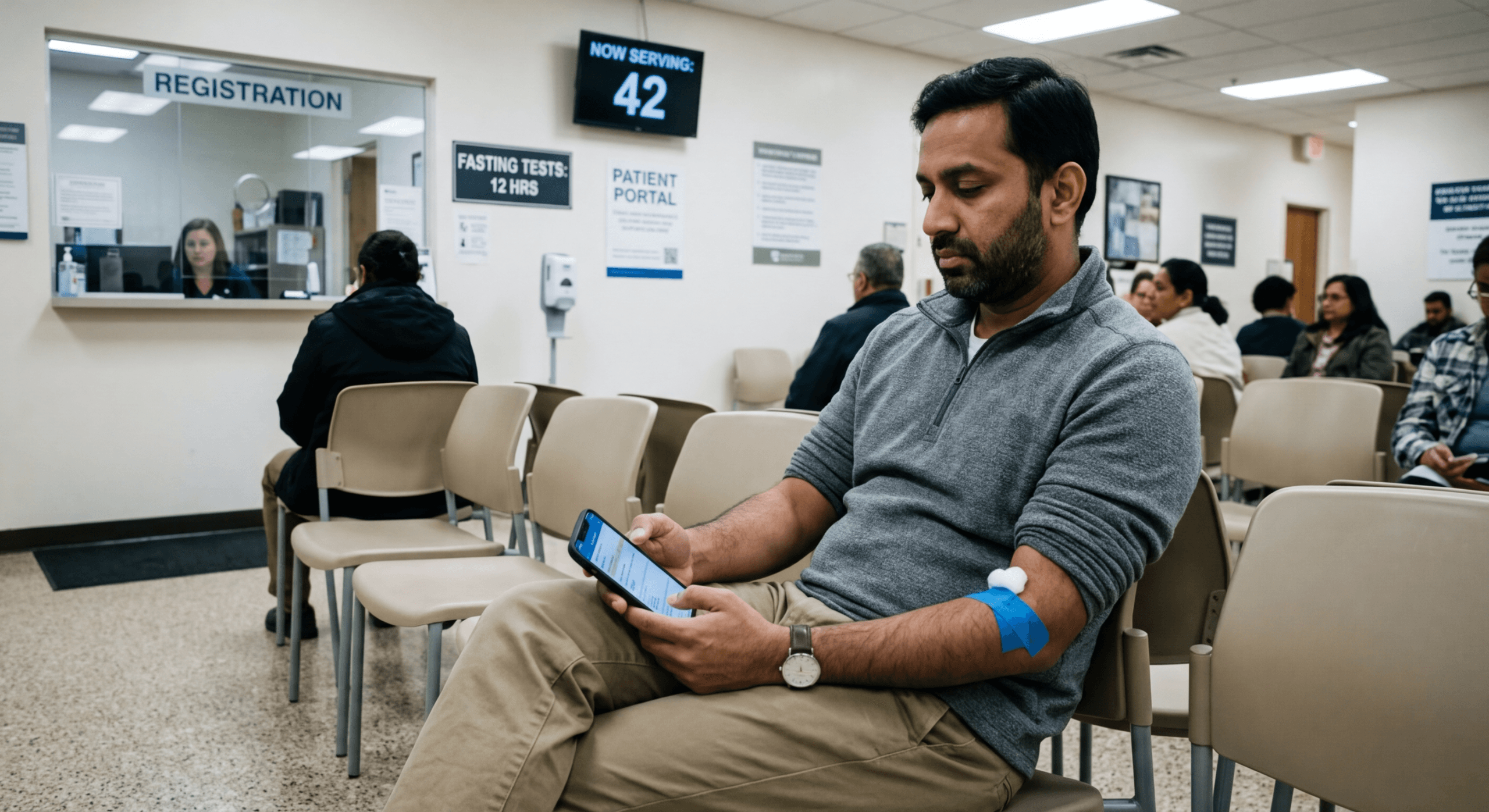
If you’re higher weight, diabetes screening is recommended starting at age 35 and should be repeated every 3 years if results are normal. If you have additional risk factors family history, history of gestational diabetes, PCOS, prediabetes on previous testing screening may be recommended more frequently.
Cardiovascular Risk Continues to Be Important
Regular blood pressure screening continues throughout your 40s. Cholesterol screening becomes more clearly recommended for adults 40-75, particularly those with cardiovascular risk factors. Your doctor may use a cardiovascular risk calculator to estimate your 10-year risk of heart disease or stroke and discuss whether preventive medications like statins might be beneficial.
Lung Cancer Screening (For Those with Smoking History)
The USPSTF recommends annual lung cancer screening with low-dose computed tomography (CT) for adults ages 50-80 who:
- Have a 20 pack-year smoking history (for example, 1 pack per day for 20 years, or 2 packs per day for 10 years), AND
- Currently smoke or have quit within the past 15 years
If you have a significant smoking history, discuss lung cancer screening with your doctor. Screening has been shown to reduce lung cancer deaths in high-risk individuals.
Hepatitis C Screening (One-Time for Certain Adults)
The USPSTF recommends one-time hepatitis C screening for all adults ages 18-79. Hepatitis C can cause chronic liver disease and often goes undetected for years because it typically doesn’t cause symptoms until liver damage is advanced.
Even if you don’t have obvious risk factors, one-time screening is now recommended for all adults in this age range.
Screenings Based on Assigned Sex at Birth
For People Assigned Female at Birth
Cervical cancer screening:
Continue following recommended intervals (HPV testing every 5 years, co-testing every 5 years, or Pap test every 3 years) through age 65, unless you’ve had certain procedures like total hysterectomy that included removal of the cervix.
Breast health awareness and screening:
Begin mammography screening based on current guidelines (typically starting at age 40) or earlier if you have risk factors. Continue breast awareness being familiar with how your breasts normally look and feel and report any changes to your doctor.
Bone density considerations:
Routine bone density screening (DEXA scan) typically begins at age 65 for women. However, if you have risk factors for osteoporosis early menopause, long-term steroid use, eating disorders, certain medical conditions, family history your doctor may recommend earlier screening.
Pregnancy-related screenings:
If you’re pregnant or planning pregnancy, additional screenings are recommended during prenatal care, including testing for gestational diabetes, anemia, and infections.
For People Assigned Male at Birth
Testicular self-exams:
While routine testicular exams by doctors aren’t recommended as formal screening, awareness of what’s normal for you is valuable. If you notice lumps, swelling, or changes, see your doctor. Testicular cancer is most common in adults ages 20-35.
Prostate cancer discussion:
Routine prostate cancer screening typically begins after age 50 for average-risk individuals (or earlier for those at higher risk). In your late 40s, you may begin discussing with your doctor when to start screening with PSA (prostate-specific antigen) blood tests and whether screening is appropriate for you. Prostate cancer screening involves shared decision-making because benefits and harms are closely balanced.
Abdominal aortic aneurysm screening:
This screening is typically recommended for adults ages 65-75 who have ever smoked. If you’re in your 40s with significant smoking history, discuss with your doctor whether earlier screening might be appropriate, though it’s not standard.
Risk Factors That May Change Your Screening Schedule
Family History of Cancer, Heart Disease, or Diabetes
Family health history is one of the most important pieces of information you can bring to your doctor. First-degree relatives (parents, siblings, children) with certain conditions significantly affect your risk and screening recommendations.
Key things to tell your doctor:
- What conditions your relatives had
- How old they were when diagnosed
- Whether multiple relatives had the same condition
- Health history on both sides of your family
For some conditions, like certain hereditary cancers, genetic counseling and testing may be appropriate.
Personal Health History (Previous Conditions, Abnormal Results)
Your own health history matters significantly. If you’ve had:
- Previous abnormal screening results (like precancerous polyps on colonoscopy)
- History of cancer
- Certain chronic conditions
- Previous positive tests for infections like hepatitis or HIV
…you’ll likely need different or more frequent screening than someone without these factors.
Lifestyle Factors (Smoking, Alcohol Use, Physical Inactivity)
Be honest with your doctor about:
- Smoking: Current or past tobacco use affects screening for lung cancer, cardiovascular disease, and various cancers
- Alcohol use: Heavy drinking increases risk for liver disease, certain cancers, and other conditions
- Physical inactivity and diet: These affect risk for diabetes, heart disease, and other conditions balancing carbs, protein, and fat for energy supports overall health
- Drug use: Past or current use can affect screening needs, particularly for infectious diseases
Your doctor isn’t there to judge they need accurate information to provide appropriate care.
Obesity and Metabolic Syndrome
Obesity increases risk for many conditions, including type 2 diabetes, heart disease, certain cancers, and sleep apnea. If your BMI indicates obesity, or if you have metabolic syndrome (a cluster of conditions including high blood pressure, high blood sugar, excess abdominal fat, and abnormal cholesterol levels), more frequent screening for diabetes and cardiovascular risk factors may be appropriate.
Racial and Ethnic Health Disparities and Screening Considerations
Certain populations face higher risk for specific conditions due to genetic factors, social determinants of health, and healthcare access disparities:
- Black adults have higher rates of hypertension, diabetes, and colorectal cancer, and may benefit from earlier or more intensive screening
- Hispanic/Latino adults have higher rates of diabetes and may benefit from earlier glucose screening
- Asian American populations may develop diabetes at lower BMI levels than other populations
- Ashkenazi Jewish individuals have higher rates of certain genetic mutations increasing cancer risk
Your doctor should consider your ethnic background when personalizing preventive health screenings by age recommendations. Research on psychological well-being in Black America highlights how historical and systemic factors affect health outcomes and healthcare access.
Occupational or Environmental Exposures
If you’ve had significant exposure to:
- Asbestos (increases lung cancer and mesothelioma risk)
- Industrial chemicals
- Radiation
- Agricultural pesticides
- Other known carcinogens
…discuss this with your doctor. Occupational exposures can affect screening recommendations, particularly for lung and bladder cancer.
How to Prepare for Your Doctor Appointment
Gathering Your Family Health History
Before your appointment, gather information about:
- Parents, siblings, children: major health conditions and age at diagnosis
- Grandparents, aunts, uncles, cousins: cancer, heart disease, diabetes, and other significant conditions

Gathering family health history helps personalize preventive health screenings by age, identifying risks that may warrant earlier or more frequent testing. - Whether anyone died young or from specific diseases
- Ethnic background (relevant for genetic risk factors)
If you don’t know your family history completely, write down what you do know and note gaps. Even partial information is helpful.
Knowing What Screenings You’ve Already Had (and When)
Try to compile:
- Dates of previous screenings (colonoscopy, mammogram, cholesterol test, etc.)
- Results if you have them
- Where tests were done (so records can be requested if needed)
If you’ve seen multiple doctors or moved, you may not have a complete record. Your current doctor can help you figure out what you might have missed.
Questions to Ask Your Doctor About Preventive Care
Good questions include:
- “Based on my age and health history, what screenings should I be getting?”
- “Are there any screenings I should start earlier because of my family history?”
- “How often should I be screened for [specific condition]?”
- “What are my options for [specific screening], and what are the pros and cons of each?”
- “Is this screening covered by my insurance as preventive care?”
- “What happens if a screening result is abnormal?”
- “When should I come back for my next checkup?”
Understanding Your Insurance’s Preventive Coverage
Before your appointment:
- Check what preventive services your plan covers without cost-sharing
- Confirm whether your doctor is in-network
- Ask whether you need prior authorization for any screenings
- Understand what happens if screening leads to diagnostic follow-up (which may have different coverage)
Many insurance companies have online portals or phone lines where you can ask about coverage for specific preventive services. The guide on preventive checkups and insurance coverage explains these nuances in detail.
Keeping Track of Your Health Records and Results
Consider:
- Requesting copies of test results (you have a right to your medical records)
- Keeping a personal health file with screening dates and results
- Using a patient portal if your healthcare system offers one
- Making notes about what your doctor recommends for future screening
This information becomes increasingly valuable over time and is especially helpful if you change doctors or move.
Understanding Different Types of Preventive Services
Screenings vs. Diagnostic Tests (and Why It Matters for Insurance)
A screening test is done when you have no symptoms it’s looking for disease in people who appear healthy. A diagnostic test is done because of symptoms, an abnormal screening result, or known disease.
This distinction matters for insurance because preventive screening is often covered without cost-sharing, but diagnostic testing may require copays or count toward your deductible.
For example: A colonoscopy done at age 45 because it’s time for screening is preventive. But if a polyp is found and removed during that colonoscopy, some insurers may reclassify it as diagnostic. Or if you’re having abdominal symptoms and your doctor orders a colonoscopy to investigate, that’s diagnostic, not screening.
If you’re concerned about costs, ask your doctor’s office to clarify with your insurance company how a test will be coded.
What “Shared Decision-Making” Means in Preventive Care
For some screenings particularly those where benefits and potential harms are closely balanced your doctor should engage in “shared decision-making” with you. This means:
- Explaining what the screening involves
- Discussing potential benefits (what it might detect, how that could help)
- Discussing potential harms (false positives, unnecessary procedures, anxiety, overdiagnosis)
- Considering your values, preferences, and circumstances
- Making a decision together about whether to screen and which approach to use
Shared decision-making is particularly relevant for screenings like mammography in your 40s, prostate cancer screening, and lung cancer screening, where different people may reasonably make different choices based on the same information.
How Often You Should See Your Primary Care Provider
If you’re generally healthy, an annual checkup is often recommended, though some evidence suggests that adults without chronic conditions might not need yearly visits. Your doctor can advise on what schedule makes sense for you based on:
- Your age
- Chronic conditions requiring monitoring
- Screening schedules
- Medication management needs
Even if you don’t need annual visits for screening, establishing a relationship with a primary care provider means you have someone to call when concerns arise.
When to See Specialists for Certain Screenings
Some screenings are done by specialists:
- Mammograms: Ordered by your primary care provider but performed at imaging centers; a radiologist reads the results
- Colonoscopy: Performed by gastroenterologists
- Eye exams: Performed by optometrists or ophthalmologists
- Skin cancer screening: Can be done by dermatologists if you’re at high risk
Your primary care provider typically coordinates your preventive care and refers you to specialists when appropriate.
Common Barriers to Preventive Care (and How to Address Them)
“I Feel Fine, So I Don’t Need Screenings”
This is perhaps the most common reason people skip preventive care, and it’s understandable when you feel healthy, medical appointments feel unnecessary.
But many serious conditions develop silently. High blood pressure, high cholesterol, prediabetes, and early-stage cancers often cause no symptoms. By the time you feel sick, the condition may be more advanced.
Preventive screening is most valuable precisely when you feel fine, because it can catch problems early when they’re most treatable.
Cost and Insurance Concerns
Cost is a real barrier for many people. If you’re worried about affordability:
- Check whether your insurance covers preventive services without cost-sharing (most do under ACA requirements)
- Ask about cash-pay prices if you’re uninsured some tests may be more affordable than you expect
- Look for community health centers that offer services on a sliding scale based on income
- Ask your doctor which screenings are most important if you need to prioritize
Don’t skip screenings without discussing cost concerns with your doctor’s office they may know about programs or options you’re not aware of.
Not Having a Regular Doctor or Primary Care Provider
If you don’t have an established relationship with a primary care provider:
- Check whether your insurance requires you to choose a primary care doctor
- Look for community health centers if you’re uninsured or underinsured
- Ask friends or family for recommendations
- Search your insurance company’s provider directory
- Consider whether a family practice doctor, internist, or nurse practitioner would be the best fit
Establishing care takes effort, but having a regular provider who knows your health history makes preventive care much easier to navigate.
Fear or Anxiety About Medical Appointments
Medical anxiety is common and valid. If this is a barrier for you:
- Tell your doctor they can take extra time, explain things more thoroughly, or make accommodations
- Bring a trusted friend or family member to appointments for support
- Write down your concerns beforehand so you don’t have to remember everything in the moment
- Ask questions about what to expect with any screening so you’re prepared
- Remember that you can stop or pause during a procedure if you’re uncomfortable
Many people avoid care because of past negative experiences or general anxiety. Healthcare providers understand this and can work with you to make it more manageable. If anxiety vs. overwhelm is affecting your ability to schedule appointments, recognizing the difference can help you find appropriate support.
Time Constraints and Scheduling Challenges
Between work, family responsibilities, and everything else, finding time for medical appointments is genuinely difficult. Some strategies:
- Look for providers with early morning, evening, or weekend hours
- Ask whether your employer offers flexibility for medical appointments
- Try to schedule screenings well in advance, during times you know will work
- Combine appointments when possible (though be aware this might affect insurance coverage for preventive services)
- Consider whether your employer offers on-site health screenings
Preventive care takes time, but catching a serious condition early often saves time (and suffering) in the long run. For many working professionals, particularly mothers juggling multiple responsibilities, working mother fatigue and micro-recovery strategies can help create space for self-care including medical appointments.
Cultural or Language Barriers in Healthcare Settings
If language, cultural differences, or past experiences with healthcare discrimination create barriers:
- Ask whether your healthcare system offers interpretation services (many are required to provide this at no cost)
- Look for providers who speak your language or share your cultural background
- Bring a trusted family member or friend who can help with communication
- Ask community organizations whether they can recommend culturally responsive healthcare providers
- Know that you have the right to respectful, culturally appropriate care
Healthcare disparities are real and unjust. You deserve quality preventive care delivered respectfully and in a language you understand.
Resources for Preventive Health Information
U.S. Preventive Services Task Force (USPSTF) Guidelines
The USPSTF website provides evidence-based screening recommendations for various conditions. You can search by topic or use their tools to see which screenings are recommended for your age and sex.
Centers for Disease Control and Prevention (CDC) Resources
The CDC offers comprehensive information about preventive health, including screening recommendations, vaccination schedules, and disease prevention strategies at cdc.gov. The CDC updates on flu activity and other health news can help you stay informed about current public health guidance.
Major Medical Organizations
Organizations focused on specific conditions provide detailed information about screening:
- American Cancer Society (cancer.org): Cancer screening guidelines
- American Heart Association (heart.org): Cardiovascular health and screening
- American Diabetes Association (diabetes.org): Diabetes prevention and screening
Healthcare.gov Preventive Care Information
Healthcare.gov provides information about preventive services covered under the Affordable Care Act, which can help you understand what your insurance should cover without cost-sharing.
Finding a Primary Care Provider
If you need to find a primary care provider:
- Check your insurance company’s provider directory
- Use tools like Zocdoc or Healthgrades to search for providers and read reviews
- Contact community health centers in your area
- Ask for recommendations from friends, family, or other healthcare providers you trust
Frequently Asked Questions About Preventive Screenings
Does insurance cover preventive screenings?
Most insurance plans are required under the Affordable Care Act to cover preventive services that receive an “A” or “B” rating from the USPSTF without charging copays, coinsurance, or applying them to your deductible as long as you see an in-network provider. This includes many preventive health screenings by age discussed in this article.
However, coverage can vary, and some screenings may not be fully covered depending on your specific plan. It’s worth checking with your insurance company about coverage for specific preventive services before scheduling.
What’s the difference between screening and diagnostic tests?
Screening tests are performed when you have no symptoms, to look for disease in apparently healthy people. Diagnostic tests are done when you have symptoms, an abnormal screening result, or known disease.
This matters because insurance coverage often differs screening is typically covered as preventive care, while diagnostic testing may have different cost-sharing requirements. The same test (like a colonoscopy) can be screening or diagnostic depending on why it’s being done.
Can I skip screenings if I’m healthy and have no symptoms?
Many serious health conditions including high blood pressure, high cholesterol, diabetes, and early cancers develop without symptoms. Screening is designed to catch these problems before you feel sick, when they’re often more treatable.
Feeling healthy is wonderful, but it doesn’t mean screenings aren’t valuable. Only your doctor can help you determine which screenings are appropriate to skip (if any) based on your comprehensive risk assessment.
How do I know which screenings apply to me specifically?
The preventive health screenings by age outlined in this article are general guidelines for average-risk adults at different ages. Your specific screening needs depend on:
- Your age
- Your assigned sex at birth (and current anatomy if you’re transgender)
- Your family health history
- Your personal health history
- Your lifestyle and risk factors
Only a healthcare provider who knows your complete health picture can determine which screenings are appropriate for you and when. That’s why this article is designed to prepare you for conversations with your doctor, not to provide individualized medical advice.
What should I do if I can’t afford preventive care?
If cost is a barrier:
- Check whether your insurance covers preventive services without cost-sharing (many do)
- Look for community health centers that offer services on a sliding scale based on income
- Ask your doctor’s office about cash-pay prices some preventive tests may be more affordable than expected
- See if you qualify for Medicaid or marketplace insurance with subsidies
- Ask your doctor which screenings are highest priority if you need to spread them out over time
Don’t let cost concerns prevent you from discussing your situation with a healthcare provider they may know about resources or options you’re not aware of.
How often should I see my doctor if I’m healthy?
Recommendations vary, but many healthcare providers suggest annual checkups for adults, even if you’re healthy. These visits allow for:
- Routine screening tests appropriate for your age
- Blood pressure and weight monitoring
- Discussion of any new symptoms or concerns
- Preventive counseling about lifestyle factors
- Updating your health history and medications
Your doctor can advise whether you need annual visits or whether a different schedule makes sense based on your age, health status, and screening needs.
Important Information and Medical Disclaimer
Understanding the Purpose and Limits of This Guide
This article provides educational information about preventive health screenings by age for adults ages 25–50, based on current recommendations from major medical organizations including the U.S. Preventive Services Task Force, Centers for Disease Control and Prevention, American Cancer Society, American Heart Association, and other authoritative sources.
This information is not medical advice. It’s designed to help you prepare for informed conversations with your healthcare provider, not to replace professional medical guidance. Only a qualified healthcare provider who knows your complete health history, family background, risk factors, and current circumstances can determine which screenings are appropriate for you and when.
The preventive health screenings by age presented here are general guidelines for “average risk” adults. Your individual screening needs may be very different based on factors including:
- Family history of disease
- Personal health history
- Ethnic background and genetic risk factors
- Lifestyle factors
- Current symptoms or health concerns
- Previous screening results
Why Individualized Medical Advice Matters
Healthcare is not one-size-fits-all. Two people of the same age and sex may need completely different screening schedules based on their unique risk factors and circumstances.
For example, a 35-year-old woman with no family history of breast cancer and no other risk factors likely doesn’t need mammography screening yet. But a 35-year-old woman whose mother was diagnosed with breast cancer at age 42 and who carries a BRCA1 gene mutation may need annual mammograms and MRIs starting now.
Your healthcare provider has the training and access to your health information needed to make these individualized recommendations. Use this article as a starting point for conversation, but trust your doctor’s guidance when it differs from general guidelines.
Staying Informed About Evolving Guidelines
Preventive health screening guidelines evolve as new research emerges and medical organizations review evidence. Recommendations can and do change:
- The starting age for colorectal cancer screening was recently lowered from 50 to 45
- Cervical cancer screening starting age changed from 21 to 25
- Breast cancer screening recommendations have been debated and adjusted multiple times
What’s recommended today may be refined or changed in the future. Your healthcare provider stays current on the latest evidence-based guidelines and can advise you accordingly.
The information in this article reflects current guidelines as of the date of publication, but you should consult your healthcare provider for the most current, personalized recommendations for your situation.
Insurance Coverage Variation
While the Affordable Care Act requires most insurance plans to cover many preventive services without cost-sharing, specific coverage varies by plan. Some plans may have different coverage levels, and the distinction between screening (preventive) and diagnostic testing can affect what you pay.
Before scheduling any screening, check with your insurance provider about:
- Whether the service is covered as preventive care
- Whether prior authorization is required
- Whether the provider is in-network
- What happens if the screening leads to diagnostic follow-up
Next Steps: Scheduling Your Preventive Care Visit
If you haven’t had a checkup recently, or if reading this article made you realize you might be due for certain screenings, consider scheduling an appointment with a primary care provider.
Come prepared to discuss:
- Your family health history
- When you last had various screening tests
- Any symptoms or health concerns
- Questions about which screenings are appropriate for you
Remember, preventive care is an investment in your long-term health. The time you spend on screenings now can help you stay healthier for decades to come.
NOTE
Preventive health screenings by age are designed to catch problems early, when they’re most treatable. While general guidelines suggest which screenings are typically appropriate at different ages, your individual screening needs depend on your unique health history, family background, and risk factors. This article is meant to help you understand common screening recommendations and prepare for productive conversations with your healthcare provider not to replace personalized medical advice. Your doctor can help you determine which preventive health screenings by age are right for you, when to get them, and how to make preventive care work within your life and budget. Taking time for preventive care now is one of the most valuable investments you can make in your long-term health.
This content is for educational purposes and does not substitute for professional medical advice, diagnosis, or treatment. Always consult your healthcare provider about which preventive screenings are appropriate for your individual circumstances.