
When “Too Much” Turns Into Something Else
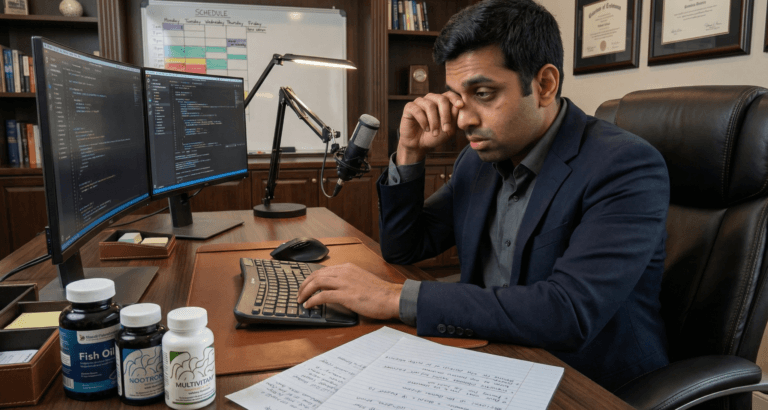
We have all said it: “I’m so anxious.” Often, what we truly mean is that we are overloaded with tasks, not trapped in a cycle of panic. Modern life blurs the distinction between overwhelm the temporary strain of too many demands and anxiety, a lingering sense of alarm that can persist even when circumstances seem manageable.
Understanding the difference between anxiety and overwhelm creates space for self-compassion: rest when you are stretched thin, and seek support when distress lingers.
This distinction matters to us editorially because conflating the two has real consequences. Treating anxiety as overwhelm leads people to rest when they need professional support. Treating overwhelm as anxiety can send people toward clinical frameworks when what they actually need is a quieter week and a good night’s sleep. Getting this right is not a semantic exercise. It is the difference between responses that genuinely help and responses that miss the mark.
What Happens Inside Your Body Under Pressure
The National Institutes of Health (NIH) explains that stress triggers the release of cortisol and adrenaline, preparing the body for action. In short bursts, this response enhances focus and motivation. However, when the body remains in “on” mode for too long, these stress hormones can interfere with sleep, digestion, and emotional balance.
Stress → Overwhelm → Anxiety: A Continuum
- Stress is a short-term reaction to a specific demand.
- Overwhelm occurs when demands exceed your current capacity too many responsibilities and too little recovery time.
- Anxiety develops when the internal alarm continues even after the original challenge has passed.

How to Tell Them Apart
- Timing and Triggers
Overwhelm usually has a clear cause a deadline, a crowded week, or a life transition — and tends to subside with rest.
Anxiety often persists without a clear trigger and may attach itself to multiple worries simultaneously. The American Psychological Association (APA) describes “Anxiety” as the anticipation of future threat, even in safe situations. - Physical Sensations
Overwhelm may present as fatigue, muscle tension, or mild headaches that improve after adequate sleep.
Anxiety may involve a racing heart, shortness of breath, or digestive discomfort that recurs frequently. The Centers for Disease Control and Prevention (CDC) note that anxiety is also associated with increased cardiovascular risk. - Thought Patterns
Overwhelm often sounds like, “I have too much to do.”
Anxiety tends toward catastrophic thinking, such as, “If I don’t finish this, everything will collapse.” Harvard Health explains that anxious thinking frequently magnifies worst-case scenarios and disrupts concentration. - Duration and Recovery
If rest restores calm, you are likely experiencing overwhelm. If worry persists despite adequate rest, anxiety may be contributing more significantly.
Why the Brain Confuses Them
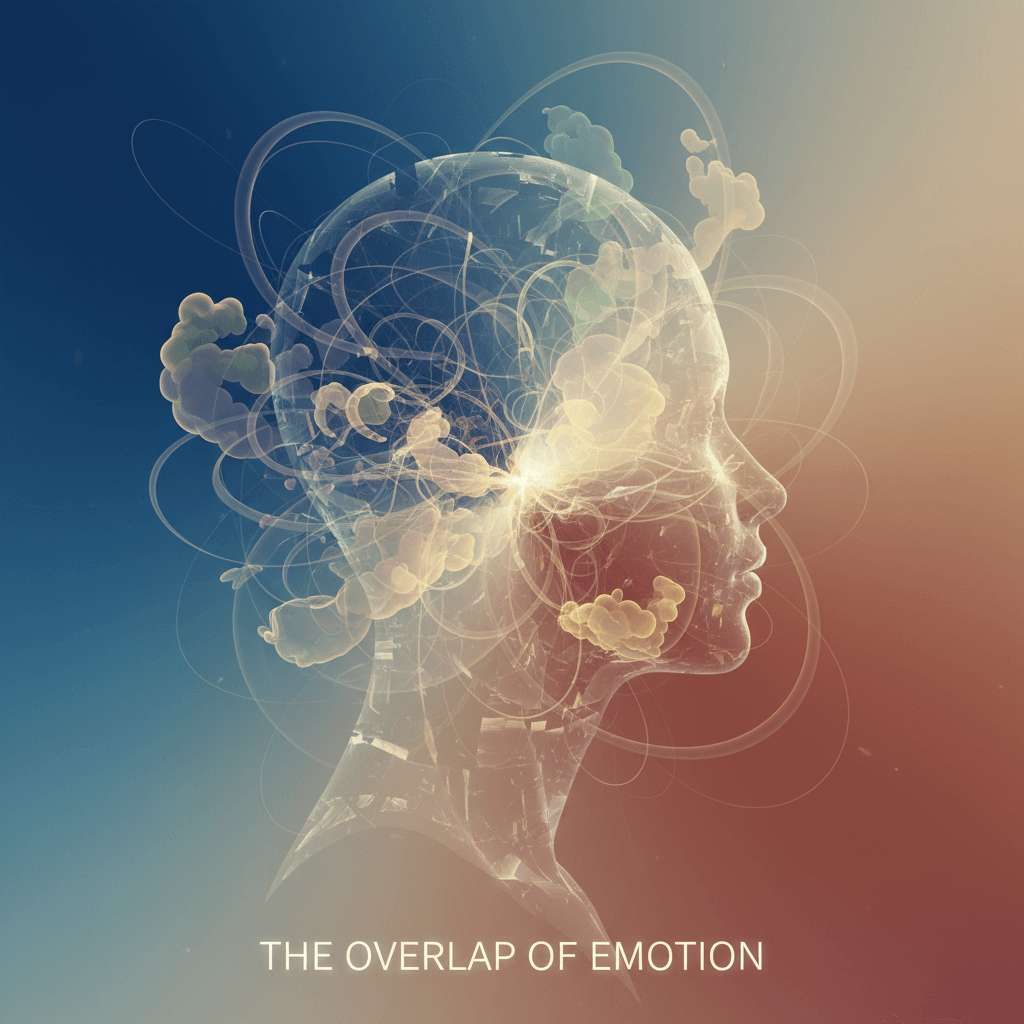
Both overwhelm and anxiety activate similar neural pathways, including the amygdala (the brain’s alert system) and the prefrontal cortex (responsible for decision-making). This narrowed focus can be helpful in short bursts but becomes draining when sustained.
The World Health Organization estimates that more than 300 million people worldwide live with chronic anxiety. At the same time, surveys from Harvard Business School suggest that approximately 60 percent of workers report feeling overwhelmed weekly. Observing how often stress arises and how quickly you recover can help you distinguish between the two.
One pattern worth naming that the research reflects but clinical advice often undersells: overwhelm and anxiety do not always present sequentially, with one neatly resolving before the other begins. For many adults, particularly those managing sustained high demands across work, caregiving, and personal life, they coexist. Overwhelm that goes unaddressed long enough creates the conditions for anxiety to take hold, and anxiety makes ordinary demands feel more overwhelming than they are. By the time someone seeks support, they are often navigating both simultaneously. The practical implication is that the self-assessment tools in this article are useful starting points, not definitive diagnoses. If the picture is unclear, that ambiguity is itself information worth bringing to a professional rather than resolving alone.
Practical Ways to Manage Each State
When You Feel Overwhelmed
- Simplify Inputs
Reduce multitasking. Stanford research indicates that frequent task-switching increases errors and mental fatigue. - Create Micro-Goals
Break larger tasks into five-minute steps. Each completion provides a small dopamine boost, reducing urgency and building momentum. - Regulate Your Breathing
Try inhaling for four seconds and exhaling for six to activate the vagus nerve and promote calm. - Permit Yourself to Pause
Rest is a restorative strategy, not a failure.
For gentle routine ideas, see Morning Routines for Well-Being (Without the 5 A.M. Hype).
For adults whose overwhelm has accumulated over a longer period rather than spiking around a single deadline, our coverage of burnout recovery addresses what the evidence shows actually restores depleted capacity versus what merely delays the reckoning.
When Anxiety Persists
- Track Patterns
Record symptoms for two weeks. If sleep, concentration, or relationships are affected, consider sharing your observations with a healthcare professional. - Practice Cognitive Reframing
Ask yourself, “What else could be true?” This cognitive-behavioral technique, supported by APA frameworks, can reduce catastrophic thinking. This cognitive-behavioral technique, supported by APA frameworks, can reduce catastrophic thinking. For those who want structured tools to practice this independently, our guide to CBT worksheets and structured anxiety tools reviews the best available digital and printable resources. - Move Your Body
Physical activity has been shown in NIH meta-analyses to reduce anxiety symptoms by 20 to 30 percent. - Seek Social Support
The Harvard Study of Adult Development highlights that meaningful connections reduce stress reactivity. Speaking openly can ease isolation.
Overcoming Common Barriers
“I should handle this alone.”
Independence is valuable, but professional support is a proactive health choice. The WHO Let’s Talk campaign encourages early mental health conversations as routine care.
“I don’t have time for help.”
Telehealth services and employee assistance programs now offer flexible access to support. Even brief check-ins can be beneficial.

Building Resilience Between Episodes
Protect Your Sleep
Insufficient sleep can intensify anxiety symptoms within days. Harvard Health recommends maintaining a consistent schedule and aiming for seven to nine hours nightly.
Nourish Your Body
Balanced meals containing whole grains and protein help stabilize blood sugar and mood, according to Mayo Clinic guidance.
Practice Mindful Moments
Five minutes of daily meditation supports emotional regulation, as noted by NIH NCCIH research. For guided exercises, explore Micro-Moments of Calm: How Everyday Mindfulness Can Soothe Stress and Steady the Heart.
When to Seek Professional Help
If persistent worry, fatigue, or physical symptoms interfere with daily life, consult a licensed therapist or physician. If persistent worry, fatigue, or physical symptoms interfere with daily life, consult a licensed therapist or physician. Our dedicated guide to when to seek professional support for anxiety offers specific markers to help you make that decision with more confidence and less second-guessing.
Conditions such as generalized anxiety disorder and panic disorder are common and treatable. Evidence-based therapies including cognitive behavioral therapy, acceptance-based approaches, and structured breathing interventions demonstrate strong effectiveness in NIH and APA reviews.
If you ever feel unsafe with your thoughts, contact the 988 Suicide and Crisis Lifeline in the United States or access global resources through the WHO directory at findahelpline.com.
Insight: From Overload to Awareness
Overwhelm signals a need for rest. Anxiety without a clear cause signals a need for additional support. Both are meaningful messages from your nervous system.
When you recognize where stress ends and anxiety begins, you gain the clarity to respond compassionately whether that means postponing commitments or consulting a professional.
Peace is not the absence of stress; it is knowing which response fits the moment. For more on sustaining emotional balance, read Emotional Hygiene: Daily Habits That Protect Your Peace.
Summary
Distinguishing between temporary overwhelm and persistent anxiety empowers you to respond appropriately rest for one, seek care for the other. Research from WHO, CDC, NIH, APA, and Harvard Health consistently shows that understanding your stress response and building steady habits supports long-term emotional well-being.
This article is for general educational purposes only and is not a substitute for professional medical or mental health advice. Consult qualified healthcare providers for personalized guidance.