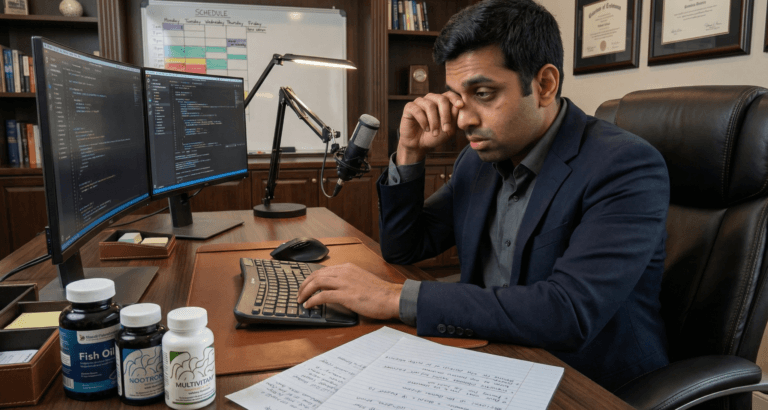

We brush our teeth to protect them but when did you last “brush” your emotions?
In the chaos of work and family life, we often clean our phones more than our minds. Yet emotional hygiene caring for feelings with the same consistency we give physical health can strengthen resilience, relationships, and long-term wellbeing. Mental-health experts from the American Psychological Association (APA), World Health Organization (WHO), and Harvard Health all emphasize that simple, regular emotional-care routines may help prevent more serious distress later.
Protecting your peace is not a luxury; it is a healthy daily maintenance plan.
At LubDubSmile, we think the framing of emotional hygiene as maintenance rather than treatment is one of the more useful shifts in how preventive mental health is being communicated. Too often, emotional care gets positioned as something you pursue after a crisis rather than something you sustain to reduce the likelihood of one. The evidence reviewed here reflects that more grounded understanding. We are not presenting emotional hygiene as a cure for clinical conditions. We are presenting it as a legitimate, research-supported daily practice with measurable benefits for the nervous system, the immune response, and the quality of everyday relationships.
The Science of Emotional Hygiene
According to the WHO’s World Mental Health Report (2022), around 1 in 8 people globally live with a mental health condition but preventive habits can reduce vulnerability. The same way flossing prevents cavities, emotionally hygienic routines may protect us from prolonged anxiety and the kind of accumulated depletion that makes burnout recovery a longer, harder road.
Harvard Health Publishing explains that chronic stress raises cortisol, which over time impairs immune regulation, focus, and mood. Repetitive stress without recovery can rewire brain regions linked to threat detection, making us more reactive to ordinary problems, a pattern that often blurs the line between anxiety and overwhelm in daily life.
Practicing emotional hygiene introduces recovery cycles for your nervous system. The NIH National Center for Complementary and Integrative Health describes these as gentle mind–body resets that support emotional balance through mindfulness, breathing, or compassion-based exercises. Even short interventions 5 to 10 minutes can signal safety to the brain and activate the parasympathetic (“rest and digest”) system.
The habits outlined in this section are genuinely accessible, and the research behind them is credible. But there is a distinction worth making explicit: the evidence supporting micro-practices like affect labeling, breathing resets, and self-compassion exercises is strongest for people managing everyday stress and mild emotional strain. For those carrying grief, chronic anxiety, trauma, or significant mood disruption, these practices may offer some relief at the margins but are not a substitute for professional support. We flag this not to diminish what follows, but because the adults most likely to be reading about emotional hygiene are often those managing the most, and they deserve an honest account of what these tools can and cannot do.
Core Habits to Protect Your Emotional Health
- Name Your Feelings to Tame Them
Labeling emotions engages the prefrontal cortex the brain’s logic center which calms the limbic response (fight, flight, or freeze). A study in the journal Psychological Science found that “affect labeling” reduced amygdala activity during stress.
Try this: When tension arises, pause and phrase it precisely: “I feel overwhelmed,” or “I’m disappointed.” Naming emotions replaces vague unease with clarity, and it is one of the foundational steps in building stronger emotional regulation skills over time.

- Schedule Mini Pauses for Mental Reset
Research supports micro-breaks of 1 to 5 minutes every hour to reduce stress and improve performance, and the practical mechanics of building those pauses into a real day are explored in detail in our guide to micro-moments of calm.
Everyday practice:
- Step outside or look at a distant object for 60 seconds.
- Take slow breaths inhale for 4 seconds, exhale for 6.
- Stretch your shoulders or walk a few steps.
Tiny resets repeated through the day accumulate like mental dividends.

- Use Healthy Digital Boundaries
Endless notifications keep the nervous system on mild alert. Harvard Medical School’s Digital Wellbeing initiative Newsletter shows that constant scrolling disrupts attention and mood regulation, and for those looking to build more structured relief, our guide to screen-time boundaries offers realistic, non-extreme approaches.
Small shifts that help:
- Silence alerts for set blocks.
- Keep one screen-free activity like meals or morning walks.
- Replace doom-scrolling at night with music or low-light stretching.
Your brain rests easier when not braced for the next “ping.”
- Practice “Psychological First Aid” for Yourself
The American Red Cross and WHO developed Psychological First Aid (“PFA”) for crisis contexts, yet its principles work in daily life too.
Three gentle steps:
- Look Notice when you’re mentally fraying (hungry, angry, lonely, tired).
- Listen Acknowledge your feelings without judgment.
- Link Connect with helpful resources or people.
Real-life example: After a draining call, take five minutes to walk or message a trusted friend instead of doom-scrolling. That small “link” prevents prolonged rumination.

- Balance Input and Output
Constant giving with no restoring activities drains emotional reserves. The APA’s stress guidelines advise intentional recovery: creative play, movement, or quiet time.
Ask: “What fills my energy tank?”
Possible answers include music, gardening, laughing with friends, or simply sitting in silence. Ten deliberate minutes of joyful input each day recalibrate balance.
- Cultivate Self-Compassion
Being kind to yourself is not self-indulgence; it promotes motivation and health. Research from Stanford’s Center for Compassion and Altruism shows that self-compassionate people tend to cope better with failure and maintain healthier lifestyles.
Harvard Health adds that self-criticism triggers the same stress pathways as external threats.
Daily practice: When you notice self-judgment, pause and rephrase mentally: “I’m learning,” or “I did my best today.” Gentle words steady the mind more than perfectionist ones.

Overcoming Real-Life Barriers
“I don’t have time.” Try “habit stacking.” Clip micro-habits to things you already do (brush teeth → deep breath; coffee → gratitude note). Research from Harvard Behavior Change Lab shows this pairing boosts consistency.
“I forget until it’s too late.” Use visual reminders sticky notes saying “Pause” on your monitor or phone lock screen.
“I don’t want to seem weak.” WHO mental-health campaigns (“MindKind,” 2023) show that viewing emotional hygiene as strength reduces stigma. Public figures openly discussing therapy and mindfulness are helping normalize care as courage.
Integrating Emotional Hygiene with Overall Wellness
Emotions affect the entire body. Chronic stress may elevate blood pressure and impair sleep, and for those whose anxiety most often surfaces at night, our dedicated guide to emotional hygiene and sleep addresses that overlap directly NIH Heart, Lung and Blood Institute. By contrast, regular emotional reset habits can improve focus, digestion, and immune function through stress-hormone balance.
Pair mental care with other fundamentals: move daily (WHO: 150 minutes moderate activity weekly), eat whole foods, and sleep 7–9 hours. These foundations work in concert to stabilize mood and resilience.
Closing Insight: Peace as a Practice
Peace isn’t a lucky mood; it’s a trained skill. Every day you pause, label a feeling, or log off for five minutes, you’re brushing away mental plaque before it hardens.
Over weeks and years, these simple acts build an environment of inner safety where stress can land softly and move on without damage. Think of emotional hygiene as the gentlest form of strength training for your peace of mind.