
Habits That Support Healthy Aging Without Obsession
Healthy aging without obsession starts with recognizing the difference between caring about your health and being consumed by it. If you’ve read our previous piece on healthy aging in your 30s and 40s, you already know the foundational practices that evidence supports regular movement, quality sleep, whole foods, stress management, preventive screenings. This article isn’t going to repeat that list.
This article is about something different: how to actually live those principles without losing your mind in the process.
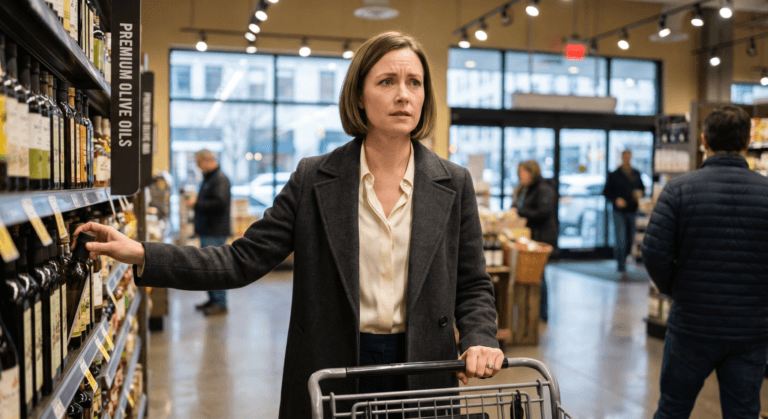
Because somewhere between “take care of your health” and “optimize every biomarker for maximum longevity,” many people have gotten lost. They’re anxious about their glucose response to a banana. They feel guilty for skipping a cold plunge. They’ve spent more mental energy this week calculating omega-3 intake than talking to someone they love. None of that anxiety is making them healthier.
The Problem With “Optimized” Aging
When the Medicine Becomes the Illness
The wellness industry has done something quietly remarkable: it has taken legitimate health science and wrapped it in enough anxiety, complexity, and product recommendations that the pursuit of health has itself become a source of stress for many people.
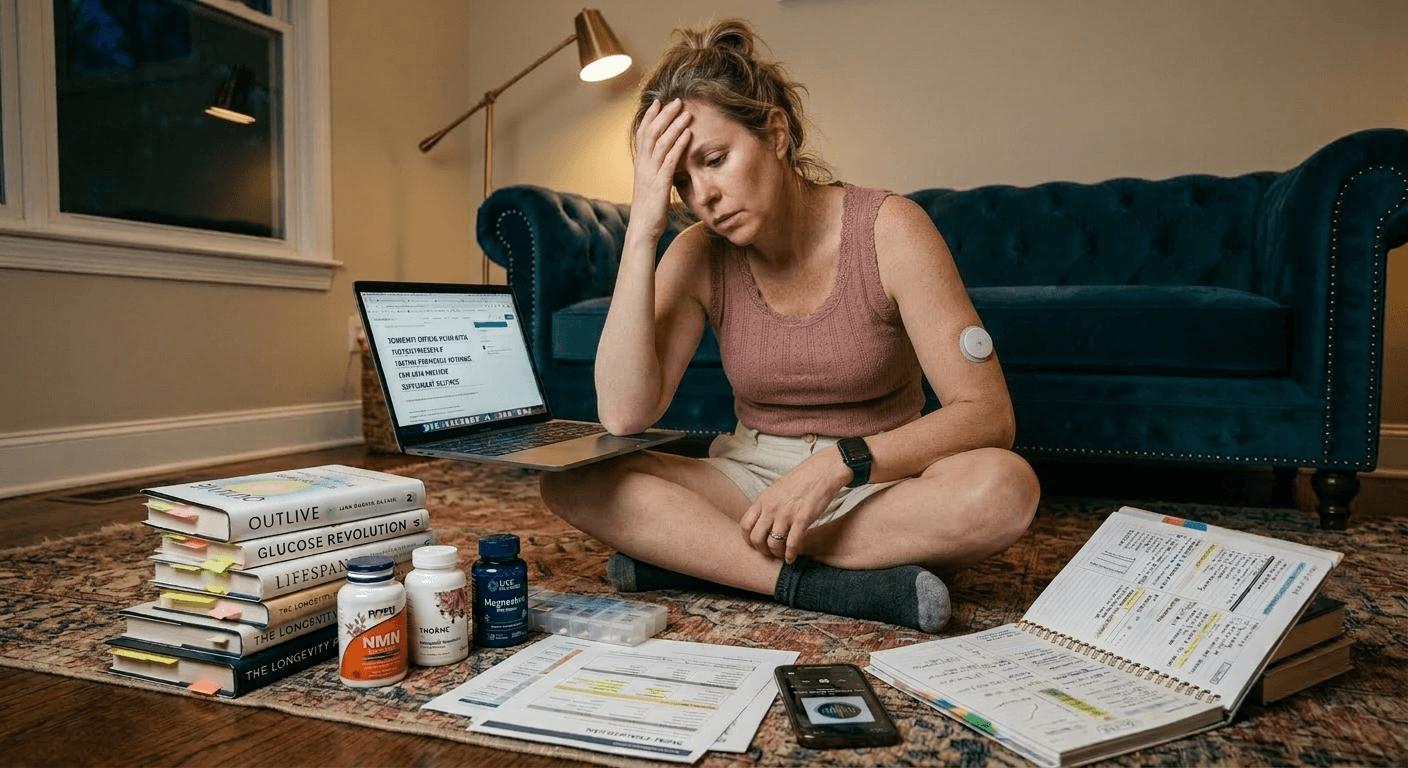
Scroll through longevity content for twenty minutes and you’ll encounter continuous glucose monitors for people without diabetes, supplement stacks with fifteen to twenty compounds, elaborate morning protocols lasting ninety minutes, and warnings that if you’re not optimizing right now, you’re aging wrong.
This isn’t science. It’s anxiety monetization with a peer-reviewed veneer. Healthy aging without obsession requires recognizing this pattern.
The actual science of healthy aging drawn from large-scale longitudinal studies and research into populations that age well tells a considerably less complicated story. People who live long, healthy, functional lives don’t tend to be the ones with the most sophisticated protocols. They move regularly in natural ways, eat mostly whole foods without tracking macros and sleep adequately and stay connected to community.
Diminishing Returns and Rising Costs
There’s another problem with optimization culture beyond the anxiety it generates: returns diminish rapidly as you move from baseline health to advanced optimization, while costs financial, mental, social increase substantially.
The difference between someone who exercises not at all and someone who walks thirty minutes most days is enormous in terms of health outcomes. The difference between daily walking and a highly periodized training protocol with heart rate zone training is considerably smaller and for most adults, not meaningfully worth the additional complexity.
The same pattern holds across nutrition, sleep optimization, and supplementation. Biggest gains come from moving out of harmful patterns into reasonable ones. Beyond that threshold, you’re often paying more in money, stress, and mental bandwidth for marginal returns that may not even be detectable in quality of life.
What We Actually Know vs. What Gets Marketed
The Harvard Study of Adult Development, one of the longest-running studies on human wellbeing, found that quality of relationships at midlife was the strongest predictor of health and happiness in later life more predictive than cholesterol levels, exercise habits, or social class. Social connection isn’t a soft wellness concept. It’s arguably the most powerful longevity intervention available, costs nothing, and gets almost no attention in optimization content because you can’t sell it as a supplement.
Research into Blue Zones populations with unusually high rates of centenarians consistently finds similar simple patterns: natural movement embedded in daily life, whole food diets without rigid rules, strong social bonds, sense of purpose, and stress-reduction practices embedded in culture rather than scheduled as protocols.
Healthy aging without obsession aligns naturally with what these populations demonstrate sustainable practices integrated into enjoyable daily life.
What the Evidence Actually Supports
The Non-Negotiables
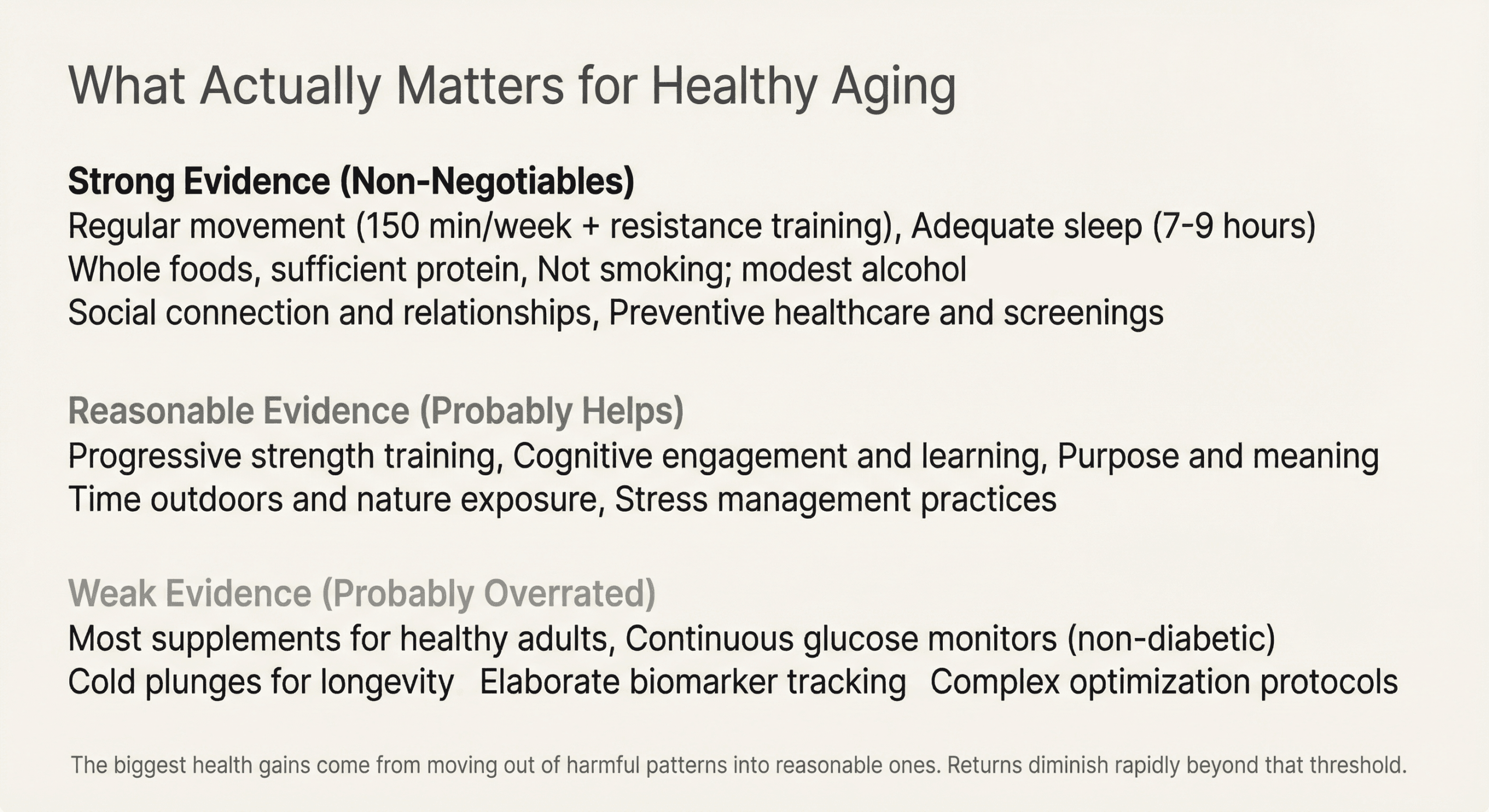
Certain practices have such strong, consistent evidence across multiple studies and populations that dismissing them would be genuinely unwise. These aren’t optimization they’re foundation for healthy aging without obsession.
Regular movement combining cardiovascular activity and muscle-challenging exercise appears across virtually every positive aging outcome. The CDC recommends roughly 150 minutes of moderate activity weekly plus resistance work achievable in ways that fit real life without elaborate programming.
Sleep adequacy seven to nine hours for most adults is as close to non-negotiable as aging research offers. Chronic sleep restriction accelerates biological aging across multiple systems. No supplement or protocol compensates for it.
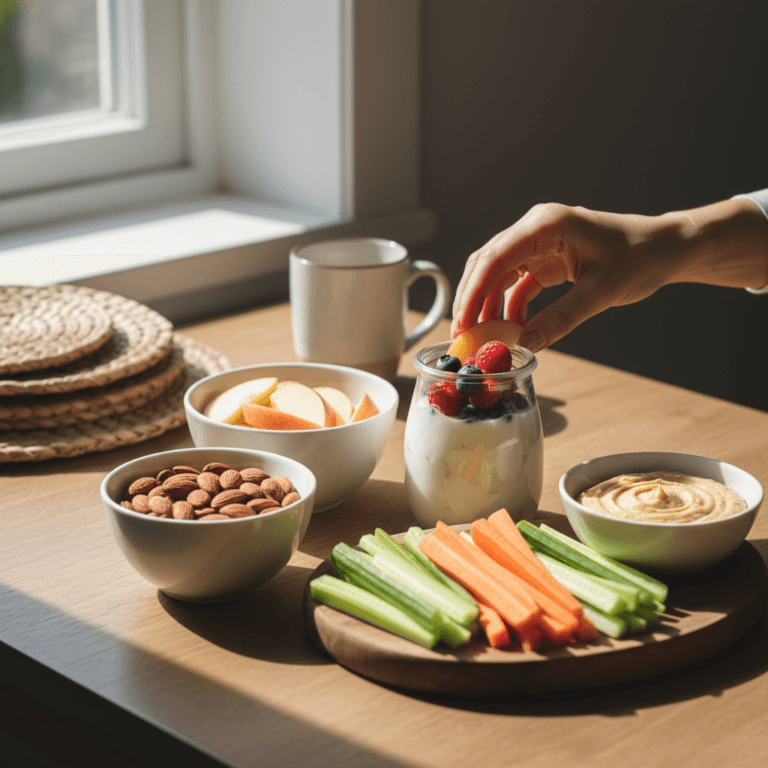
Nutritional adequacy emphasizing whole foods, sufficient protein, vegetables, fruits, and healthy fats has consistent evidence. This doesn’t require tracking, restriction, or following any named diet protocol.
Not smoking and drinking modestly if at all have clear, substantial evidence. These matter more than most supplements people spend significantly more time and money on.
Preventive healthcare age-appropriate screenings, managing existing conditions, routine dental and vision care matters in ways no lifestyle optimization replaces.
What Probably Helps
Beyond the non-negotiables, several practices have reasonable evidence supporting healthy aging without obsession:
Strength training becomes increasingly important through your 40s and 50s, when muscle and bone density decline accelerates. This doesn’t require a gym bodyweight exercises, resistance bands, carrying heavy groceries all count. The key is progressively challenging muscles consistently.
Cognitive engagement learning new things, intellectually stimulating hobbies, staying mentally active is associated with cognitive resilience in later life. This means reading, learning an instrument, taking on new challenges rather than brain-training apps, which have weak evidence.
Purpose and meaning consistently emerge in aging research as protective factors. People with strong reasons to get up in the morning tend to age better across multiple measures.
Time in nature and sunlight exposure has accumulating evidence for mood, sleep quality, and stress regulation. Practicing emotional hygiene alongside time outdoors supports this natural stress reduction.
What’s Probably Overrated
Supplements for Healthy Adults
If you don’t have a documented deficiency, most supplements have weak evidence for benefiting healthy adults. The supplement industry is largely unregulated, and claims often extrapolate from animal studies to healthy general populations.
Vitamin D supplementation makes sense if you’re deficient (testing before supplementing is reasonable). Omega-3s may provide modest cardiovascular benefits, particularly if you don’t eat fish regularly. B12 matters if you’re over fifty, vegan, or have absorption issues.
Beyond addressing genuine deficiencies, evidence for supplement-driven healthy aging without obsession in adults with adequate nutrition is thin. Understanding the supplement stacking problem can help you evaluate whether complex supplement regimens serve your health or your anxiety.
Continuous Glucose Monitors for Non-Diabetic Adults
Wearing a continuous glucose monitor without diabetes or prediabetes has become a biohacking trend. The logic sounds scientific: understand your metabolic response, optimize your eating.
The reality is more complicated. Glucose variability in healthy people is normal and not necessarily clinically meaningful. Watching normal post-meal glucose rises can generate anxiety about perfectly healthy foods. Several metabolic health researchers have questioned whether this practice provides actionable benefit for non-diabetic adults.
Cold Plunges and Hormetic Stressors
Cold exposure has genuine physiological effects norepinephrine release, vagal activation, potential stress resilience benefits. What it lacks is strong evidence for meaningful longevity benefit in humans.
Both cold plunges and sauna use may be genuinely enjoyable personal habits. The concern isn’t whether they have any benefit it’s whether the outsized attention they receive is proportionate to their evidence, and whether people feel inadequate because they don’t do them. Healthy aging without obsession means evaluating practices by evidence, not popularity.
Elaborate Tracking and Quantification
Tracking certain health metrics can be useful, particularly when managing a condition. Tracking as a general optimization approach, however, can create anxiety, perfectionism, and a complicated relationship with your body’s natural signals.
If you find yourself anxious when your wearable shows suboptimal recovery scores, or unable to enjoy a meal because you’re mentally calculating its impact, the tracking may be generating more stress than health benefit.
The Minimum Effective Dose Approach
What Would a Doctor Who Actually Cares Recommend?
Imagine a primary care physician with no supplements to sell, no protocol to promote, no optimization brand to maintain. What would they actually tell a generally healthy adult wanting to age well?
Move regularly in ways you’ll sustain. Eat mostly whole foods and enough protein. Sleep seven to nine hours. Don’t smoke. Drink modestly or not at all. Manage stress in whatever ways actually work for you. Stay connected to people you care about. Keep up with age-appropriate screenings. See them if something changes or concerns you.

That’s largely it. The gap between this simple list and elaborate marketed protocols is filled not primarily with science, but with anxiety and commerce. Healthy aging without obsession means trusting this simpler approach.
When “Good Enough” Is Actually Good Enough
For a generally healthy adult, consistently practicing foundational habits likely captures the majority of what’s achievable through lifestyle. The remaining optimization gains if real at all are marginal relative to the cost in time, money, mental energy, and quality of life.
The 80% of benefit from sustainable foundational practices is more valuable than the theoretical remaining 20% requiring elaborate, expensive, anxiety-generating protocols you may not sustain anyway.
When More Attention Is Medically Necessary
This article’s permission-giving stance comes with a critical caveat stated clearly.
For generally healthy adults, moderate sustainable practices likely serve you well. The obsession with optimization is often disproportionate to actual risk.
For adults with specific health conditions, significant family history, or established risk factors, more attention may be genuinely appropriate and resisting it could be harmful.
If you have type 2 diabetes or prediabetes, careful nutrition and blood sugar attention matters clinically. Significant cardiovascular risk factors warrant more structured management with healthcare providers. Osteoporosis requires active, targeted intervention. Cancer survivors have monitoring needs differing from the general population.
The difference between obsession and appropriate medical attention is whether focus is proportionate to your actual risk profile as assessed by qualified healthcare providers not wellness influencers or your own health anxiety.
Understanding when to seek professional support helps distinguish between appropriate health engagement and anxiety-driven over-management.
Signs Your Health Focus Has Become Unhealthy
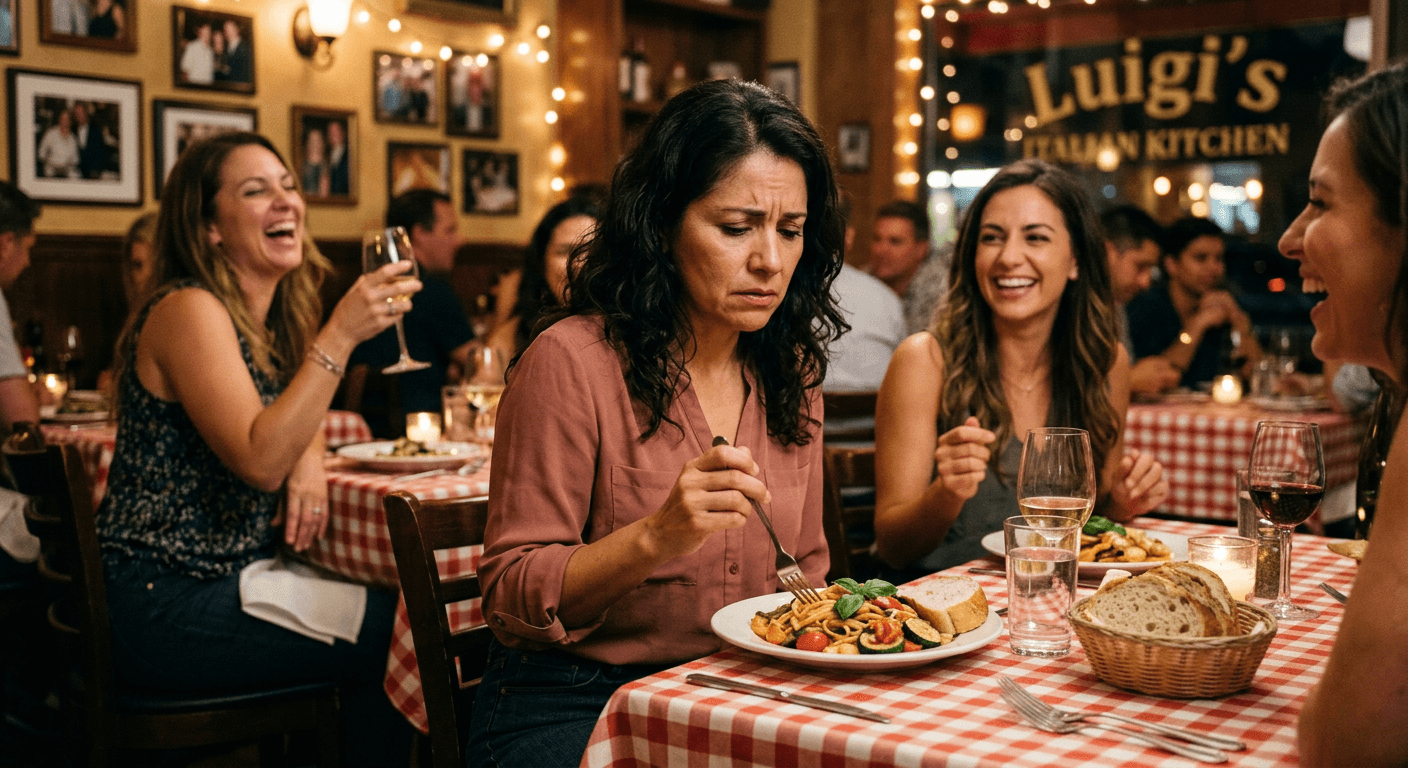
There’s a meaningful difference between caring about health and being controlled by it. Some indicators that health focus may be causing more harm than good:
Anxiety about health exceeds actual health risk. If you’re generally healthy but spending significant daily mental energy worrying about aging, that anxiety is itself a health cost.
Eating has become stressful rather than nourishing. Guilt after meals that don’t meet “clean” standards, dread of social eating, or spending more time on nutrition rules than enjoying food warrants examination.
Health practices cause social isolation. If dietary rules prevent eating with family, exercise compulsion overrides social commitments, or health routines displace the relationships research shows matter most for longevity, the intervention is undermining what it’s trying to protect.
You can’t enjoy life because of health rules. If pursuing health optimization prevents enjoyment of the life you’re supposedly extending, the cost-benefit calculation has gone seriously wrong.
If these patterns resonate, speaking with a therapist particularly one familiar with health anxiety or disordered eating provides perspective beyond any article’s scope. Building emotional regulation skills can also support a healthier relationship with health information.
Integrating Health Into Life
Habits That Fit Your Actual Life
The best health habit is one you actually maintain consistently without suffering. A walking habit sustained for twenty years delivers more benefit than an optimized training protocol you burn out on after three months.
This means choosing movement you genuinely don’t hate, eating patterns that satisfy rather than requiring constant restriction, sleep practices that don’t generate anxiety when imperfect, and stress management that actually reduces stress. Healthy aging without obsession means flexibility and imperfection aren’t failures they’re features of sustainability.
A Sane Relationship With Longevity Information
New health studies emerge constantly. Maintaining equanimity requires some ground rules:
Single studies rarely change what you should do. Robust evidence comes from multiple well-designed studies pointing in the same direction over time.
Consider who’s sharing information and what they’re selling. Researchers publishing in peer-reviewed journals have different incentives than influencers with supplement affiliates.
When in doubt, ask your doctor. Not a wellness influencer, not a longevity podcast, not a comment section. The person who knows your actual health history.
Accept that health uncertainty is permanent. We don’t know everything about aging. Some current beliefs will turn out to be wrong. Accepting uncertainty allows reasonable decisions based on current best evidence without needing certainty you won’t get.
Frequently Asked Questions
Am I doing enough for healthy aging if I’m not optimizing?
Almost certainly yes, if you’re covering foundational practices. Regular movement, adequate sleep, mostly whole foods, not smoking, modest alcohol, social connection, and age-appropriate healthcare cover the vast majority of what evidence supports. The gap between this and elaborate optimization protocols is smaller than the longevity industry suggests.
How do I know if my health habits are balanced or obsessive?
A useful question: Is my health focus supporting my ability to enjoy life, or restricting it? Do practices fit into my life, or has life been reorganized around them? Do health thoughts cause significant anxiety regularly? If genuinely uncertain, a therapist or healthcare provider offers better perspective than self-assessment.
Should I track my health metrics and biomarkers?
Tracking is useful when providing actionable information without generating disproportionate anxiety. Monitoring blood pressure with elevated readings, tracking blood sugar with prediabetes, understanding general sleep patterns these can be genuinely useful. Obsessively tracking dozens of metrics when generally healthy often generates anxiety without proportionate benefit.
What if my doctor recommends more intensive approaches?
Follow your doctor’s guidance. This article’s anti-obsession message applies to generally healthy adults pursuing optimization beyond what their health situation requires not to people with genuine medical needs. Medical recommendations based on your actual health profile supersede general wellness guidance.
Is it okay to not care that much about longevity?
Yes. Longevity is one value among many. Some people prioritize other things pleasure, adventure, connection, creative work and accept some health trade-offs in service of those values. That’s legitimate. Healthy aging without obsession recognizes that the goal isn’t maximizing lifespan at any cost but living well, which looks different for different people.
The Point Is Living Well
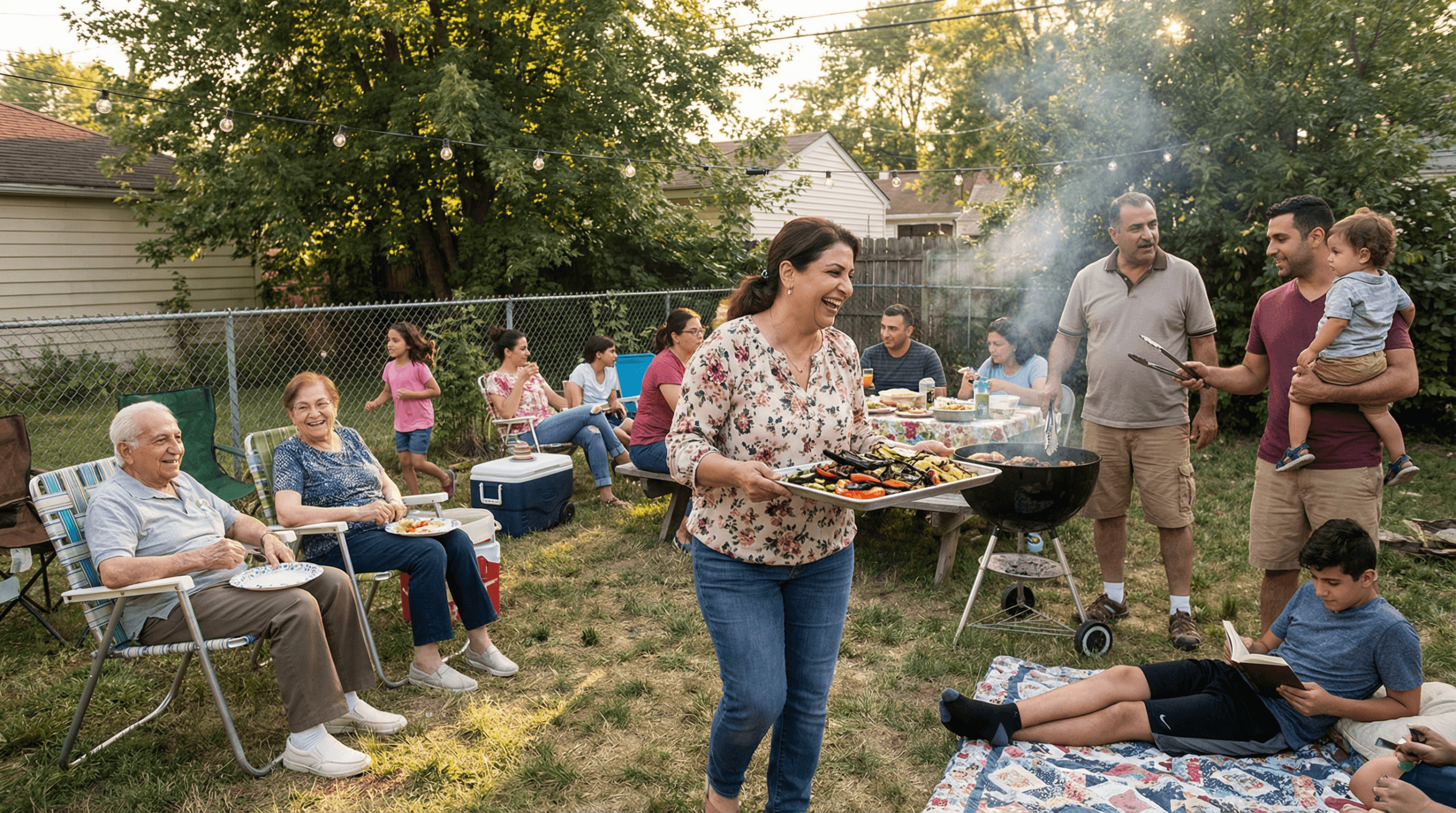
Healthy aging serves life. It’s not the point of life.
The foundational practices supporting healthy aging without obsession movement, sleep, nourishment, connection, purpose are valuable because they let you do things that matter: be present with people you love, pursue work and interests you care about, experience the world with energy and clarity. They’re means to living well, not ends in themselves.
The populations that actually age well tend to share something longevity content rarely emphasizes: they’re living lives worth living. They have community, purpose, pleasurable daily rhythms, and reasonable physical habits. They’re not running experiments on themselves. They’re just living well, consistently, and with other people.
You don’t have to be perfect to age well. Consistency, reasonably maintained over a long time, is available to most people without elaborate protocols, expensive supplements, or daily anxiety about whether you’re doing it right.
Healthy aging without obsession means trusting the strong evidence behind simple, sustainable practices: regular movement, adequate sleep, whole foods, social connection, not smoking, and appropriate medical care while recognizing that the elaborate optimization protocols marketed as essential science mostly serve commercial interests, generate anxiety, and deliver marginal returns that rarely justify their cost in money, mental energy, and the quality of the very life they claim to extend.
Individual health needs vary based on conditions, risk factors, and circumstances. Consult your healthcare provider for personalized guidance, and consider professional mental health support if health focus is generating significant anxiety or restriction.
This content is for educational purposes and does not substitute for professional psychological or therapeutic help.