
Growing Older Together: What Aging Means for Long-Term Couples
Aging as a couple brings a quiet, unannounced moment many long-term partners describewhen you look at the person across from you and feel two things simultaneously: profound love and the soft ache of time passing. The face you know better than your own has changed. So has yours. So has everything, really, except the fact that you’re still here, together.
Nobody quite prepares you for this chapter. Not the wedding vows, not the parenting years, not the decades of building a life side by side. Aging as a couple is its own terrain beautiful in ways that surprise you, difficult in ways that catch you off guard, and ultimately unlike anything that came before.
At LubDubSmile, we think this chapter of partnership deserves more honest coverage than it typically receives. The cultural conversation about aging couples tends toward one of two extremes: the idealized image of effortless, silver-haired contentment, or the clinical framing of decline and loss management. Neither captures what the research actually shows, and neither serves the adults living inside it. What the evidence suggests, and what we find worth saying clearly, is that long-term partnership in later life is a genuinely distinct experience with its own forms of difficulty, its own forms of richness, and its own requirements that are different from what earlier relationship stages demanded. This article is written for couples who want to understand that terrain honestly rather than be reassured by a version of it that doesn’t quite match what they’re actually experiencing.
The Journey You Didn’t Fully Expect
What Nobody Tells You About Aging as a Couple
Long-term partners often share a quiet admission: the aging years aren’t what they imagined. The romantic ideal two silver-haired people walking hand in hand into a peaceful sunset skips the harder details. Health scares arrive unexpectedly. Roles reverse without warning. Grief emerges for earlier versions of yourselves. Tuesday afternoons feel both ordinary and precious at once.
What actually unfolds is richer and more complex than any ideal and more worth understanding.
The Relationship You Built vs. The One You’re Living Now
The relationship you have at sixty isn’t the one you built at thirty. It has been shaped by everything you’ve been through together: children raised, losses survived, conflicts resolved or unresolved, dreams realized and released. This accumulated history is both your greatest foundation and, occasionally, your greatest complication.
Many couples find that patterns established decades ago how you handle conflict, whose needs get prioritized, what goes unspoken resurface with new urgency in later years. Retirement removes the buffer of busy schedules. Health challenges strip away distraction. What’s been quietly unaddressed becomes harder to ignore.
Understanding healthy conflict patterns can help couples address these resurfacing dynamics constructively.
Why This Chapter Can Be Beautiful
Research on long-term couples finds that relationship satisfaction often increases after children launch and careers conclude. Without the noise of earlier life stages, many couples rediscover each other. Conversations get deeper. Ordinary moments morning coffee, evening walks, simply being in the same room take on meaning they didn’t before.
This chapter of aging as a couple offers something earlier ones couldn’t: the particular intimacy of two people who have genuinely weathered time together.
Grief and Gratitude: Holding Both
Aging as a couple asks you to hold two truths simultaneously. You can grieve the younger bodies, the earlier energy, the relationship as it once was and feel genuine gratitude for what has endured and deepened. These aren’t contradictory; they’re both honest.
Couples who navigate this stage well tend to allow space for both. The grief isn’t a problem to be solved. Gratitude isn’t toxic positivity masking real loss. They coexist, and making room for both is part of what it means to age with emotional honesty.
How Bodies Change And What That Means for Partnership
Physical Changes Affecting Both Partners
Aging bodies change in ways that affect daily life and partnership: energy levels shift, sleep patterns change, physical capacity evolves, recovery takes longer. These changes aren’t signs of decline so much as evidence of a life fully lived though they require genuine adaptation.
When both partners are changing simultaneously, approaching those changes with curiosity rather than alarm helps. What does your partner need now that they didn’t need before? What do you need that you might not have needed a decade ago?
Understanding your preventive health screening options helps both partners navigate physical changes with informed confidence.
Navigating Hormonal Shifts
Hormonal changes affect both partners in different ways and on different timelines. Menopause can affect mood, sleep, physical comfort, and sexual desire. Andropause gradual testosterone decline can influence energy, mood, and sexual function. Neither process is simply a medical inconvenience; both affect the relational and emotional fabric of partnership.
Couples who talk openly about these changes rather than silently absorbing them tend to navigate aging as a couple with less distance and more compassion.
When Health Diverges
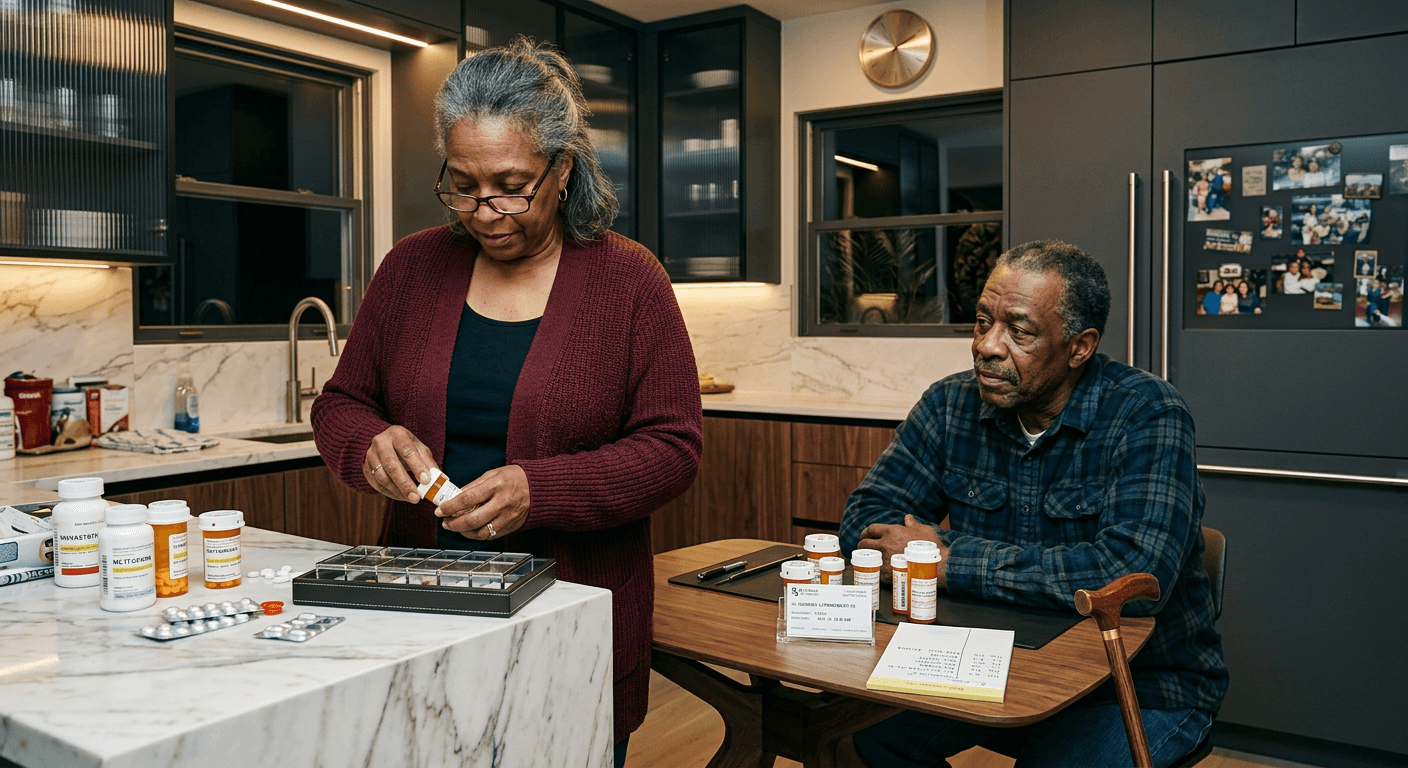
Perhaps one of the more quietly painful experiences of aging as a couple is when partners’ health trajectories diverge significantly. One partner remains physically active while the other faces chronic pain, illness, or limitation. This divergence can create guilt, grief, resentment, and tenderness often all at once.
Every couple’s journey is unique, shaped by health, history, and circumstances neither partner chose. What matters is how you meet the divergence: with honesty, flexibility, and continued investment in partnership despite changed circumstances.
When to Consult Healthcare Providers
Physical changes affecting intimacy, mood, energy, or daily functioning often have medical causes and sometimes medical solutions. Erectile dysfunction, vaginal changes, chronic pain, and medications affecting libido are real concerns with real clinical options. If physical changes are affecting your relationship during aging as a couple, consulting a healthcare provider is a worthwhile starting point.
Intimacy Evolution: Beyond the Physical
How Sexual Intimacy Changes Over Decades
Research on aging and intimacy consistently shows that sexual connection evolves rather than disappears. Frequency often changes. The nature of physical connection shifts. What feels meaningful may differ from earlier in the relationship.

This is normal, and it doesn’t indicate relationship failure. Research from the Gottman Institute suggests that many couples report satisfaction with their intimate lives in later years not because nothing changed, but because they adapted to aging as a couple.
Adapting Physical Connection
Adapting physical intimacy to changing bodies requires honest conversation, flexibility, and willingness to redefine what connection means. What worked physically at forty may need thoughtful adjustment at sixty-five. Some couples find this renegotiation opens unexpected dimensions of connection; others find it genuinely challenging. Both experiences are valid.
Non-Sexual Intimacy: Touch and Presence
Physical intimacy extends well beyond sex. Holding hands, physical closeness during daily routines, the comfort of familiar touch these expressions carry deep relational significance and often become more central as other forms of physical intimacy evolve during aging as a couple.
Many long-term couples report that non-sexual physical connection deepens in later years. It becomes less about performance and more about presence the simple reassurance of another body close to yours.
Emotional Intimacy as Foundation
Emotional intimacy genuinely knowing and being known by another person is the foundation that outlasts physical change. Couples who have invested in emotional closeness across decades often find that later life offers the greatest depth of real connection they’ve experienced.
Building and maintaining emotional safety in relationships supports this deepening intimacy.
Talking About Intimacy Changes
Physical intimacy has changed since the surgery, and neither of you knows how to talk about it. This silence common, understandable, and quietly corrosive grows in the space where honest conversation should be. These conversations are uncomfortable precisely because they matter.
Approaching them with gentleness, curiosity, and absence of blame opens possibilities that silence forecloses. Aging as a couple requires developing comfort with conversations that younger relationships rarely demand, and our piece on emotional intimacy in marriage addresses what happens when those conversations get deferred and what it takes to reopen them with honesty and without blame.
The Emotional Landscape of Aging Together
Facing Mortality Together
When a health scare forces conversations you’ve been avoiding for years, something often shifts fear, yes, but also unexpected closeness. Mortality, honestly faced together, has a way of clarifying what matters.
Long-term couples who engage honestly with aging and mortality often report that these conversations however difficult become some of their most meaningful. Fear of death loses some of its power when you face it alongside someone who knows your complete story.
Processing Losses Together
Aging accumulates losses: physical capabilities diminish, peers and family members die, independence that was once assumed requires active maintenance. Processing these losses as a couple rather than each in private builds a particular kind of intimacy during aging as a couple.
You’re allowed to grieve parts of your partner you’ve lost to time or illness. Grieving parts of yourself is equally valid. This grief isn’t disloyalty to what remains; it’s honesty about the fullness of the experience.
Practicing emotional hygiene can support both partners in processing these accumulated losses.
When Aging Triggers Depression or Anxiety
Aging can trigger genuine depression or anxiety in response to health changes, loss of capability, mortality awareness, social contraction, or cumulative grief. These aren’t character weaknesses or relationship problems; they’re real mental health concerns that benefit from professional support.
If you or your partner experience persistent sadness, anxiety, or withdrawal beyond ordinary adjustment, seeking professional support is worth taking seriously.
Gratitude Practices That Ground Couples
Many couples who age well together share a practice informal or intentional of noticing what’s still present rather than cataloging only what’s been lost. This isn’t toxic positivity; it’s deliberate attention. Research from Harvard on gratitude suggests that practices of mutual appreciation are associated with higher relationship satisfaction in later years.
Roles, Routines, and Identity Shifts
Retirement and Suddenly Being Together
Retirement brought you together 24/7, and after months of unexpected tension, you’re slowly learning to share space you’ve never had to share before. This adjustment catches many couples off guard during aging as a couple.
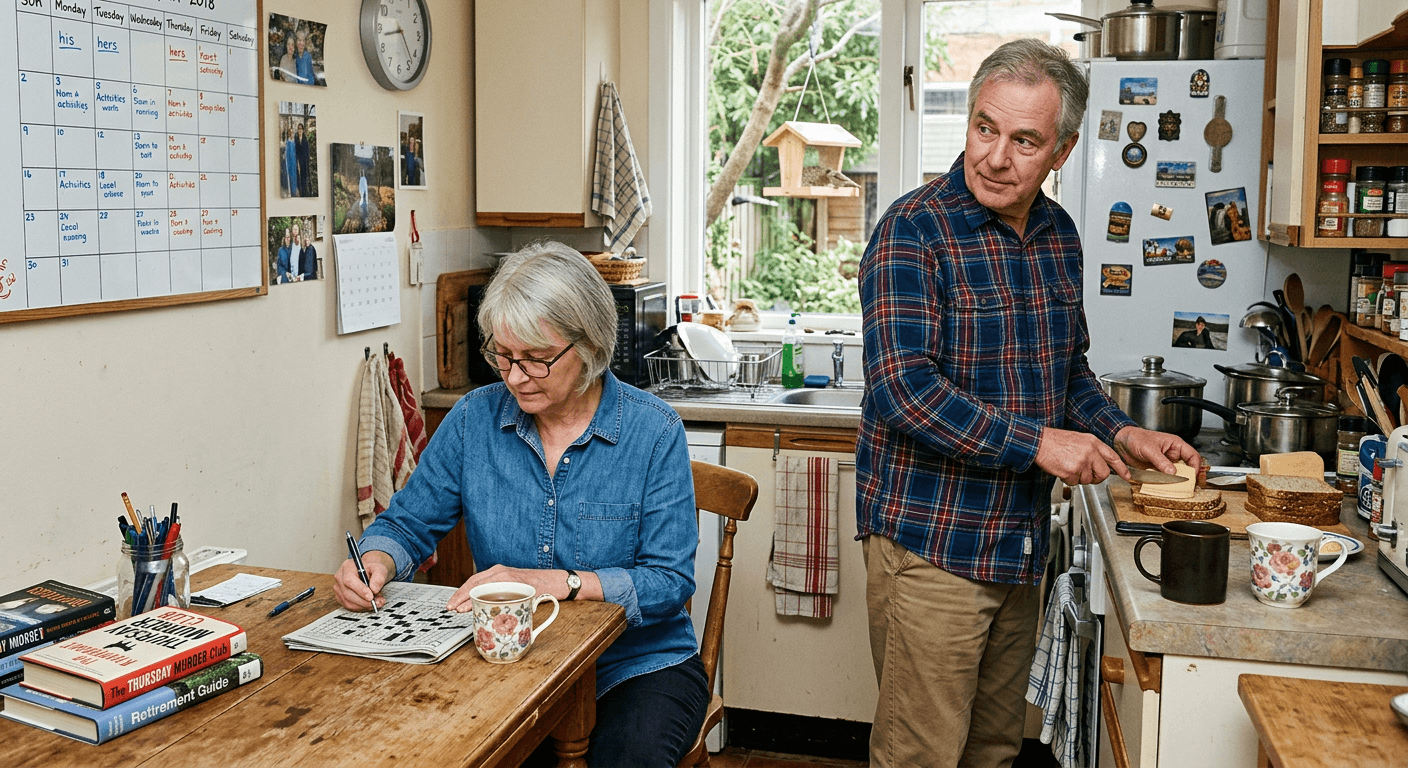
After decades of separate professional identities and structured time apart, constant togetherness requires deliberate renegotiation. This doesn’t signal relationship trouble it signals a transition needing attention and honest conversation.
When Roles Shift: Caregiver and Care-Receiver
Perhaps no transition reshapes a long-term partnership more profoundly than one partner becoming the other’s caregiver. The relational dynamic shifts in ways affecting both people: the caregiver assumes new responsibilities alongside their own needs; the care-receiver may feel grief, guilt, or loss of self-sufficiency.
Navigating these shifted roles while preserving the partnership requires ongoing, honest communication about what each person is experiencing during aging as a couple.
Maintaining Individual Identity
After decades together, individual identity and partnership identity can blur significantly. This closeness has genuine beauty and can also become limiting. Maintaining personal interests, friendships, and a sense of individual self tends to support both personal wellbeing and relationship health.
Exploring the process of reclaiming identity offers relevant frameworks, even for couples navigating later life transitions.
Avoiding Resentment in Role Transitions
Resentment grows when role transitions happen without acknowledgment, appreciation, or genuine conversation. The partner taking on more often needs their contribution recognized. The partner giving up roles often needs their loss acknowledged. Both experiences matter during aging as a couple.
Deepening Connection in This Chapter
What Long-Term Couples Know
There’s something that only comes from decades together: genuine, unhurried knowing. You know this person’s fears, the sound of their particular laugh, what their silences mean. You’ve been present for their worst moments and their finest ones. This kind of knowledge is irreplaceable.
Creating New Experiences Together
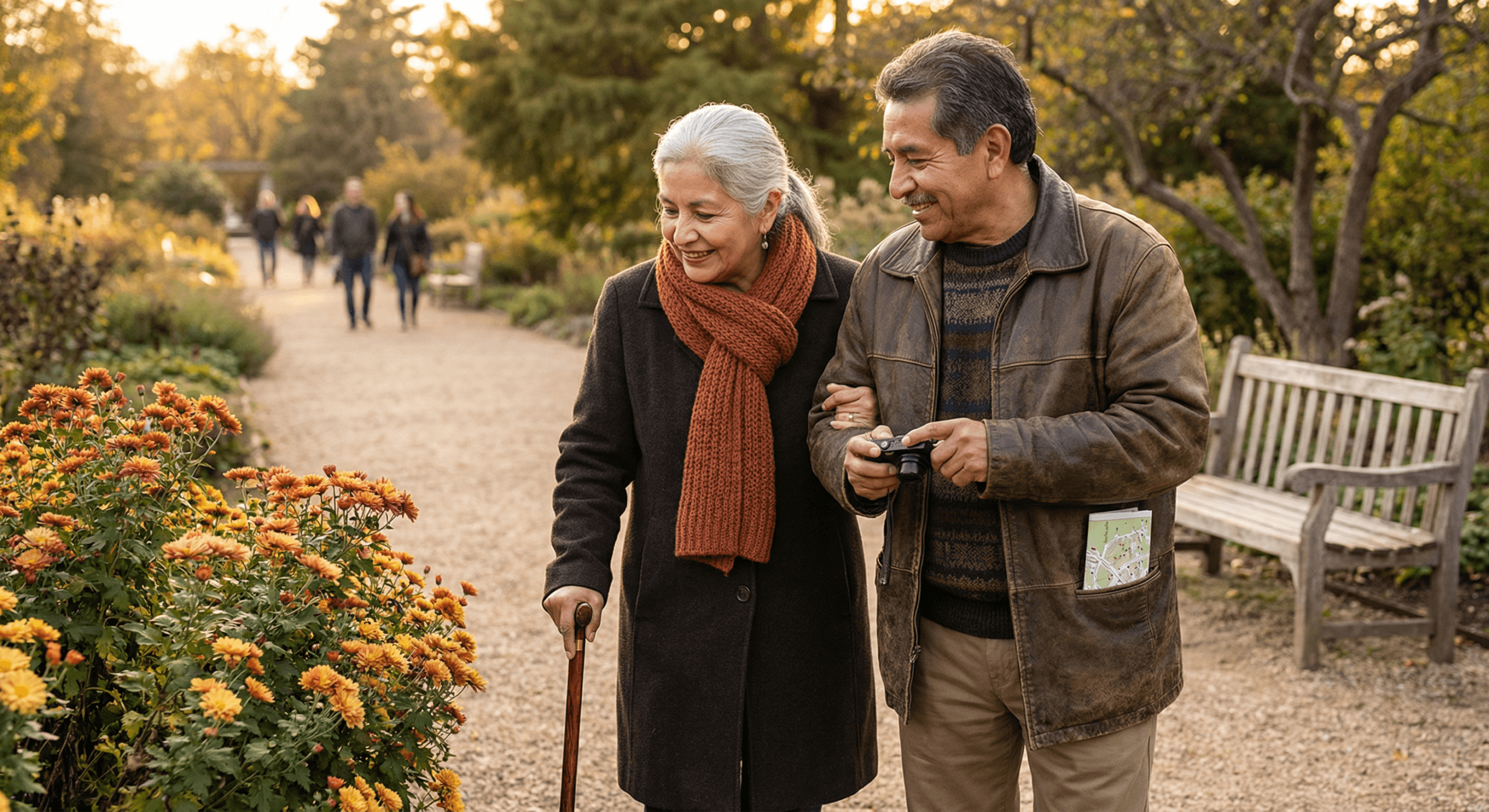
Some couples find that this chapter, freed from career demands and active parenting, offers unexpected opportunity: to travel somewhere they always intended to go, to learn something new together, to build routines centered around what genuinely matters. New shared experiences however modest create fresh memories and maintain partnership as a living, forward-moving thing.
Appreciation as Daily Practice
Decades together can make appreciation feel unnecessary your partner knows you love them. But expressing it regularly, specifically, and sincerely remains meaningful long after early romance has evolved into something steadier during aging as a couple. Noticing what your partner does, saying so, and meaning it costs nothing and matters greatly.
Laughter Despite Challenges
Couples who maintain their capacity for humor and playfulness often describe it as one of their most important relational assets. This doesn’t mean minimizing real challenges. It means preserving lightness that balances difficulty inside jokes spanning decades, the particular absurdity only you two would find funny, the ability to laugh on a hard day.
Understanding how couple communication strengthens connection supports this ongoing relational vitality.
The Hard Parts: Honest Conversations
When One Partner Resists Acknowledging Aging
Sometimes one partner resists acknowledging aging their own or the relationship’s. This resistance, understandable as it is, can prevent the honest adaptation that aging as a couple requires. Conversations about healthcare decisions, financial planning, and future care become harder when one partner refuses to engage.
Approaching a resistant partner with patience rather than pressure increases the likelihood of genuine engagement.
Financial Stress and Aging
Financial anxiety in later life is real and affects relationships. Healthcare costs, retirement security, estate planning, supporting adult children while managing your own needs these pressures create genuine stress surfacing as conflict within partnership.
Addressing financial concerns directly and collaboratively prevents financial anxiety from becoming chronic relational strain during aging as a couple.
Planning for Harder Times
Discussing care preferences, healthcare proxies, financial arrangements, and end-of-life wishes while both partners are healthy enough to engage fully is an act of love, not morbidity. Couples who have these conversations early often report unexpected closeness and peace of mind.
Caregiving Within Partnership
When Spouse Becomes Caregiver
The shift from partner to caregiver is one of the most significant transitions during aging as a couple. The risk is that the relationship becomes entirely defined by caregiver and care-receiver roles. Consciously protecting elements of the original relationship conversation, humor, shared memories, expressions of love preserves connection within changed circumstances.
Caregiver Burnout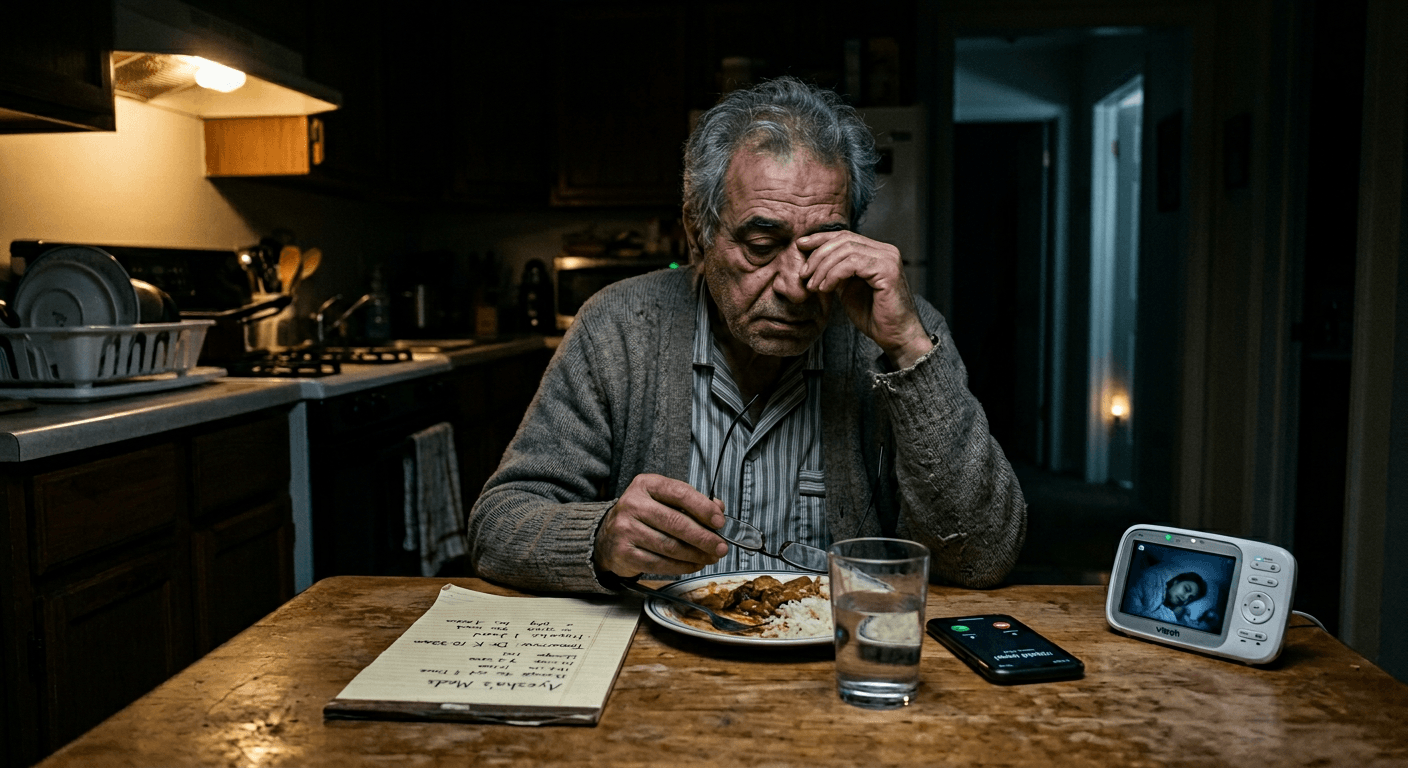
Research from the APA confirms that spousal caregivers face significant physical and emotional challenges. Caregiver burnout exhaustion, depression, erosion of self is real and serious. Protecting your own wellbeing isn’t selfishness; it’s sustainability.
Seeking outside support, whether through family, professional caregivers, or caregiver support groups, is wisdom rather than failure during aging as a couple.
The Love That Stays
There’s a particular quality to love that has endured illness, loss, role reversal, and the accumulated weight of years. It’s less about passion than presence. Less about excitement than steadiness. It’s the love that stays when everything else changes and there’s nothing quite like it.
It is worth being direct about something this section points toward but doesn’t fully name: the caregiver transition is among the most relationally underestimated challenges in aging partnership, and the gap between how couples imagine they will handle it and how it actually unfolds is often significant. Research on spousal caregiving consistently documents not only the physical and emotional burden on the caregiver, but the profound identity disruption for the care-receiver, who may be navigating simultaneous losses of independence, reciprocity, and a relational role they have occupied for decades. The partnership does not disappear in this transition. But it requires active, conscious effort to preserve its original character alongside the new functional demands, and most couples receive very little preparation or support for doing that. Naming this gap honestly is not pessimism. It is the kind of practical acknowledgment that allows couples to seek support before burnout or distance makes the reaching harder.
Frequently Asked Questions
Is it normal for our relationship to feel different after so many years?
Yes, completely. Relationships evolve across decades shaped by every stage you’ve moved through together. Feeling different doesn’t mean something is wrong. Many couples find their relationship genuinely deepens during aging as a couple. If differences feel like distance or disconnection, exploring that with a couples therapist is worthwhile.
How do we maintain intimacy when health challenges arise?
Physical intimacy often requires adaptation, but connection doesn’t require any specific physical capacity. Emotional closeness, non-sexual touch, honest conversation, and presence all contribute to intimacy during aging as a couple. If health is affecting your intimate life, consulting both a healthcare provider and possibly a sex therapist can open options.
How do we talk about hard topics like declining health or death?
Choosing calm, unhurried moments helps. Approaching the conversation as something you’re doing together rather than having at each other creates safety. Beginning with your own feelings (“I’ve been thinking about what I’d want if my health declined…”) often opens space for reciprocal honesty.
Can couples therapy help at this stage?
Absolutely. Research consistently shows that couples can build new communication patterns and deepen connection at any stage. The Gottman Institute’s research explicitly includes older couples in findings about relationship improvement. Therapy at this stage often focuses on adaptation, deepening, and honest preparation for what lies ahead.
Growing Older Together: A Different Kind of Love Story
Sometimes you miss who you both were, even as you’re grateful for who you’ve become together. Both feelings are true. Aging as a couple isn’t the love story of early romance or building a life. It’s a different kind quieter, often harder, and capable of a depth earlier chapters couldn’t quite reach.
What endures when everything else changes is surprisingly simple: the knowledge of each other. Familiar presence. Particular humor only you share. History belonging to no one else. These aren’t diminished by aging as a couple. Often, they’re clarified by it.
Aging as a couple demands continuous adaptation to changed bodies, shifted roles, evolved intimacy, and accumulated losses while the depth of genuine knowing, shared history, and steady presence that only decades together can build becomes the irreplaceable foundation that makes every difficult adjustment worthwhile.
If you’re navigating significant relationship challenges, health issues affecting intimacy, caregiver burnout, depression, or grief, please consider reaching out to a mental health professional, couples therapist, or healthcare provider.
This content is for educational purposes and does not substitute for professional psychological or therapeutic help.