
What Does Healthy Aging Really Mean in Your 30s and 40s?
Healthy aging in your 30s begins with noticing subtle shifts you hadn’t expected. Maybe recovery from workouts takes an extra day. Perhaps your metabolism seems slower despite eating the same way. You saw a photo of yourself and thought, “When did that happen?” Or your doctor mentioned your cholesterol is “borderline” for the first time, and suddenly preventive health feels less abstract.
These moments of awareness are normal and they’re actually valuable. Your 30s and 40s are when your body begins giving you feedback about practices that will matter for the next several decades. The good news is that most of what you’re noticing is part of natural aging, not decline requiring alarm. The even better news is that evidence-based practices during these decades significantly influence how you’ll age in the years ahead.
Separating what actually supports healthy aging in your 30s and 40s from the relentless marketing of the anti-aging industry can feel overwhelming. This article cuts through the noise to focus on what science actually tells us about aging well during these critical decades.
Reframing Healthy Aging (It’s Not What You Think)
Healthy Aging vs. Anti-Aging: Why the Distinction Matters
“Anti-aging” is a marketing term designed to sell products by promising to stop, reverse, or defeat aging. It frames aging as a problem to solve, an enemy to fight, a process to hack.
Healthy aging in your 30s and beyond is something different. It’s about maintaining physical and cognitive function, preventing disease where possible, and preserving independence and quality of life across your lifespan. This approach acknowledges that aging is a natural biological process while recognizing that how you age varies enormously based on genetics, lifestyle, environment, and access to healthcare.
The distinction matters because the anti-aging industry profits from anxiety about aging, often by selling supplements, protocols, and treatments with minimal scientific support. Healthy aging, by contrast, focuses on evidence-based practices most of which can’t be packaged and sold as easily, which is why you hear less about them.
Understanding emotional hygiene practices supports this evidence-based approach by addressing stress and mental wellness alongside physical health.
Why Your 30s and 40s Are Critical Decades
Your 30s and 40s represent a unique window for healthy aging. You’re young enough that many age-related changes are preventable or reversible, but old enough that consequences of neglecting health begin accumulating.
Muscle mass peaks in your 30s and begins declining if you don’t actively maintain it through resistance training. Bone density follows a similar pattern. Metabolic health can shift insulin sensitivity may decrease, making blood sugar regulation harder. Cardiovascular risk factors that were irrelevant in your 20s start mattering.
What you do during these decades influences your trajectory for the next 40-50 years. That’s not meant to create pressure it’s meant to empower informed choices about healthy aging in your 30s and beyond.
What Actually Changes in Your 30s and 40s
Understanding what’s normal helps you distinguish expected changes from red flags requiring medical attention. This knowledge forms the foundation for healthy aging in your 30s and throughout midlife.
Metabolism and Body Composition Shifts
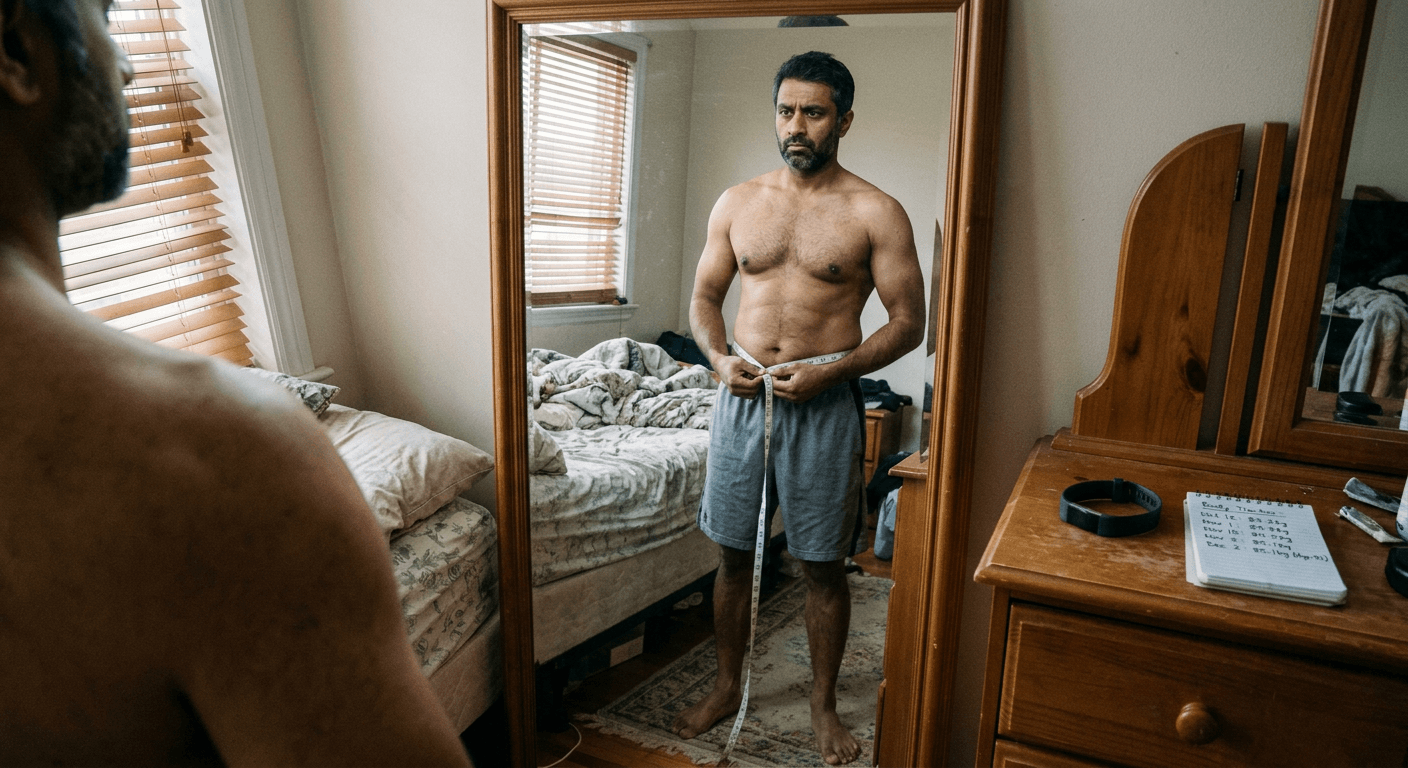
Metabolic rate does decline with age, but the change is more gradual than people often assume. What changes more noticeably is body composition muscle mass decreases if not actively maintained, and fat distribution shifts, often toward visceral (abdominal) fat.
This isn’t inevitable if you maintain muscle through resistance training and stay active. But if your activity level or eating patterns haven’t changed and your body composition has, you’re seeing a normal metabolic shift that responds to intentional intervention.
Recovery Time and Physical Changes
Recovery from intense exercise, illness, or sleep deprivation takes longer than it did in your 20s. This reflects changes in inflammation regulation, muscle repair processes, and stress response systems. This shift is normal, and it’s also a signal to adjust expectations for healthy aging in your 30s.
Starting around age 30, adults lose approximately 3-5% of muscle mass per decade if they don’t engage in resistance training, according to research from Harvard Medical School. Bone density peaks in your late 20s to early 30s and begins declining, particularly for women approaching menopause. Both of these changes are significantly modifiable through strength training and adequate protein intake.
Hormonal Changes (For All Genders)
Hormonal shifts aren’t just about menopause they begin earlier and more gradually than most people realize.
For women, perimenopause can start in the late 30s or early 40s, bringing irregular periods, sleep disruption, mood changes, and metabolic shifts years before actual menopause. These changes are often under-discussed, leaving women confused about what’s happening during this phase of healthy aging in your 30s and 40s.
For men, testosterone levels gradually decline starting around age 30-40, potentially affecting energy, muscle mass, mood, and libido, though the decline is typically slower than female hormonal changes.
For transgender and non-binary individuals, screening recommendations depend on anatomy and hormone use. Working with healthcare providers familiar with transgender health helps personalize screening based on your specific situation.
Cardiovascular and Metabolic Changes
Blood pressure tends to increase with age. Cholesterol patterns may shift. Insulin sensitivity may decrease, making blood sugar regulation harder. These changes are why screening becomes more important during your 30s and 40s for healthy aging.
Catching early warning signs borderline blood pressure, prediabetes, lipid changes allows intervention before they become established chronic conditions. Regular preventive health screenings support this early detection.
Cognitive Function: What’s Normal vs. Concerning
Contrary to popular belief, significant cognitive decline is not normal during healthy aging in your 30s or 40s. Occasionally forgetting names or details when stressed is normal. Forgetting important appointments regularly, difficulty managing familiar tasks, or changes others notice are not normal and warrant medical evaluation.
Many reversible conditions sleep disorders, depression, thyroid dysfunction, vitamin deficiencies can impair cognition. Addressing these underlying causes often resolves cognitive concerns.
The Foundation: What Evidence Actually Supports
When you look at what actually predicts healthy aging in your 30s and beyond maintained function, independence, and freedom from chronic disease into later decades several practices have robust, consistent evidence.
Exercise: The Single Most Powerful Intervention
If there’s one intervention with overwhelming evidence for healthy aging in your 30s and throughout life, it’s regular exercise specifically, a combination of cardiovascular exercise and resistance training.
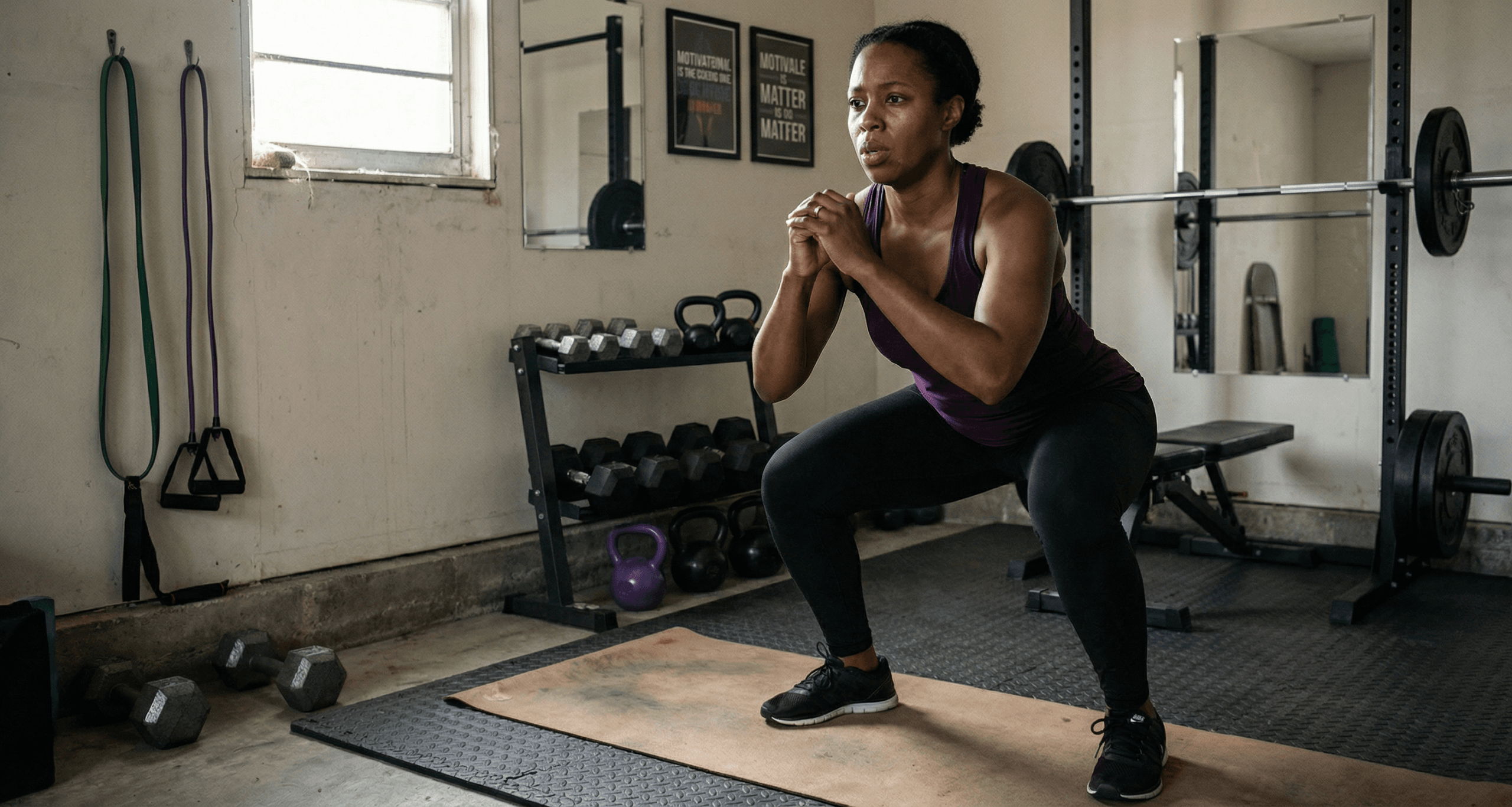
Aerobic exercise supports cardiovascular health, metabolic function, cognitive health, and mood regulation. Resistance training maintains muscle mass, bone density, metabolic rate, and functional independence. Both forms reduce risk for virtually every major chronic disease.
The CDC recommends at least 150 minutes of moderate-intensity aerobic activity per week, plus resistance training for all major muscle groups at least twice weekly. This doesn’t require gym memberships or elaborate programs. Walking, cycling, swimming, and bodyweight exercises all support your efforts toward healthy aging in your 30s.
Building emotional regulation skills can support exercise consistency by helping you manage the psychological barriers that often derail fitness habits.
Nutrition: Quality Over Restriction
Nutrition patterns associated with healthy aging in your 30s and beyond emphasize whole, minimally processed foods, adequate protein (important for maintaining muscle mass), plenty of vegetables and fruits, healthy fats from sources like fish, nuts, seeds, and olive oil, and limited added sugars.
Dietary patterns like the Mediterranean diet have strong evidence for supporting cardiovascular health and cognitive function. Adequate protein becomes particularly important for maintaining muscle mass many adults, especially women, don’t consume enough.
Sleep: The Non-Negotiable Foundation
Sleep affects virtually every aspect of health and healthy aging in your 30s cardiovascular function, metabolic health, cognitive performance, immune function, inflammation regulation, and mental health. Adults need 7-9 hours of quality sleep. Chronic sleep restriction accelerates many aging processes.
If you’re struggling with sleep quality, foundational sleep hygiene matters most. Addressing root causes stress, sleep disorders, poor sleep environment should come first before considering any supplements.
Stress Management and Chronic Inflammation
Chronic stress contributes to inflammation, which underlies many age-related diseases. Effective stress management for healthy aging in your 30s and 40s includes regular physical activity, mindfulness or meditation practices, social connection and support, adequate sleep, time in nature, and activities that promote psychological detachment from work stress.
Understanding how to manage stress and prevent burnout supports these inflammation-reduction goals.
Social Connection and Avoiding Harmful Substances
Loneliness and social isolation predict poor health outcomes as strongly as smoking or obesity. Social connection supports healthy aging in your 30s through mental health, stress buffering, and even immune function.
Smoking accelerates virtually every aging process. If you smoke, quitting is the single most impactful health decision you can make. Alcohol’s relationship with health is complex, but current evidence suggests limiting intake.
Preventive Health Screenings for Your 30s and 40s
Screenings help catch problems early and establish baselines for tracking changes over time. This proactive approach supports healthy aging in your 30s and throughout midlife.
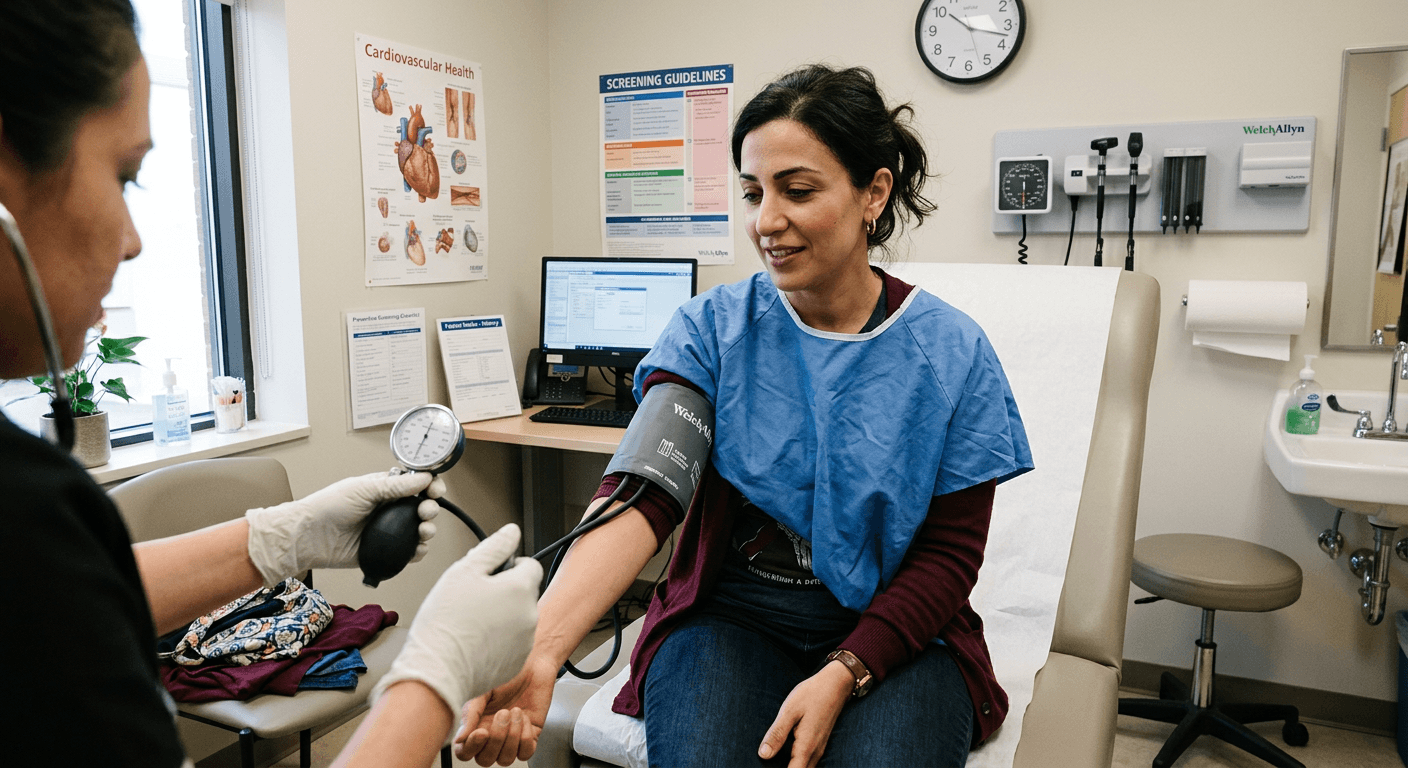
Essential Screenings
Blood pressure, cholesterol, and blood glucose should be monitored regularly. These metrics identify cardiovascular and metabolic risk before disease develops, when lifestyle changes or medical intervention can prevent progression.
Cancer screenings vary by type, age, and risk. Cervical cancer screening begins at age 25. Breast cancer screening recommendations vary but typically start at age 40-50, earlier if high risk. Colorectal cancer screening now begins at age 45 for average-risk adults, according to updated guidelines from the American Cancer Society.
Mental health screening should be part of routine healthcare for healthy aging in your 30s and 40s. Depression and anxiety are common, treatable, and affect both quality of life and physical health outcomes.
Why Baseline Data Matters
Establishing baseline health data in your 30s and 40s blood pressure, cholesterol, glucose, body composition creates reference points for detecting meaningful changes later. It’s easier to identify concerning trends when you know your starting point for healthy aging in your 30s.
What to Prioritize by Decade
While healthy aging principles apply across both decades, certain concerns become more relevant as you move through your 30s into your 40s.
In Your 30s
Focus on establishing consistent exercise habits, building cardiovascular fitness, developing stress management practices, and getting baseline health screenings. For women in late 30s, be aware that perimenopause can begin earlier than expected.
This decade sets the foundation for healthy aging in your 30s and the decades that follow.
In Your 40s
As you move through your 40s, protecting muscle mass becomes more important. Monitoring metabolic health more carefully and addressing hormonal changes that may affect sleep, mood, and metabolism support continued healthy aging. Screening frequency may increase as risk for certain conditions rises.
Your family health history significantly influences priorities. Family history of heart disease, diabetes, or certain cancers may warrant earlier screening, more aggressive risk factor management, or genetic counseling.
The Truth About Popular Anti-Aging Interventions
Given the volume of claims about longevity supplements and protocols, let’s examine what evidence actually exists for healthy aging in your 30s and beyond.
Supplements: What Science Actually Shows
The supplement industry makes dramatic anti-aging claims, but rigorous human evidence is often lacking. Most important to understand: supplements are poorly regulated. The FDA doesn’t pre-approve them for safety or efficacy.
Some supplements address real deficiencies:
Vitamin D: Many adults are deficient, particularly those who spend limited time outdoors or live in northern climates. Testing first is ideal before supplementing.
Omega-3 fatty acids: May benefit cardiovascular health, particularly if you don’t eat fish regularly. Getting these from whole foods remains preferable when possible.
B vitamins: Deficiency impairs cognition and energy. Correcting deficiency helps; supplementing if adequate doesn’t enhance health.
Beyond addressing deficiencies, evidence for supplements “enhancing” healthy aging in your 30s in already-healthy adults is weak.
NAD+ Boosters: Current Evidence
NAD+ (nicotinamide adenine dinucleotide) is a molecule involved in cellular energy metabolism that declines with age. Animal studies suggest boosting it may have potential benefits, leading to significant commercial interest in NAD+ precursor supplements.
NMN (nicotinamide mononucleotide) and NR (nicotinamide riboside) are both NAD+ precursors with different biochemical pathways. Research published in Cell Metabolism examined NAD+ metabolism and its role in aging, though most findings come from animal models.
Current evidence:
- Animal studies show potential benefits for metabolism, mitochondrial function, and age-related markers
- Human studies are limited and preliminary
- We don’t yet know optimal doses, long-term safety, or whether observed biochemical changes translate to meaningful health benefits for healthy aging in your 30s
- These supplements are expensive
If you’re curious about experimenting with NAD+ boosters, recognize you’re essentially participating in your own uncontrolled trial. The science is intriguing but not yet definitive for healthy adults. These interventions may make more sense as you age further, when NAD+ decline is more pronounced, but current evidence doesn’t strongly support use in healthy 30s-40s adults without existing health concerns.
Other Popular Longevity Compounds
Resveratrol: Despite initial excitement from animal studies, resveratrol supplements haven’t shown consistent meaningful benefits in human trials. Bioavailability is poor, and getting polyphenols from whole foods (berries, tea, dark chocolate) is better supported.
Spermidine and Fisetin: These are senolytic compounds (targeting senescent cells) with promising animal data but very limited human evidence. These remain speculative interventions at this point for healthy aging in your 30s.
CoQ10: May benefit people with specific conditions or those taking statins, but evidence for general anti-aging benefits in healthy adults is limited.
Berberine: Has evidence for blood sugar regulation and may help with metabolic health, particularly if you have prediabetes or metabolic syndrome. This has better support than many longevity supplements.
Collagen and Hyaluronic Acid: Marketed for skin, joints, and connective tissue. Evidence is mixed some small studies suggest possible benefits for skin elasticity and joint comfort, but your body breaks down ingested collagen into amino acids. Getting adequate protein and vitamin C from whole foods supports your body’s own collagen production.
Probiotics: Gut health affects many aspects of aging. Probiotic supplements may support digestive and immune health, though benefits vary by strain and individual. Eating fermented foods (yogurt, kefir, sauerkraut, kimchi) also supports gut health.
If you decide to explore longevity compounds, sources like DoNotAge offer research-grade formulations with published third-party testing though the fundamental limitations of human evidence for most longevity supplements remain regardless of purity standards.
Intermittent Fasting and Time-Restricted Eating
Intermittent fasting has received significant attention for potential metabolic benefits. Current evidence suggests it can help with weight loss, primarily by reducing overall calorie intake, and may improve some metabolic markers. However, longevity claims are based primarily on animal studies human longevity data doesn’t exist for healthy aging in your 30s populations.
For some people, time-restricted eating provides useful structure. For others, it creates disordered eating patterns. This is a “try and see” intervention, not a universally recommended practice.
What’s Worth Prioritizing
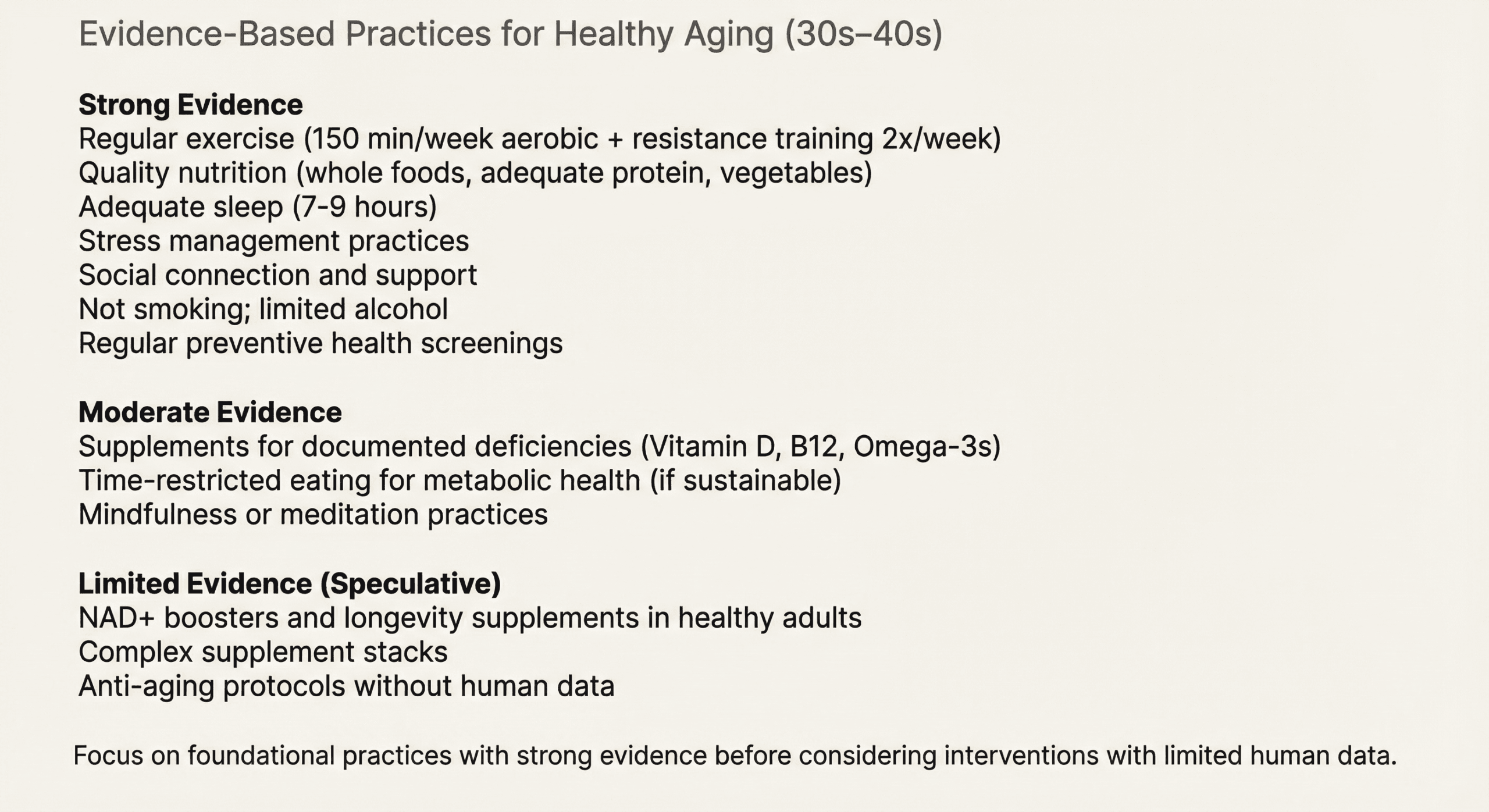
Evidence-based priorities for healthy aging in your 30s:
- Regular exercise (cardiovascular + resistance training)
- Quality nutrition emphasizing whole foods and adequate protein
- Adequate sleep (7-9 hours)
- Stress management
- Social connection
- Not smoking; limiting alcohol
- Regular health screenings
Possibly worth considering:
- Supplements if you have documented deficiencies (Vitamin D, B12, Omega-3s)
- Time-restricted eating if it helps manage weight sustainably
- Targeted supplements for specific health concerns (berberine for metabolic health, probiotics for gut issues)
Probably not worth your money at this age:
- Expensive longevity supplement stacks without strong human evidence
- Complex protocols combining many unproven interventions
- Obsessively tracking biomarkers beyond standard health metrics
Building Sustainable Habits (Not Obsessing)
The 80/20 Approach
The practices that matter most for healthy aging in your 30s are straightforward: move regularly, eat mostly whole foods, sleep adequately, manage stress, maintain relationships, don’t smoke, limit alcohol, get appropriate screenings.
An 80/20 approach doing the important things consistently most of the time produces most of the benefit without the stress of rigid optimization. Missing workouts occasionally or having busy periods where stress management suffers doesn’t undo your foundation.

Consistency Over Perfection
Research shows that sustainability matters more than intensity for healthy aging in your 30s. The exercise program you actually do beats the “optimal” program you abandon. Walking 20 minutes daily that you actually maintain outperforms elaborate gym routines you can’t sustain.
Exploring practical self-care strategies can help you build sustainable habits that fit your actual life.
Avoiding Optimization Anxiety
When health consciousness crosses into obsession, it becomes counterproductive. Warning signs include constant anxiety about whether you’re doing enough, extreme rigidity about health practices, or health taking up disproportionate mental energy.
Healthy aging in your 30s should support your ability to enjoy life, not constrain it. If you’re spending more time researching longevity protocols than actually living, the balance has shifted.
Red Flags: When to See a Doctor
While many changes are normal aging, some warrant medical evaluation for healthy aging in your 30s and 40s:
- Significant unexplained changes in weight, energy, or mood
- New or persistent symptoms that don’t resolve
- Family history of early disease (before age 60)
- Metabolic warning signs like prediabetes or elevated blood pressure
- Mental health concerns affecting your functioning
- Cognitive changes that concern you or others notice
Don’t dismiss symptoms assuming they’re “just aging.” Many conditions are treatable if caught early. Understanding when to seek professional support can guide these decisions.
Frequently Asked Questions
Is it too late to start healthy habits in my 40s?
No. Research shows that adopting beneficial behaviors at any age provides health benefits. Someone who begins regular exercise in their 40s still gains cardiovascular fitness, builds muscle, and reduces chronic disease risk. Healthy aging in your 30s principles apply whenever you start.
Do I need supplements for healthy aging?
Most healthy adults with varied diets don’t need supplements beyond possibly vitamin D and B12 (depending on individual factors). Before taking supplements, have blood work showing actual deficiencies and ensure you’re addressing foundational practices first.
How much exercise do I really need?
At least 150 minutes of moderate-intensity aerobic activity weekly plus resistance training twice weekly. This breaks down to roughly 30 minutes most days plus two strength sessions.
What’s the most important thing I can do for healthy aging in my 30s?
Regular physical activity combining cardiovascular exercise and resistance training has the strongest evidence across multiple health outcomes. That said, healthy aging isn’t about one thing it’s the combination of movement, nutrition, sleep, stress management, and preventive care.
Should I take NAD+ boosters or other longevity supplements?
Current evidence doesn’t strongly support NAD+ boosters or most longevity supplements for healthy adults in their 30s and 40s. The foundational practices (exercise, nutrition, sleep, stress management) have far stronger evidence. If you’re curious about supplements, work with a healthcare provider and recognize that you’re experimenting with interventions that lack robust human data.
Takeaway
Healthy aging in your 30s isn’t about stopping time or defeating aging it’s about maintaining function and preventing disease through evidence-based practices sustained over decades: regular exercise combining cardiovascular and resistance training, quality nutrition emphasizing whole foods and adequate protein, adequate sleep, stress management, social connection, and regular preventive screenings.
This article provides educational information about healthy aging based on current scientific understanding, but it is not medical advice. Consult your healthcare provider for personalized guidance, health screenings, and to address any concerning symptoms or family health history. Supplement recommendations should be discussed with healthcare providers who can evaluate your individual needs and potential interactions.
Affiliate Disclosure: LubDubSmile may earn a commission if you purchase through links in this article, at no extra cost to you. We only recommend products that meet our editorial standards for quality and transparency.
This content is for educational purposes and does not substitute for professional medical or therapeutic help.