
Omega-3 Supplements: Comparing Quality Standards and Sources
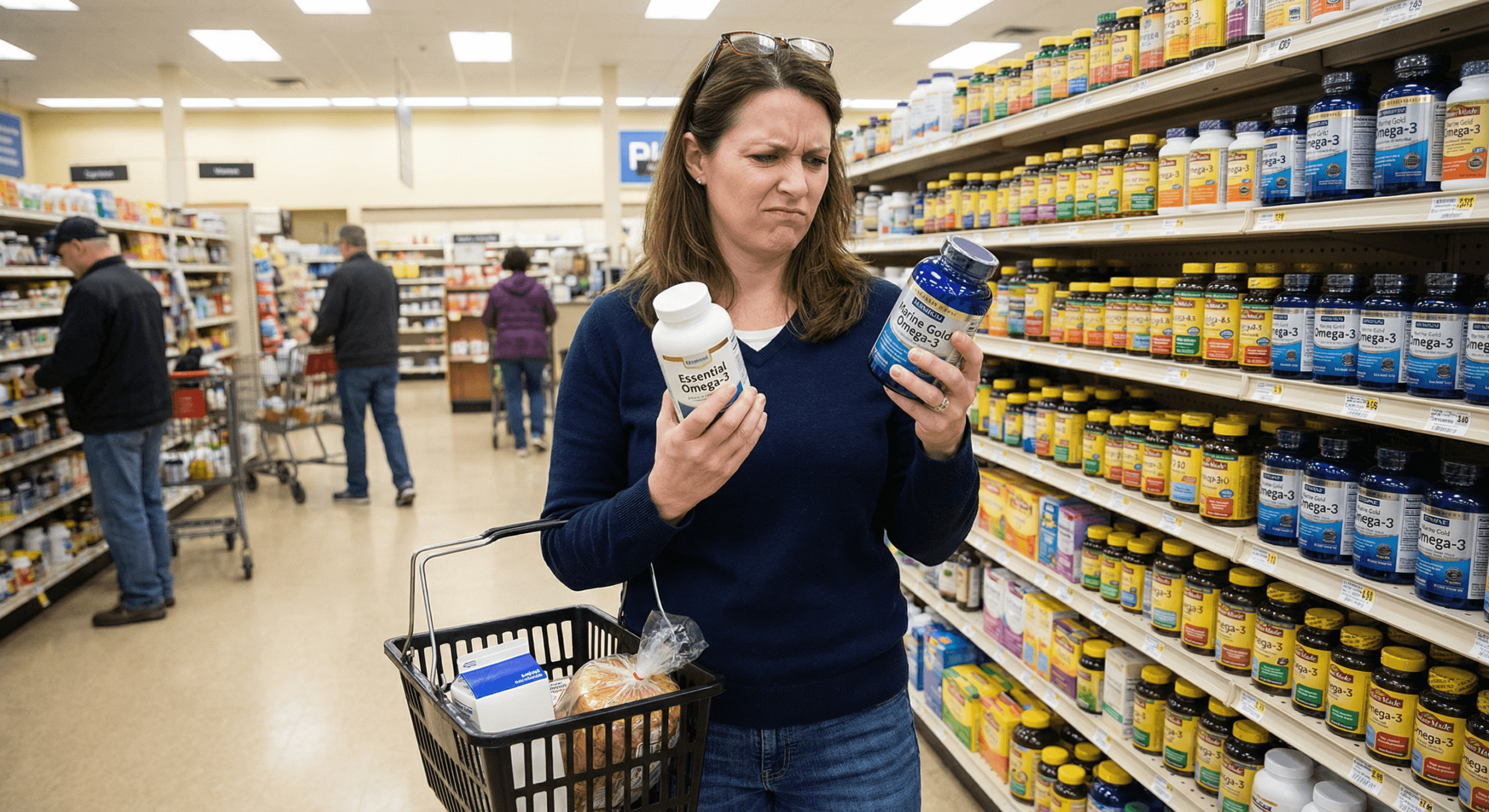
Choosing the right omega-3 supplement feels overwhelming. Bottles line store shelves with prices ranging from $10 to $60. Labels promise everything from “pharmaceutical grade” to “ultra-purified.” But most people struggle to understand what actually matters for their health.
Quality omega-3 supplements deliver measurable benefits for brain and heart health. Generic options often fall short. The molecular form affects how well your body absorbs EPA and DHA. Purity standards determine whether you’re getting clean ingredients or contaminants alongside your omega-3. Third-party testing reveals whether label claims hold up to scrutiny.
This comparison examines quality factors across omega-3 sources. We’ll explore DoNotAge Pure Omega-3, drugstore fish oil, premium brands, krill oil, and algae options. The goal is providing a framework for evaluating quality omega-3 supplements based on your priorities and budget.
Why Omega-3 Quality Matters Beyond Marketing Claims
What EPA and DHA Actually Do in Your Body
Omega-3 fatty acids include two forms particularly important for human health: EPA (eicosapentaenoic acid) and DHA (docosahexaenoic acid). These aren’t just “healthy fats.” They’re structural components of every cell membrane in your body.
DHA makes up approximately 40% of the polyunsaturated fatty acids in your brain and 60% in the retina of your eyes, according to research from the National Institutes of Health. It supports neuronal membrane fluidity, which affects how signals move between brain cells. This impacts cognitive processing, memory, and learning capacity.
EPA functions primarily as a precursor to anti-inflammatory signaling molecules called resolvins and protectins. Chronic low-grade inflammation underlies cardiovascular disease, cognitive decline, and accelerated aging, according to Harvard Medical School research. EPA helps regulate inflammatory response.
If your diet lacks sufficient EPA and DHA, your body compensates with less optimal fatty acids in cell membranes. This affects cellular function throughout your body. Supporting your emotional regulation skills may also benefit from adequate omega-3 intake, given the brain-health connection.
Why Most People Don’t Get Enough from Diet
The ideal source of EPA and DHA is fatty fish: salmon, mackerel, sardines, anchovies, and herring. The American Heart Association recommends two servings per week to maintain adequate omega-3 status.
But practical reality intervenes. USDA data shows average American fish consumption falls well below recommended levels. Reasons include cost, access, taste preferences, preparation time, and lifestyle constraints. Travel schedules, food preferences, and dietary restrictions limit consistent fish consumption for many people.
Supplementation can fill this gap. But not all supplements deliver what their labels promise.
The Problem with Generic Fish Oil Supplements
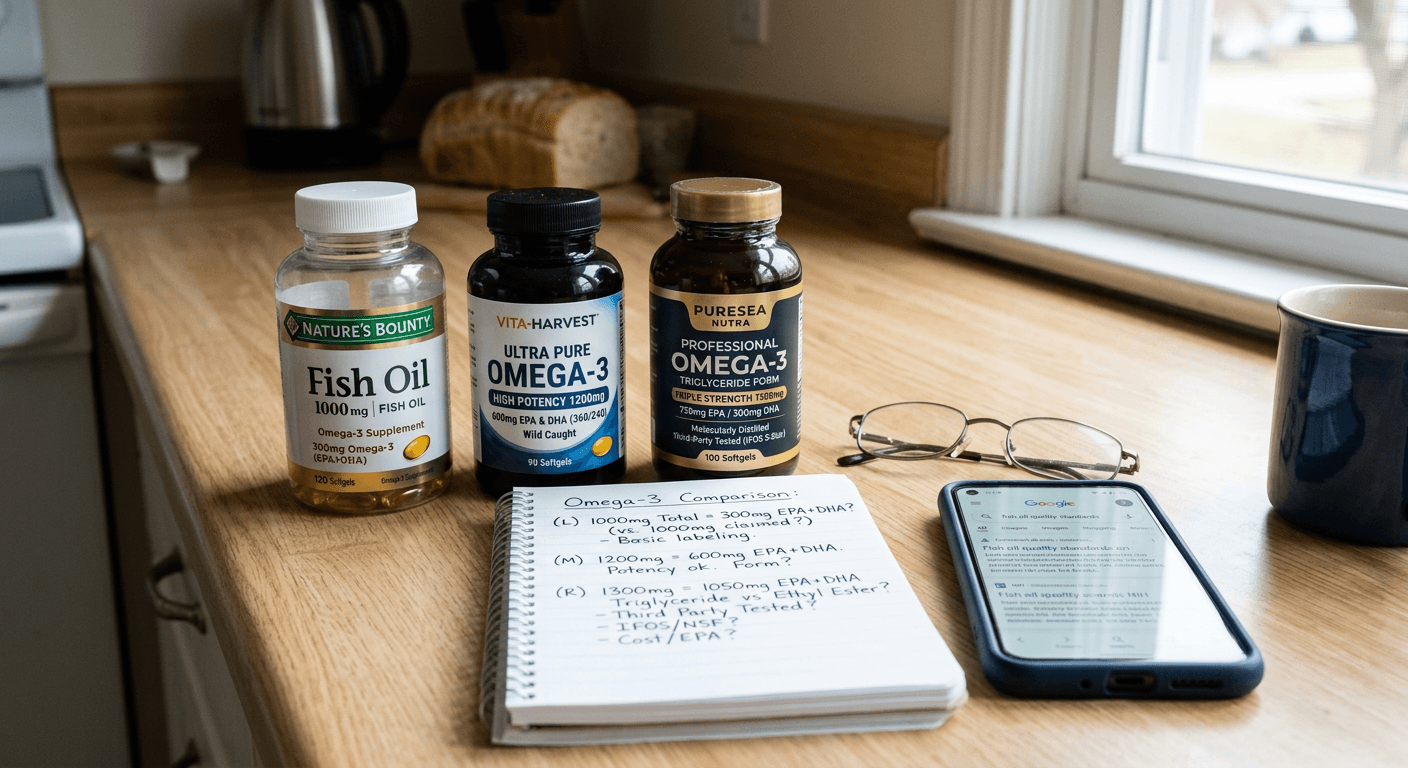
Walk into any drugstore and you’ll find fish oil bottles for $10 to $15. Many list “1000mg Fish Oil” prominently. But read the fine print: that 1000mg often contains only 300mg of actual EPA and DHA combined. The rest is other fatty acids with no documented health benefit.
Beyond dosing ambiguity, generic fish oils face several quality concerns:
Form: Most cheap fish oils use ethyl ester form a synthetic molecular structure created during processing. Your body absorbs this less efficiently than the natural triglyceride form found in fish. Studies published in the Journal of the American College of Nutrition show triglyceride-form omega-3 achieves significantly higher blood levels of EPA and DHA compared to ethyl ester at equivalent doses.
Purity: Fish accumulate environmental contaminants like mercury and PCBs. Cheaper supplements often skip rigorous purification steps. Without third-party testing transparency, you have no way to verify purity claims.
Oxidation: Omega-3 fatty acids are chemically unstable. Exposure to heat, light, and oxygen causes oxidation, creating rancid compounds that smell fishy. Generic fish oils often lack protective antioxidants or proper storage handling.
Lack of transparency: Most drugstore brands don’t publish Certificates of Analysis (COAs) third-party lab reports verifying purity, potency, and contaminant levels.
Quality Factors That Actually Matter
When evaluating omega-3 supplements, focus on these verifiable factors:
Molecular form: Triglyceride is the natural form found in fish. Ethyl ester is synthetic. Bioavailability studies consistently show triglyceride form achieves higher omega-3 blood levels.
Purity standards: High-quality omega-3 supplements meet clinical trial purity requirements typically 99% or higher with rigorous contaminant testing. Consumer-grade products may have lower thresholds.
Third-party testing: Published COAs from independent labs verify label claims. Brands that refuse to publish testing results ask for blind trust.
EPA and DHA content: Focus on actual EPA and DHA milligrams per serving, not total fish oil weight.
Oxidation status: TOTOX measures oxidation level. Lower is better. International standards recommend TOTOX below 26. High-quality supplements target below 10.
Source and sustainability: Small fish like anchovies and sardines accumulate fewer contaminants than large predatory fish like tuna.
Understanding Omega-3 Forms: Triglyceride vs. Ethyl Ester
What These Terms Mean
The molecular form of omega-3 determines how your body processes and absorbs it.
Triglyceride form: The natural molecular structure found in fish. Three fatty acids (including EPA and DHA) bonded to a glycerol backbone. This is how omega-3 exists in salmon and sardines.
Ethyl ester form: A synthetic structure created during industrial purification. Fatty acids are chemically separated from glycerol and bonded to ethanol instead. This concentrates omega-3 content but changes molecular structure.
Some manufacturers convert ethyl ester back to triglyceride form after concentration. This is called re-esterified triglyceride or rTG.
How Form Affects Absorption
Your digestive system handles triglyceride-form omega-3 more efficiently than ethyl ester.
When you consume triglyceride-form omega-3, pancreatic lipase enzymes break the glycerol-fatty acid bonds. This releases EPA and DHA for absorption in the small intestine. This mirrors how your body digests dietary fats.
Ethyl ester requires additional enzymatic steps. Lipase must first break the ethanol-fatty acid bond. Then your body re-attaches the freed fatty acids to glycerol to form triglycerides for absorption. This extra step slows and reduces overall absorption efficiency.

A 2015 meta-analysis in Prostaglandins, Leukotrienes and Essential Fatty Acids found triglyceride-form omega-3 achieved approximately 70% higher EPA and DHA blood levels compared to ethyl ester form at equivalent doses.
If you take 1000mg of EPA and DHA in ethyl ester form, your body might absorb 600 to 700mg. The same dose in triglyceride form might deliver 900 to 1000mg to your bloodstream.
Why Many Drugstore Fish Oils Use Ethyl Ester
Ethyl ester dominates the budget fish oil market for one reason: cost.
Converting fish oil to ethyl ester allows manufacturers to concentrate EPA and DHA more cheaply than maintaining triglyceride form. For brands competing on price, ethyl ester makes financial sense. For consumers prioritizing absorption and bioavailability, the cost savings come at a functional tradeoff.
What Purity Standards Actually Mean
Clinical Trial Standards vs. Consumer Supplements
When researchers design clinical trials testing omega-3’s effects on cardiovascular health or cognitive function, they use high-purity ingredients. These meet stringent standards to ensure study results reflect the compound itself, not contaminants or degraded material.
Clinical-grade typically means:
- Purity of 99% or higher
- Rigorous screening for heavy metals, PCBs, and dioxins
- Low oxidation with TOTOX values well below industry thresholds
- Batch consistency verified by independent testing
Consumer-grade supplements operate under different standards. The FDA regulates supplements as food, not drugs. Manufacturers self-certify quality. While reputable brands maintain decent standards, wide variation exists. Without published testing, you can’t tell the difference from the label.
The 99.8% Purity Standard
DoNotAge Pure Omega-3 claims 99.8% purity, meaning 99.8% of the product is EPA and DHA, with only 0.2% other compounds.
This matters for several reasons:
Effective dosing: If a capsule contains 500mg of material but only 80% is EPA and DHA, you’re getting 400mg of active ingredient. At 99.8% purity, you’re getting 499mg.
Long-term safety: Even trace contaminants accumulate over years of daily supplementation. High purity minimizes cumulative exposure.
Reduced oxidation: High purity correlates with better processing and handling, reducing rancidity risk.
Consistency: Premium production maintains batch-to-batch consistency.
Understanding preventive health screenings helps you make informed decisions about supplementation as part of your broader health strategy.
Common Contaminants in Fish Oil
Fish accumulate environmental pollutants from ocean water and their food chain position. Larger, longer-lived fish accumulate more contaminants than small, short-lived fish.
Mercury: Neurotoxic heavy metal that damages the nervous system. The FDA sets limits for fish consumption based on mercury content.

PCBs: Industrial chemicals banned in the 1970s but persistent in the environment. They accumulate in fatty tissues and are linked to cancer risk.
Dioxins: Toxic compounds from industrial processes that accumulate in the food chain.
Oxidation byproducts: When omega-3 fatty acids degrade, they form peroxides and aldehydes that may promote inflammation.
Quality omega-3 supplements address these through source selection, molecular distillation, antioxidant protection, and third-party testing.
How Molecular Distillation Works
Molecular distillation is the gold standard for fish oil purification:
- Crude fish oil is extracted from fish
- The oil is heated in a vacuum chamber at lower pressure
- EPA and DHA vaporize and are collected separately from heavier contaminants
- Purified omega-3 vapor condenses back into concentrated oil
- Batches are tested for purity and contaminant levels
This process can be repeated multiple times to achieve higher purity levels. Premium supplements typically use multi-stage distillation to reach 99% or higher purity.
DoNotAge Pure Omega-3: Quality Factors
Triglyceride Form for Bioavailability
DoNotAge Pure Omega-3 uses re-esterified triglyceride (rTG) form the natural molecular structure found in fish, optimized for absorption. Each softgel provides a concentrated dose in the form your digestive system processes most efficiently.
High Purity (99.8%)

DoNotAge positions its omega-3 at 99.8% purity, meeting the standards used in clinical research. This means virtually all the material in each capsule is EPA and DHA, with minimal other fatty acids or processing residues.
This purity level aligns with the omega-3 used in cardiovascular trials and cognitive function studies.
Sustainable Wild Anchovies
DoNotAge sources omega-3 from wild-caught anchovies small, short-lived fish low on the food chain. Anchovies live one to three years and eat plankton. They don’t accumulate mercury and PCBs the way large predatory fish do over decades.
Anchovies are abundant and reproduce rapidly. Fisheries can harvest them sustainably without depleting populations.
Third-Party Testing with Published COAs
DoNotAge publishes Certificates of Analysis from independent labs, verifying purity, potency, and contaminant levels for each production batch. These COAs are accessible on their website, allowing you to review actual testing data.
This transparency is uncommon in the supplement industry. Most brands don’t publish COAs publicly.
Clean Ingredient List
The ingredient list includes omega-3 concentrate from anchovies, softgel capsule (fish gelatin, glycerin, purified water), and natural mixed tocopherols (vitamin E as antioxidant).
No artificial colors, flavors, or preservatives. No unnecessary fillers.
Storage and Handling
DoNotAge includes natural antioxidants (vitamin E) to protect against oxidation. The brand recommends storing in a cool, dry place. Refrigeration is optional but can extend freshness, especially in warm climates.
Comparing Omega-3 Sources
| Factor | DoNotAge Pure Omega-3 | Generic Drugstore Fish Oil | Premium Brands | Krill Oil | Algae Omega-3 |
|---|---|---|---|---|---|
| Form | Re-esterified triglyceride | Usually ethyl ester | Triglyceride or rTG | Natural triglyceride with phospholipids | Natural triglyceride |
| Purity Standard | 99.8% | Variable (often 60–80%) | 90–95% | ~90–95% | ~95% |
| EPA/DHA per Serving | ~700–1000mg | ~300–600mg | ~500–1000mg | ~250–500mg | ~300–600mg |
| Third-Party COA Published | Yes | Rarely | Sometimes | Rarely | Varies |
| Source | Wild anchovies | Mixed fish (often unspecified) | Anchovies, sardines, mackerel | Antarctic krill | Algae |
| Price Per Month | ~$40–55 | ~$10–20 | ~$25–45 | ~$30–50 | ~$25–40 |
| Best For | Purity seekers | Basic supplementation on tight budget | Quality-conscious consumers | Phospholipid form preference | Vegetarians and vegans |
The Transparency Factor: Published COAs and Third-Party Testing
Why Certificates of Analysis Matter
A Certificate of Analysis is an independent lab report verifying what’s actually in a product. It tests for potency, purity, contaminants, and oxidation.
COAs are generated by third-party labs, providing unbiased quality verification.
What to Look for in Testing Reports
When reviewing a COA for quality omega-3 supplements, check:
- EPA and DHA content (does it match the label?)
- Purity percentage (what percentage is actual EPA and DHA?)
- Heavy metals (mercury, lead, cadmium, arsenic levels)
- PCBs and dioxins (should be below detectable limits)
- TOTOX score (measures oxidation; industry standard is below 26, high-quality products target below 10)
- Batch number and date
How DoNotAge’s COA Transparency Compares
DoNotAge publishes batch-specific COAs on their website, accessible to anyone. This level of transparency is rare in the supplement industry.
Most brands either don’t publish COAs at all, provide generic COAs on request, or publish outdated COAs.
By making testing results publicly available and batch-specific, DoNotAge allows consumers to verify quality before purchasing.
Red Flags
If a supplement brand claims “high purity” or “pharmaceutical grade” but won’t publish COAs, that’s a red flag.
Questions to ask any omega-3 brand:
- Do you publish COAs publicly?
- Are COAs batch-specific?
- Which independent lab conducts testing?
- What contaminants do you test for?
- What’s your typical TOTOX score?
EPA vs. DHA: Understanding What You’re Getting
EPA’s Role
EPA functions primarily as a precursor to anti-inflammatory signaling molecules. When your body experiences inflammation, EPA helps produce resolvins and protectins, compounds that actively resolve inflammatory responses.
EPA’s cardiovascular benefits are documented in research from the American Heart Association and include support for healthy triglyceride levels, blood pressure within normal range, endothelial function, and reduced platelet aggregation.
Managing inflammation also connects to practices like emotional hygiene, which supports overall wellness through daily habits.
DHA’s Role
DHA is the most abundant omega-3 in the brain (40% of brain polyunsaturated fats) and retina (60% of retinal polyunsaturated fats). It’s a structural component of neuronal cell membranes, affecting neural signaling speed, synaptic plasticity, neuroprotection, and visual acuity.
Optimal Ratios and Dosing
There’s no universal “perfect” EPA to DHA ratio. Research uses various ratios depending on study goals:
- Cardiovascular studies often emphasize EPA (2:1 or 3:1 EPA to DHA)
- Cognitive and brain health studies often emphasize DHA (1:2 EPA to DHA)
- General health studies typically use balanced ratios (roughly 1:1 or 1.5:1 EPA to DHA)
Most research suggesting cardiovascular or cognitive benefits uses 1000 to 3000mg combined EPA and DHA per day. Individual needs vary based on dietary omega-3 intake, baseline omega-3 status, health goals, body weight, and metabolism.
Who Should Consider High-Purity Omega-3
People Seeking Verifiable Quality
Quality omega-3 supplements are most valuable for people who prioritize verifiable testing through published COAs, maximum bioavailability through triglyceride form, and long-term safety through minimal contaminant exposure.
Building Cellular Health Stacks
Comprehensive wellness approaches may include multiple interventions. Three foundational compounds omega-3, NMN, and resveratrol target complementary mechanisms:
Omega-3: Cell membrane integrity, anti-inflammatory signaling, cardiovascular health, brain health
NMN: NAD+ precursor, mitochondrial function, DNA repair, metabolic health
Resveratrol: Sirtuin activation, cellular stress resistance, antioxidant properties, cardiovascular support
DoNotAge offers omega-3, NMN, and resveratrol all at high purity with published third-party testing. This consistency ensures uniform quality standards across your entire stack.
Omega-3, NMN, and resveratrol have no known negative interactions and are commonly taken together. However, if you take blood thinners, have medical conditions, or take prescription medications, consult your healthcare provider before supplementation.
If you’re managing stress, exploring burnout recovery strategies alongside nutritional support may provide comprehensive benefits.
When Other Options Make More Sense
DoNotAge Pure Omega-3 is premium-priced. Consider other options if:
- Budget is the primary constraint
- You’re vegan or vegetarian (fish-sourced with fish gelatin capsules)
- You eat fatty fish two to three times per week consistently
- You have fish allergies
- You prefer other omega-3 forms like krill oil
Potential Drawbacks and Considerations
Premium Pricing
DoNotAge Pure Omega-3 costs roughly two to five times more than budget fish oils ($33 to $55 per month versus $10 to $20). This premium reflects high purity, triglyceride form, published third-party testing, and sustainable sourcing.
Not Suitable for Vegetarians or Vegans
DoNotAge Pure Omega-3 is derived from fish and uses fish gelatin for the softgel capsule. Algae-based omega-3 is the appropriate alternative for those avoiding animal products.
Two-Softgel Daily Serving
DoNotAge’s recommended serving is two softgels per day to achieve the target EPA and DHA dose. This allows dose flexibility but requires taking two capsules instead of one.
14-Day Return Window
DoNotAge offers a 14-day money-back guarantee (return window may vary by region). This is shorter than some supplement brands offering 30, 60, or 90-day returns. For opened products, partial refunds may apply. Check current policy for details.
Possible Fishy Aftertaste
Even high-quality fish oil can cause mild fishy aftertaste for some users. Taking softgels with meals, with fatty meals, storing in the refrigerator, or taking before bed can help minimize this.
Fish Allergen Considerations
DoNotAge Pure Omega-3 contains fish-derived ingredients. Individuals with fish allergies should avoid it and use algae-based omega-3 instead.
Omega-3 Supplementation vs. Eating Fish
When Whole Food Sources Are Ideal
Eating fatty fish two to three times per week wild-caught salmon, mackerel, sardines, anchovies, herring provides high-quality EPA and DHA in natural triglyceride form, complete protein, vitamin D, selenium, and B vitamins.

If you consistently eat this much fatty fish, your dietary omega-3 intake likely meets recommended levels. Supplementation becomes optional.
Understanding social fitness and how relationships strengthen health reminds us that cardiovascular health through nutrition is one piece of overall wellness.
Mercury and Contaminant Concerns
Not all fish are equally safe. Large, long-lived predatory fish accumulate mercury, PCBs, and other contaminants over decades:
- High mercury: Swordfish, shark, king mackerel, tilefish, large tuna
- Moderate mercury: Albacore tuna, mahi-mahi
- Low mercury: Salmon, sardines, anchovies, herring, mackerel, trout
The FDA and EPA advise limiting consumption of high-mercury fish, especially for pregnant individuals, nursing mothers, and young children.
Most People Don’t Eat Enough Fish Consistently
USDA data shows average American fish consumption is far below two to three servings per week. Reasons include cost, access, taste preferences, preparation time, and lifestyle constraints.
For most people, dietary omega-3 intake is insufficient. Supplementation bridges this gap.
Sustainability Considerations
Wild fish populations face pressure from overfishing, habitat destruction, and climate change. Sustainable choices include wild-caught Alaskan salmon, sardines and anchovies, and MSC-certified fish.
Choosing omega-3 supplements sourced from sustainable small fish reduces environmental impact.
Combination Approach
The ideal strategy for most people:
- Eat fatty fish when practical (one to two times per week if possible)
- Supplement with quality omega-3 on other days
- Adjust supplement dose based on dietary intake
How to Take Omega-3 Supplements Effectively
Optimal Dosing and Timing
DoNotAge Pure Omega-3 recommends two softgels per day. This can be taken all at once with one meal or split (one softgel with breakfast, one with dinner).
Omega-3 can be taken any time of day. Consistency matters more than specific timing.
Taking with Fat-Containing Meals
Omega-3 fatty acids are fat-soluble. Taking fish oil supplements with meals containing fat (eggs, nuts, avocado, olive oil, meat, dairy) enhances absorption.
Storage Recommendations
Store in a cool, dry place away from direct sunlight and heat. Refrigeration is optional but recommended in warm climates. Keep the bottle tightly sealed. Check expiration dates.
Consistency Matters
Omega-3 supplementation is not an acute intervention. It builds cellular omega-3 levels gradually over weeks to months.
Realistic timelines:
- Two to four weeks: Some notice improved mood or reduced joint stiffness
- Four to eight weeks: Cognitive benefits may become noticeable for some individuals
- Two to three months: Cardiovascular benefits typically require consistent supplementation
- Six months or more: Omega-3 index reaches optimal levels with consistent intake
Individual response varies based on baseline omega-3 status, diet quality, genetics, and overall health. Consistency is key.
Frequently Asked Questions
How long does it take to see benefits from omega-3 supplementation?
Some notice improved mood or reduced joint stiffness within two to four weeks. Cardiovascular and cognitive benefits typically build over two to three months of consistent use. Results vary by individual baseline omega-3 status.
Can I take omega-3 with other supplements like NMN or resveratrol?
Yes, omega-3s are generally safe to stack with longevity supplements. Many people combine omega-3, NMN, and resveratrol. There are no known negative interactions between these compounds. Always consult your healthcare provider when building supplement stacks, especially if you take prescription medications.
Are there any side effects or medication interactions?
Omega-3 is generally well-tolerated. Some experience mild fishy aftertaste or digestive upset (taking with food helps). High doses (over 3g per day) may increase bleeding risk. Consult your doctor if you take anticoagulants (warfarin, aspirin, clopidogrel). Omega-3 may lower blood pressure and blood sugar slightly. Monitor if you take medications for hypertension or diabetes. Pregnant or nursing individuals should consult their obstetrician before supplementation.
What’s the difference between EPA and DHA?
EPA primarily supports cardiovascular health and inflammation regulation. DHA is concentrated in brain and eyes, supporting cognitive function, memory, and visual health. Most people benefit from both.
Do I need to refrigerate fish oil supplements?
Not required, but refrigeration can extend freshness, especially in warm climates. DoNotAge’s ultra-purification and antioxidant protection help preserve stability at room temperature when stored properly.
Is omega-3 safe during pregnancy?
DHA is important for fetal brain and eye development. Many prenatal supplements include DHA. However, always consult your obstetrician before starting any supplement during pregnancy or nursing.
Why is triglyceride form better than ethyl ester?
Triglyceride is the natural molecular form found in fish. Your body absorbs it more efficiently than synthetic ethyl ester. Studies show triglyceride-form omega-3 achieves higher blood levels of EPA and DHA at equivalent doses.
What does high purity actually mean?
High purity means the ingredient meets quality standards required for clinical trials—typically 99% or higher purity with rigorous contaminant testing. This ensures you’re getting almost exclusively EPA and DHA with minimal impurities.
Final Assessment: Evaluating Quality vs. Cost
When Premium Omega-3 Matters Most
Quality omega-3 supplements are most valuable for people who value verifiable testing through published COAs over marketing claims, anyone prioritizing long-term safety through minimal contaminant exposure, those building evidence-based cellular health stacks, and individuals who apply analytical thinking to health decisions.
DoNotAge’s Position in the Premium Market
DoNotAge sits at the high end of omega-3 quality:
- Higher purity than most competitors (99.8% versus 90 to 95% for premium brands, 60 to 80% for budget options)
- Triglyceride form matching or exceeding premium brands
- Published third-party testing (more transparent than most brands)
- Sustainable sourcing (wild anchovies)
- Premium pricing ($40 to $55 per month)
Where to Purchase
DoNotAge Pure Omega-3 is available directly through DoNotAge’s website. They typically offer one-time purchase and subscribe-and-save options (recurring shipments at discounted price, cancellable anytime).
Subscribe-and-save options often provide 10 to 15% discounts. Subscriptions are flexible you can adjust frequency, skip shipments, or cancel without penalty.
Exclusive offer: Use discount code LUBDUBSMILE at checkout for 10% off your order.
Summary
Omega-3 benefits build over weeks to months of consistent use. Most research supporting cardiovascular or cognitive benefits uses 1000 to 3000mg combined EPA and DHA per day. Individual needs vary based on dietary intake, baseline omega-3 status, and health goals.
Consult your healthcare provider before omega-3 supplementation if you take blood thinners, have bleeding disorders, are pregnant or nursing, have fish allergies, or take prescription medications.
Affiliate Disclosure: LubDubSmile may earn a commission if you purchase through links in this article, at no extra cost to you. We only recommend products that meet our editorial standards for quality and transparency. Our comparisons are based on verifiable quality factors, not promotional relationships.
This content is for educational purposes and does not substitute for professional medical or nutritional advice.