

Heart Health Without Fear: Making Sense of Blood Pressure Numbers
You glance at the cuff during your annual exam 132 over 84. The nurse says “a little high.” Your heart skips: does that mean I’m sick?
Anxiety about blood-pressure numbers is common. The American Heart Association (AHA) and Centers for Disease Control and Prevention (CDC) say nearly half of U.S. adults now fall into a “high” category based on updated guidelines yet recent research shows that knowledge and lifestyle skills, not fear, help the most. Here’s how to read blood-pressure numbers and take practical next steps without panic.
What Your Numbers Actually Mean
Blood pressure measures force on your artery walls as your heart beats and rests. The top number (systolic) is pressure during a beat; the bottom (diastolic) measures between beats. Both matter.
According to the latest AHA and American College of Cardiology (ACC) guidelines:
| Category | Systolic | Diastolic | What It Means |
|---|---|---|---|
| Normal | < 120 mm Hg | < 80 mm Hg | Healthy range – keep up existing habits. |
| Elevated | 120–129 | < 80 | Early warning – time to reinforce healthy routine. |
| High (BP Stage 1) | 130–139 | 80–89 | Monitor with your clinician; consider lifestyle adjustments. |
| High (Stage 2) | ≥ 140 | ≥ 90 | Medical evaluation needed to reduce heart and stroke risk. |
If either number lands in a higher column, that category applies. A single reading is just a snapshot; consistent patterns matter more.
Why Numbers Fluctuate
Blood pressure changes every hour. Everything from coffee to a stressful meeting can bump it up temporarily. The CDC advises checking numbers at the same time each day and sitting quietly for five minutes before testing. Even crossed legs or a tight cuff can add 10 points.
Factors that often raise readings include stress, sodium, smoking, excess alcohol, and poor sleep. Conversely, the heart benefits from steady movement, balanced nutrition, and calm breathing.
Get an Accurate Reading Every Time
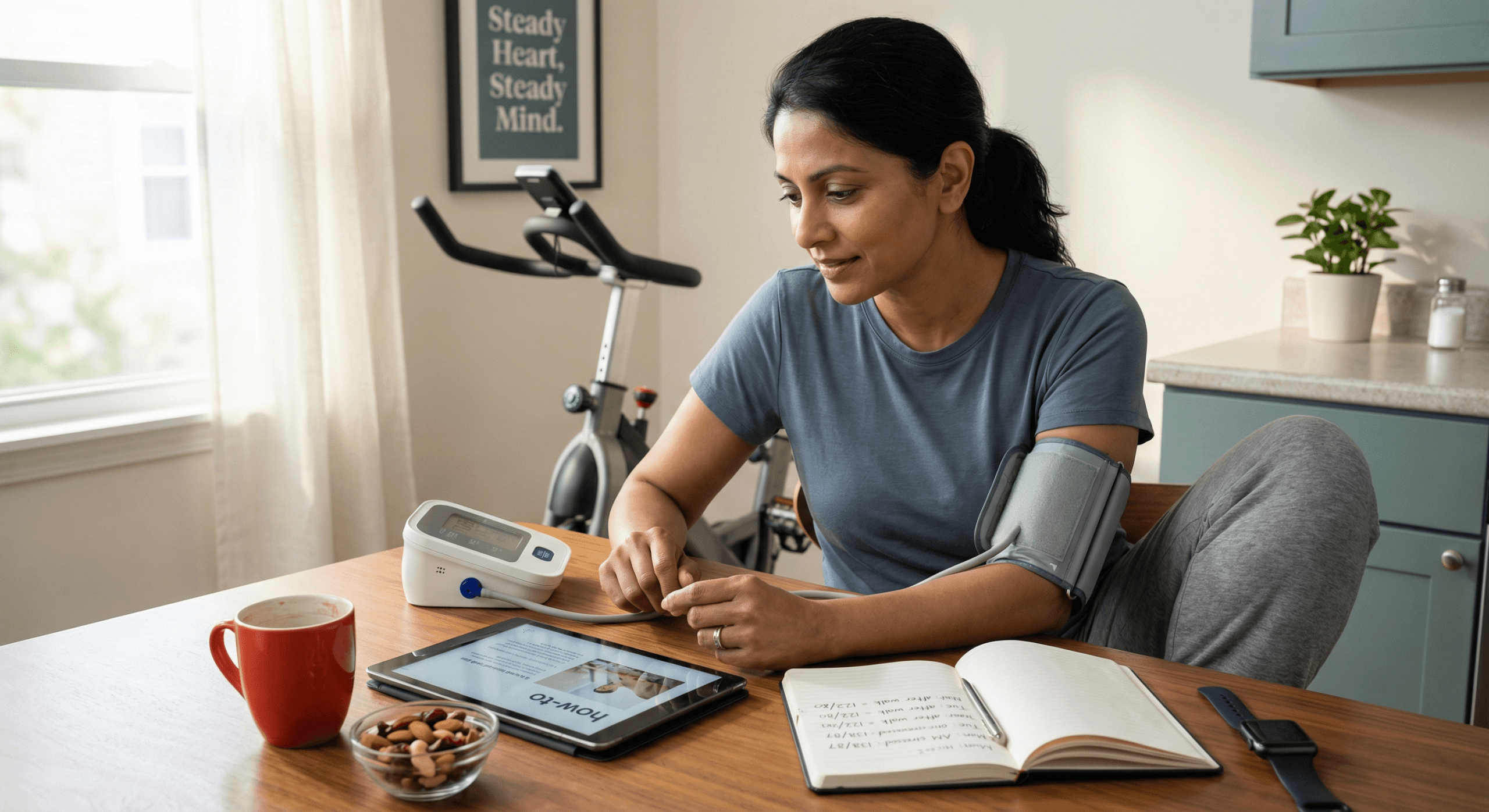
- Use a validated arm cuff monitor listed by the AHA Validated Device Directory for home checks.
- Measure at the same time daily morning is best before coffee or medication.
- Sit back, uncross legs, rest your arm at heart level, and take two readings a minute apart.
- Log numbers weekly to share trends with your clinician.
Good to know: White-coat syndrome temporary spikes at the doctor’s office affects up to 15 percent of patients. Home tracking reveals your true baseline.
Understand Your Risk Without Fear
Elevated blood pressure doesn’t always require medication immediately. The AHA emphasizes that lifestyle changes can significantly lower readings within weeks:
- A diet rich in vegetables, whole grains, and lean proteins (DASH plan).
- At least 150 minutes of moderate activity weekly (U.S. Physical Activity Guidelines).
- Less than 2,300 mg of sodium daily (~1 teaspoon of salt).
- Avoiding tobacco and limiting alcohol to one drink per day for women, two for men (CDC Healthy Living).
These shifts reduce stroke risk by as much as 20 percent over time and often make medications more effective if needed. Just as preventive checkups catch concerns early, regular blood-pressure monitoring gives you data to act on before problems develop.
Try Micro-Habits That Support a Healthier Heart
Move often: Take five-minute walk breaks each hour. Even short bouts improve vascular function, says the National Institutes of Health. Research on morning versus evening workouts shows that consistency matters more than timing find what fits your schedule.
Breathe slowly: Studies on paced breathing show drops in systolic pressure after ten minutes of practice daily. Try inhale 4 seconds, exhale 6. This technique mirrors the micro-moments of calm that help regulate stress throughout the day.
Sleep 7–9 hours: Short nights interfere with blood-pressure regulation (CDC Sleep and Heart Disease). Create a digital curfew and keep bedtime consistent.
Hydrate and limit soda: Sugar-sweetened beverages are linked to higher hypertension rates in women (Harvard T.H. Chan School of Public Health).
Eat balanced meals: Following smart nutrition principles that pair lean protein with fiber-rich carbs helps stabilize both blood sugar and blood pressure.
When to Call Your Doctor
Seek care promptly if:
- Your home readings stay above 130/80 for several days in a row.
- You feel chest pain, shortness of breath, severe headache, or vision changes (>180/120 mm Hg is a hypertensive emergency call 911).
- You’re already on blood-pressure medicine but develop dizziness or swelling.

Knowledge of blood pressure numbers explained turns awareness into timely action.
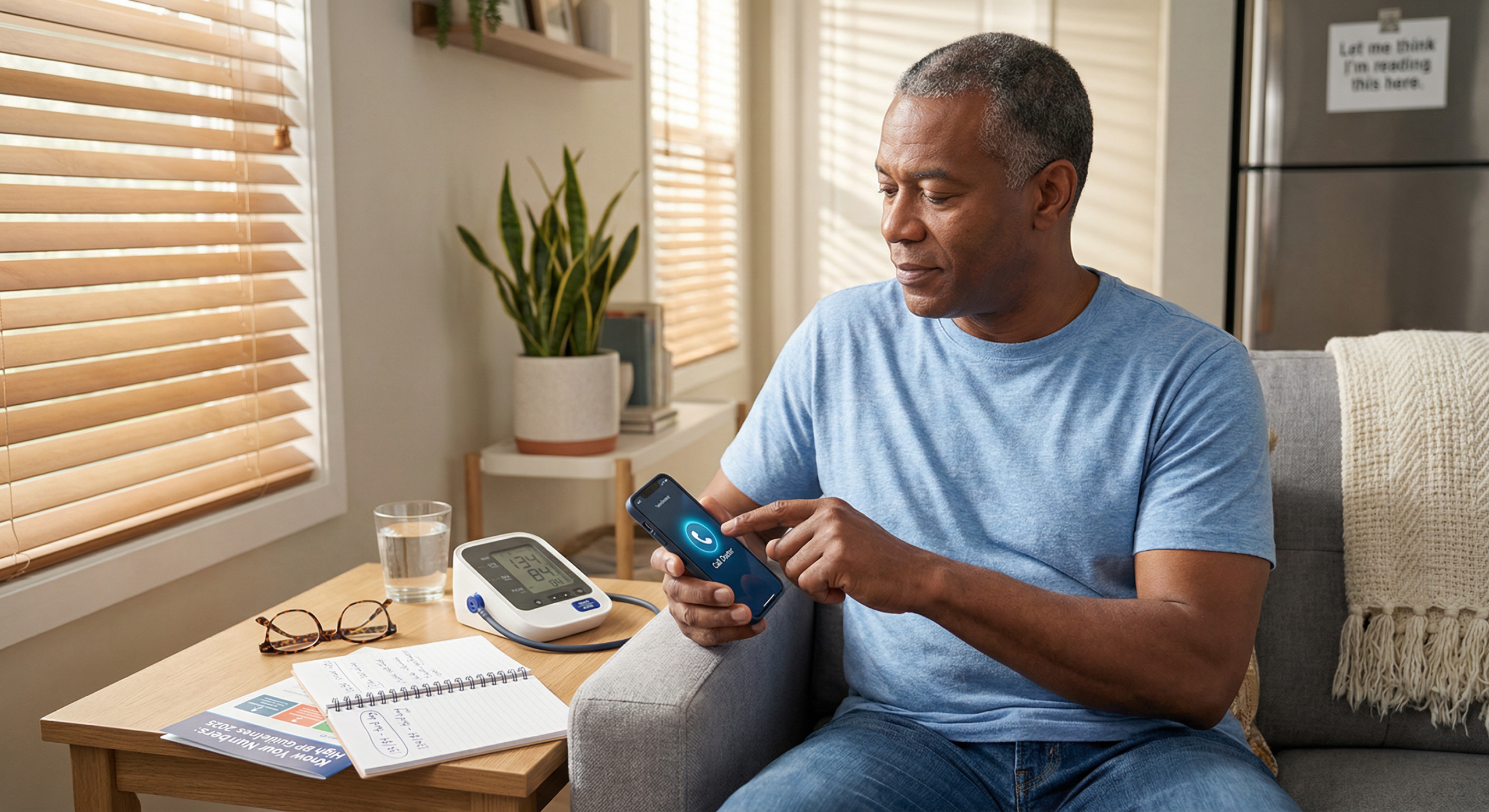

Early consultation lets providers adjust therapy before damage occurs. The AHA reports that controlling blood pressure can cut stroke risk by nearly 30 percent.
Address the Emotional Side of Your Numbers
Heart health isn’t just physical; fear and self-blame can escalate stress hormones, ironically bumping numbers higher. The American Psychological Association encourages stress-management techniques such as mindful breathing, gentle exercise, and seeking social support.
If checking your monitor spikes anxiety, reduce frequency—perhaps every other day instead of hourly until you and your clinician find a rhythm that promotes information, not obsession. Building emotional hygiene habits can help you respond to health data with calm curiosity rather than fear.
Small Steps, Shared Progress
Celebrate every fraction of improvement. A drop of 5 points in systolic pressure lowers the risk of heart disease and stroke by 10 percent (AHA Research Highlights). Keep a simple chart on the fridge or phone and mark progress like mileage on a road trip you’re traveling toward long-term peace of mind.
Knowledge Calms the Heart
A blood-pressure reading is data, not doom. Knowing your numbers and understanding what moves them—turns fear into agency. With knowledge from trusted sources like the AHA and CDC, you can pivot from worry to action and build a routine that honors your heart without fear.
Takeaway
Blood-pressure numbers describe how your heart and arteries work together, not a measure of character. Consistent readings, accurate measurement, and simple everyday habits nutrient-rich meals, movement, rest, and stress management can help maintain heart health according to guidance from the American Heart Association, CDC, and NIH.
This content is for educational purposes and does not substitute for professional psychological or therapeutic help.