

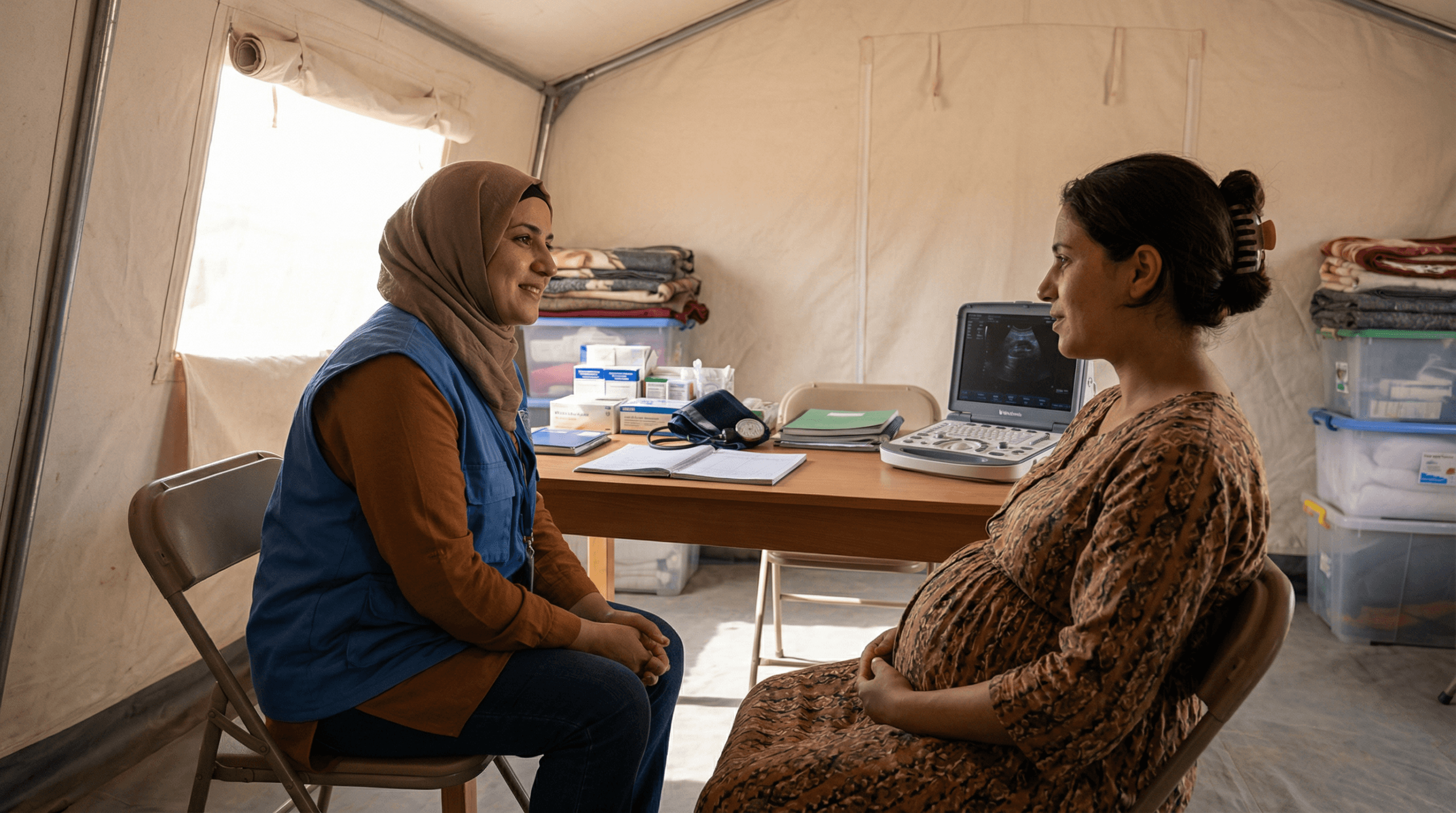
Conflict and Instability Make Pregnancy More Dangerous, WHO – HRP Brief
The World Health Organization (WHO) and its co-sponsored program HRP have released a technical brief showing that nearly two-thirds of all maternal deaths occur in countries experiencing conflict or institutional fragility. For women in these contexts, the risk of dying from pregnancy-related causes is around five times higher than for those in stable nations. Researchers say the findings draw a direct line between security, health-system function, and the fundamental right to safe childbirth. For more on how global health agreements shape emergency preparedness, see our coverage of WHO Members Advance Pathogen Access and Benefit-Sharing Annex Negotiations.
A Stark Statistical Picture
According to the joint analysis, an estimated 160,000 women died from preventable maternal causes in fragile and conflict-affected settings during 2023. That figure represents six out of every ten maternal deaths globally even though these nations account for only about 10 percent of the world’s live births. Similar data-driven tracking appears in our analysis of CDC Updates Show Steady Flu Activity Entering February 2026, highlighting how consistent surveillance guides public-health response across domains.
When researchers compared Maternal Mortality Ratios (MMRs) across contexts of stability, the contrast was striking:
- Conflict-affected countries: 504 maternal deaths per 100,000 live births
- Institutionally or socially fragile countries: 368 per 100,000
- More stable countries: 99 per 100,000
These numbers show how conflict and collapse disrupt lifesaving care. They also build on the WHO’s 2024 Trends in Maternal Mortality 2000-2023 report, which documented that global progress had stalled after two decades of steady improvement.
How Fragility Becomes Fatal
In fragile or war-torn environments, each link of the maternal care chain is vulnerable to disruption. Experts outline five recurring threats:

- Security barriers: armed violence restricts the movement of expectant mothers and care providers.
- Destroyed infrastructure: electricity outages and damaged roads cut access to emergency services.
- Financing collapses: salaries for midwives and supplies for clinics vanish just when demand spikes.
- Erosion of trust: communities, uncertain whom to rely on, turn to untrained birth attendants.
- Fragmented governance: when different factions control regions, no one agency bears full responsibility for health services.
For a fifteen-year-old girl living through conflict, the lifetime risk of dying from maternal causes in 2023 was 1 in 51, a grim contrast to 1 in 593 in stable states.
Beyond violence, social margins amplify vulnerability. Adolescent mothers, migrant women, and minority ethnic groups encounter both discrimination and physical barriers long before crisis peaks.
Country Snapshots of Resilience
While the numbers are sobering, some countries show that progress is possible even amid instability. The brief spotlights examples of local innovation.
Colombia
In rural areas still affected by security threats, traditional birth attendants are now trained as first responders linking indigenous knowledge with modern obstetric care. These trusted figures mobilize transport, reduce stigma around hospital births, and relay data when roads are blocked.
Ethiopia
After internal conflicts isolated villages, Ethiopia deployed mobile midwifery teams and used renewable energy to power rehabilitated clinics. Even small-scale infrastructure investments restored continuity of care.
Haiti
Haiti faces both instability and natural disasters. Free cesarean services and reliable hospital electricity have reduced deaths for displaced and low-income women, underscoring that cost barriers can be as deadly as distance.
Myanmar, Papua New Guinea, and Ukraine
In diverse settings, each country improved maternal outcomes by prioritizing safe, respectful care even when national coordination was strained. Ukraine relocated maternity wards to lower-risk regions, while Papua New Guinea expanded training for community midwives to reach cut-off communities.
These national stories mirror personal resilience themes explored in Emotional Hygiene: Daily Habits That Protect Your Peace, reminding us that community- and self-care go hand in hand.
Using Data to Drive Action
WHO and HRP describe their new “fragility-aligned” maternal mortality dataset as a roadmap for policy and investment. Mapping where conflict and weak governance overlap with high MMRs lets donors direct funds more strategically.

They recommend three urgent steps:
- Invest in Primary Health Care so antenatal and obstetric services continue when hospitals shut.
- Strengthen Data Collection to capture deaths often missed in remote or contested zones.
- Design Resilient Health Systems that can adapt to shocks with portable clinics, local supplies, and backup power.
“Maternal mortality,” the brief states, “is a barometer of systemic resilience and social equity.”
Ripple Effects of Maternal Loss
At Community Level
In conflict zones, pregnancy remains life-threatening as women navigate mined roads or closed wards. Community midwives and motorbike ambulances often stand between life and death.
Every maternal death has economic and emotional aftershocks: children left motherless are less likely to attend school or receive proper nutrition, perpetuating poverty and gender inequality.
At Policy Level
Governments can use these findings to embed maternal health into emergency planning. Integrating midwifery teams into civil defense or refugee operations guarantees continuity of care. Recovery plans must include rebuilding maternity infrastructure and incentivizing midwife training so services return quickly after crisis.
Regional Collaboration
Regional organizations like the African Union and ASEAN could use this fragility-aligned data to pool procurements and standardize midwife training, allowing professionals to cross borders for emergency deployments.
Global Responsibility and SDG Commitments
At the global stage, the findings revive attention to Sustainable Development Goal 3.1: fewer than 70 maternal deaths per 100,000 live births by 2030. Many fragile states exceed that ratio five-fold.
Funding tools like the World Bank’s IDA Crisis Response Window and the Global Financing Facility are expected to apply the WHO-HRP data when channeling maternal health resources into conflict-affected areas. Aligning humanitarian aid with long-term development budgets can avoid service gaps once emergencies end.
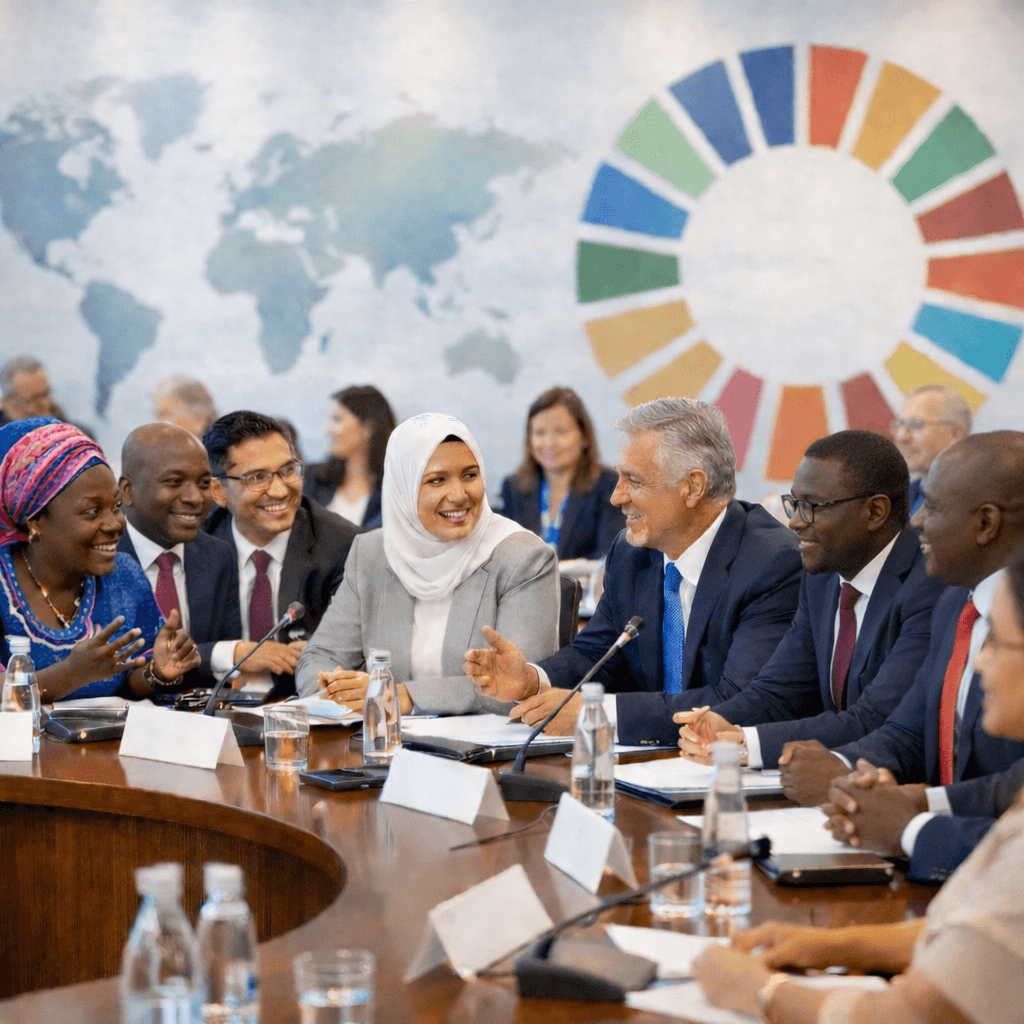
Humanitarian organizations are also adapting. By including maternal and reproductive care in the first phase of emergency response rather than as a later add-on many lives can be saved in future displacement crises.
Gender Equity and Human Rights
The imbalance of maternal mortality in fragile settings is, at its core, a gender justice issue. Conflict often increases gender-based violence and child marriage, which drive adolescent pregnancies and obstetric injuries such as fistula.
From a rights perspective, governments are obligated under international law to provide safe maternal care without discrimination. The WHO-HRP brief therefore bolsters evidence for accountability under the right to health and the right to life.
Turning Data Into Policy and Peace
Maternal-death registration is often patchy in conflict zones. By linking fragility indices to mortality data, WHO and HRP offer governments a clearer picture of need. These metrics can also inform peace talks: including protection of medical facilities in ceasefire agreements turns data into a negotiating tool for humanitarian law.
Building Resilience Through Adaptation
Even where instability persists, resilient health systems can adapt. Flexible funding, community volunteers, and civil-society partnerships help deliver care when governments cannot. The report warns that ignoring maternal health in fragile settings risks not only lives but overall security: when mothers die, the social fabric tears and economies falter.
A Unified Call to Action
WHO and HRP urge countries to treat maternal mortality in fragile contexts as both a health and peace-building priority. They call for reproductive health services to be built into ceasefire clauses, refugee policies, and state-building budgets. As global leaders look toward 2030, the message is clear: reducing maternal deaths cannot be separated from reducing conflict and fragility.

Takeaways
- Nearly two-thirds of maternal deaths occur in conflict or fragile states.
- 160,000 women died in 2023 in these contexts, despite representing only 10% of births.
- Maternal mortality ratios range from 504 (per 100,000) in conflict zones to 99 in stable countries.
- Young women in war-torn regions face a 1 in 51 lifetime risk of maternal death.
- Real-world examples (Colombia, Ethiopia, Haiti, Myanmar, Papua New Guinea, Ukraine) highlight successful community initiatives.
- Priority actions: invest in primary care, strengthen data, build resilient infrastructure.
- Maternal health is a measure of systemic stability and social equity.
Disclaimer: This article summarizes information from the World Health Organization (WHO) and HRP (17 Feb 2026). It is intended for general education and not medical or policy advice. For official guidance, consult WHO resources and qualified public-health experts.
Source
World Health Organization (2026). Conflict and Instability Make Pregnancy More Dangerous.