


The average person checks a phone about 150 times a day. What if even five of those moments became short pauses for calm rather than mini stress bursts?
Modern life rarely pauses for breath, yet our bodies are biologically wired to need those pauses. The surprising truth, backed by research from the World Health Organization (WHO) and Harvard Health, is that nurturing calm in small increments not only in long meditation sessions may help reduce heart strain, improve focus, and gently regulate mood.
The Science of Small Mindful Pauses
Stress shapes the body through hormones such as cortisol and adrenaline. Chronic activation of these systems increases risk of high blood pressure and heart disease CDC, 2023.
Mindfulness paying purposeful, non‑judgmental attention to the present has been shown to activate the parasympathetic (“rest‑and‑digest”) response. A meta‑review published by the National Institutes of Health found that consistent mindfulness practice can support reductions in perceived stress, anxiety, and fatigue.
Harvard Health reports that even short bouts, two to five minutes, may lower temporary blood‑pressure spikes and ease muscle tension. Small, repeated attention breaks strengthen emotional regulation networks in the brain, particularly the prefrontal cortex and anterior cingulate areas that help us pause before reacting impulsively.
In plain language: mindful micro‑moments train our stress “brake pedal.” They don’t erase problems; they change how quickly the body revs down after challenge.
Practical Micro-Mindfulness for Everyday Life
Each of these practices fits into real‑life moments without needing quiet rooms or cushions. They take 30 seconds – 3 minutes.
Breath Reset at Red Lights: Whe n stopped in traffic or waiting for a download, take three slow breaths. Inhale to a count of four, exhale to six. This longer exhale stimulates the vagus nerve, supporting relaxation.

Mindful Sip Ritual: As you drink water, coffee, or tea, notice temperature, aroma, first taste. Simple sensory awareness interrupts autopilot and brings the nervous system back to baseline.

Walk and Notice 5‑4‑3‑2‑1: On any walk, silently name: five things you see, four you hear, three you can touch, two you smell, one you taste. Used by therapists as a grounding technique, it may help resolve acute anxiety spikes APA Mindfulness Practice Guideline, 2021.

Tech Transition Breath: Before opening email or social media, pause with both feet flat on the floor. Breathe once and consciously relax shoulders. This micro‑pause helps prevent the “amygdala hijack” the flood of reactive stress before reading digital alerts, Harvard Mind Body Letter
Compassion Check: When criticism arises toward yourself or others mentally whisper, “A moment of being human.” Self‑compassion practices can lower shame and support emotion regulation.

Why These Tiny Moments Matter
Many people dismiss “short” mindfulness as too little to matter. But cumulative micro‑moments may buffer stress similarly to how multiple brief walks add up to physical fitness.
- Heart Health: WHO cardiovascular guidelines highlight stress management as part of heart‑risk reduction. Mindful breathing can lower pulse and blood‑pressure variability.
- Mental Clarity: NIH‑backed research shows repeated attention training improves executive functioning and working memory.
- Sleep Support: Evening micro‑practices slower exhale breathing or sensory awareness may encourage smoother nighttime heart‑rate transitions Harvard Sleep Research.
Even small changes can ripple outward. A two‑minute calm break before family conversations can shift tone and prevent emotional escalation a realistic, humane outcome.
Overcoming Real‑Life Barriers
“I don’t have time.” You can graft mindfulness onto existing habits: notice the feel of water during handwashing, the first step after standing, or the sound of boiling water.
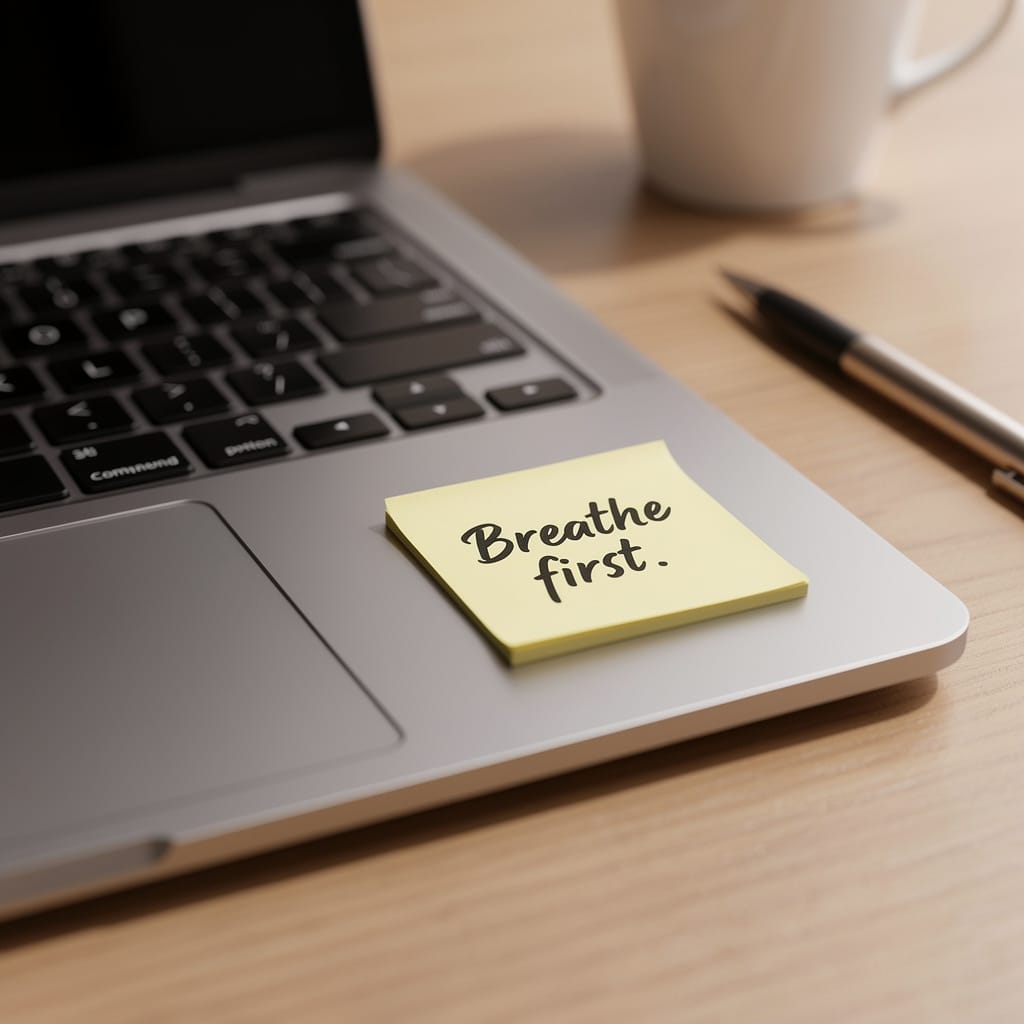
“I keep forgetting.” Use cues: place a dot sticker on your phone, mirror, or laptop. Each glance becomes a breathing reminder.
“My mind won’t stop racing.” Perfect quiet isn’t required. The point is noticing the return each recognition of distraction is mindfulness. Think of it as a mental rep at the gym rather than failure.
“I feel silly doing this.” Normal. The early stages of any new routine feel awkward. Over time, calm becomes contagious people often notice they’re less reactive, not necessarily more “serene.”
Integrating Micro-Calm into Systemic Wellness
A balanced lifestyle multiplies the benefits of mindfulness. Combine micro‑moments with:
- Movement: WHO recommends 150 minutes weekly of moderate activity; brisk walking counts.
- Nutrition: Stable blood sugar helps stabilize mood. Emphasize whole grains, produce, lean proteins (CDC Healthy Eating Guidelines).
- Sleep: Aim for 7–9 hours; consistent sleep strengthens the same areas of the brain leveraged by mindfulness.
- Social Connection: Even brief positive exchanges calm stress hormone surges.
Mindfulness isn’t a solo act; it works best in a climate of general self‑respect and practical support.
Closing Insight
Mindfulness doesn’t demand monastery silence or an hour on a cushion. It simply invites noticing, one breath at a time. The more we notice, the more freedom widens in heartbeats, words, and choices.
Stress will always flash its signals, but micro‑moments of attention can turn those flashes into gentle reminders: breathe, sense, reset. Over weeks, these pauses weave a steadier rhythm between doing and being the kind of rhythm a healthier, happier world could use more of.