
Self-Care for Parents: Practical Strategies When Time Feels Impossible
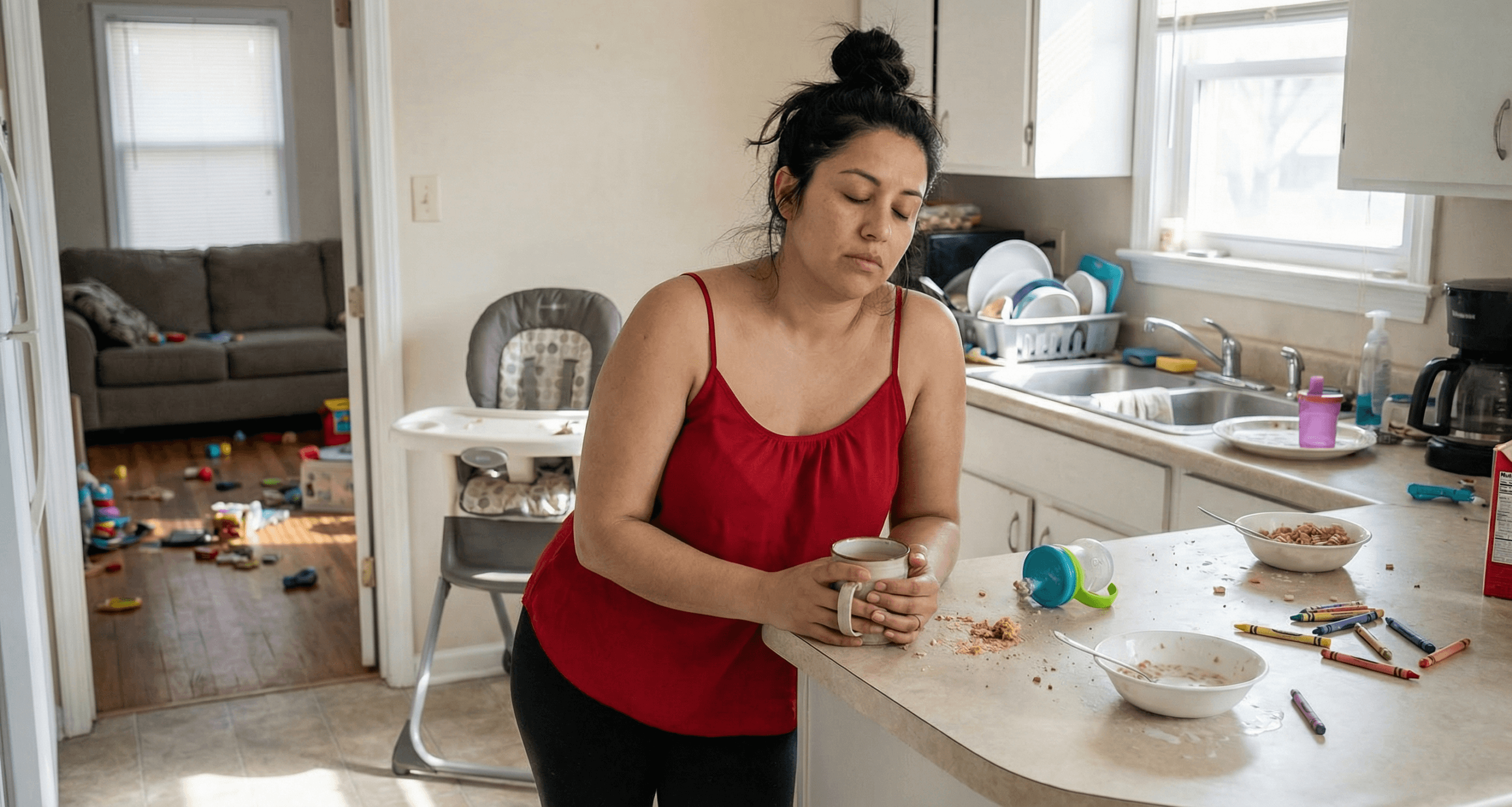
The moment you finally sit down, someone needs something. Your coffee has gone cold three times. You haven’t eaten a meal sitting down all week just kids’ leftovers while cleaning up. You planned a “self-care morning” and your toddler had a meltdown, derailing everything.
If this sounds familiar, you’re not alone. Self-care for parents looks nothing like what wellness culture promises. The bubble baths, spa days, and hour-long yoga sessions assume time and freedom that most parents simply don’t have. The advice that worked before kids regular gym sessions, uninterrupted reading, spontaneous plans with friends doesn’t translate to parenting life.
This isn’t a failure of willpower or time management. The demands are genuinely relentless. And acknowledging that reality is the first step toward finding self-care strategies that actually work within your constraints.
Why Self-Care Feels Impossible for Parents
The Reality: Parenting Demands Are Relentless
Let’s start with validation, because you probably don’t hear this enough: parenting is relentless and intensive in ways that people without children genuinely cannot understand. The demands don’t pause. There’s no clocking out. Even when your children are asleep, part of your brain stays alert for their needs. Even when you’re physically away from them, the mental load of managing their lives continues.
Parenting reshapes how you use your time, often leaving little that feels fully your own. Constant physical demands especially with nursing, co-sleeping, or being climbed on can make your body feel shared. Daily responsibilities also fill your mental space with your child’s schedule, needs, preferences, and safety.
Suggesting you simply “make time” for self-care ignores the fundamental reality that parenting restructures time itself. The hour you used to spend at yoga class now belongs to bedtime routines, homework supervision, or simply recovering enough to function the next day.
The Guilt Trap


Then there’s the guilt. The message that self-care is necessary often comes packaged with an implicit accusation: if you’re not practicing it, you’re failing your kids by being depleted. But when you try to practice it, another voice whispers that you’re being selfish taking time from your children, prioritizing your own needs when they need you.
You feel guilty taking 20 minutes to yourself when your partner is with the kids, even though your partner doesn’t experience this guilt. This guilt trap is particularly intense for mothers, who face cultural expectations of self-sacrificing devotion that fathers typically don’t.
When Self-Care Becomes Another Burden
There’s a troubling tendency to turn “self-care” into another item on the already impossible to-do list. Now you’re supposed to meditate, exercise, journal, maintain friendships, pursue hobbies, and practice mindfulness on top of working, parenting, managing a household, and somehow sleeping.
When self-care becomes another performance metric you’re failing at, it’s no longer care. It’s burden. The irony of feeling stressed about not practicing stress relief is not lost on exhausted parents everywhere.
The Systemic Barriers Are Real
Psychologists Dr. Moïra Mikolajczak and Dr. Isabelle Roskam, who have conducted extensive research on parental burnout at UCLouvain, have found that parental exhaustion isn’t a character flaw or time management failure. It’s what happens when demands chronically exceed resources and support.
Their research identifies parental burnout as a distinct syndrome not about not loving your kids enough or not trying hard enough, but about a structural mismatch between what parenting requires and what parents are given to work with.
Research consistently confirms what many mothers already know: women carry disproportionate mental load and caregiving responsibilities, even in households where both parents work full-time. This invisible work makes self-care structurally harder for mothers, not because they’re worse at time management, but because they’re doing more.
Individual self-care doesn’t fix lack of affordable childcare, parental leave, or unequal domestic labor. You need support, not just better time management and that support often doesn’t exist.
Understanding practices like emotional hygiene can help, but they work best when systemic support also exists.
What Self-Care Actually Means for Parents
Not Bubble Baths and Spa Days
Let’s redefine what we’re talking about, because “self-care” has been co-opted by wellness marketing to mean expensive products, elaborate routines, and Instagram-worthy activities. That’s not what self-care for parents looks like.
“Take a bubble bath” doesn’t help when you haven’t showered in three days and there’s a toddler pounding on the bathroom door. “Book a spa day” assumes disposable income, available childcare, and the mental freedom to actually relax luxuries many parents don’t have.
Self-Care as Survival Maintenance
Self-care for parents is survival maintenance. It’s the minimum required to not completely deplete yourself. It’s less about thriving and more about sustaining giving yourself enough that you can continue functioning, even when functioning is all you can manage.
This might not sound inspiring. Good. Inspiration isn’t what you need. You need realistic, achievable practices that acknowledge you’re operating with severe constraints on time, energy, and support.
The Goal Is Sustainability
The goal is sustainability, not perfection. Not a flawless routine that transforms you into a zen, centered parent who never loses patience. Just practices that help you feel slightly more human, slightly more resourced, slightly more like yourself even if “yourself” feels like a distant memory.
Sustainable self-care means practices that fit your actual life, not an idealized version.
Meeting Basic Needs Counts
Here’s something crucial that often gets overlooked: meeting your basic physical needs counts as self-care. Eating actual meals instead of picking at your kids’ leftover chicken nuggets while standing at the counter. Getting enough sleep (or as close as your children allow). Taking a shower.
These aren’t prerequisites for self-care that you’re supposed to have handled before you get to the “real” stuff. These are the real stuff. When you’re parenting, basic needs become aspirational and meeting them is legitimate self-care.
Multiple Dimensions of Care
Self-care for parents spans multiple dimensions:
Physical self-care might mean a 10-minute walk, not an hour at the gym. It might mean eating a vegetable, not a perfectly balanced meal. It might mean going to a medical appointment you’ve been postponing for months.
Mental self-care might mean five minutes of silence in your car before walking into the house. It might mean reading one article that isn’t about parenting. It might mean saying no to volunteering for that school committee.
Emotional self-care might mean acknowledging that you’re touched-out and that’s valid. It might mean crying in the shower. It might mean texting a friend who gets it.
Social self-care might mean a ten-minute phone call during nap time. It might mean hiring a babysitter so you can have dinner with your partner without discussing the children. It might mean maintaining one friendship that exists outside your identity as a parent.
The Foundation: Basic Needs First
Sleep Is Non-Negotiable
Experts who study parental wellbeing consistently identify sleep as the single most important factor in parental functioning and mental health. Sleep deprivation significantly increases parental stress and decreases patience and emotional regulation results that won’t surprise anyone who’s snapped at their kids after a rough night.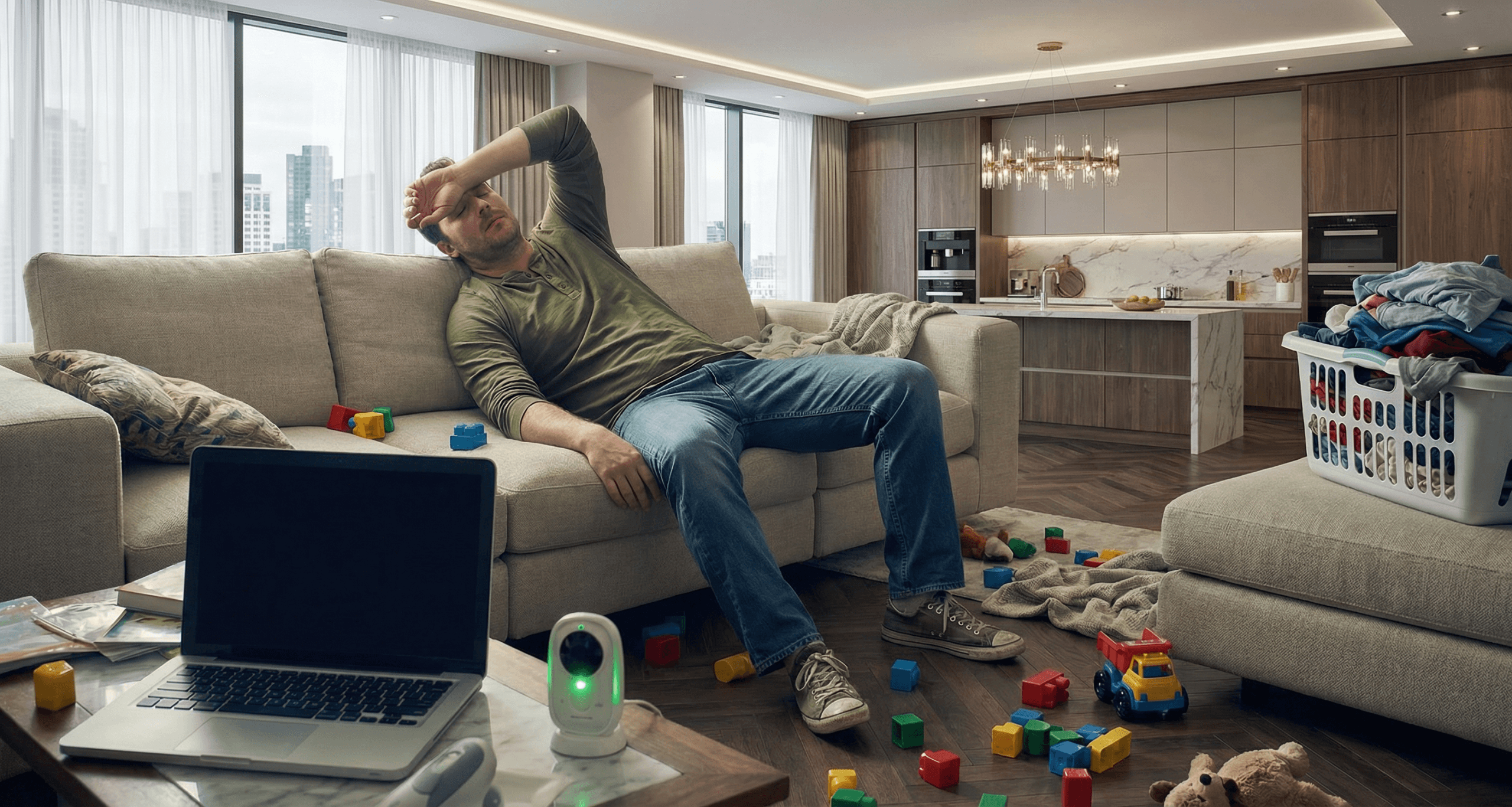
Protecting your sleep is self-care for parents at its most fundamental. This might mean going to bed earlier, even though evening is your only kid-free time (painful, but sometimes necessary). It might mean taking turns with a partner for nighttime wakings. It might mean napping when your kids nap (despite the pressure to “be productive” during that time).
If you’re in a parenting phase where uninterrupted sleep is impossible nursing a newborn, dealing with a child’s sleep regression, managing nighttime anxiety in an older child this is survival mode, and the only advice that applies is: do whatever you can to get through. This phase ends. It doesn’t feel like it, but it does.
Eating Actual Meals
Eating actual meals matters. Not perfectly nutritious, home-cooked meals just food that you consume while sitting down, ideally before you’re shaky with hunger. Many parents, especially mothers, eat last, eat standing up, eat their kids’ leftovers, or forget to eat entirely.
This isn’t martyrdom; it’s unsustainable. Making yourself a plate when you make your kids’ plates is self-care. Eating a real breakfast before the chaos starts is self-care. Keeping easy protein snacks accessible for yourself (not just for the kids’ lunchboxes) is self-care.
Basic Hygiene Counts
If you managed to shower today, that’s an accomplishment worth acknowledging, not a baseline you fell short of because you didn’t also exercise, meditate, and pursue a hobby. The bar is on the floor for a reason. The floor is where we are.
Basic hygiene showering, brushing teeth, wearing clean clothes counts as self-care in intensive parenting phases. If the wellness industry makes you feel like these don’t count because they’re “basic,” the wellness industry doesn’t understand parenting.
Lowering Standards Is Strategic
Lowering your standards is not giving up it’s strategic self-preservation. The house doesn’t need to be clean; it needs to be functional. The kids don’t need elaborate homemade meals; they need to be fed. You don’t need to respond to every email immediately; most things can wait.
KC Davis, a licensed professional counselor and author of How to Keep House While Drowning, writes about the concept of “care tasks” rather than “chores” framing household maintenance as morally neutral tasks that serve functionality, not virtue. The dishes aren’t a measure of your worth. Lowering standards around these tasks isn’t laziness; it’s recognizing that something has to give, and your wellbeing shouldn’t be the thing that gives.
Asking for Help
Asking for help is self-care though I know this advice can feel hollow if you don’t have help available to ask for.
Delegate tasks to your partner in a way that includes both execution and the mental load of planning and remembering. Accept help from nearby family when they offer, even if it feels like an imposition. Use available resources to explore hiring support for cleaning, laundry, or childcare when possible, even on an occasional basis.
Parenting without a partner, nearby family, or financial support creates a real barrier, not an imagined one. In that situation, explore creative options like exchanging help with other parents or tapping into available community resources. Acknowledge that your circumstances are more demanding and adjust your expectations accordingly.
Learning to delegate without guilt can help shift the internal resistance many parents feel about accepting support.
Micro-Moments: Self-Care in the Cracks
5-Minute Practices That Actually Work
Here’s the brutal truth about self-care for parents: you often won’t have thirty-minute blocks. You won’t have hour-long windows. What you’ll have are cracks small moments scattered throughout chaotic days where something for yourself might be possible.
Learning to use these cracks is the key to parental self-care. Not waiting for the perfect opportunity that rarely comes, but taking what you can get in the moments that exist.
Five-minute practices that actually work
Step outside alone for fresh air. Not a mindful nature walk, just breathing outdoor air without someone asking you for something.
Drink a hot beverage while it’s still hot. This sounds absurd as self-care advice, but if you’re reheating the same cup of coffee three times every morning, actually drinking something warm is a genuine upgrade.
Stretch your body for three minutes. Not yoga class, just moving your neck, shoulders, and back after carrying, bending, and lifting small humans all day.
Morning Coffee Before Chaos
If mornings are particularly brutal in your house, consider whether protecting ten minutes before the kids wake up is possible. This isn’t the “wake up at 5am for self-care!” advice you’ve heard and rightly dismissed. It’s specifically: if your kids wake at 6:30, can you set an alarm for 6:20 and have coffee in silence?
If the answer is no because you’re too exhausted from nighttime parenting, that’s valid. If the answer is maybe, the trade-off might be worth it. Small morning rituals even just sitting with coffee before the chaos can set a different tone for the day.
Bathroom Privacy as Sacred Boundary
Lock the bathroom door and sit for a few minutes longer than necessary. Yes, they’ll probably knock. But those two extra minutes of silence matter.
Bathroom privacy is one of the few boundaries that even small children can learn. “Mommy/Daddy is in the bathroom. I’ll be out in a few minutes.” Practice saying this without guilt. You’re allowed to use the bathroom alone.
The Parking Lot Pause
Your “self-care” is sitting in your car in the Target parking lot for 10 minutes after grocery shopping. This is legitimate.
You’ve done grocery shopping with kids in tow, survived the checkout, loaded everyone back into the car. Before driving home, you sit in the parking lot for ten minutes scrolling your phone while the kids watch a video. This is self-care. Taking a few minutes of stillness between demands is not laziness.
Bedtime Routine for You
We obsess over kids’ bedtime routines bath, books, songs, tucking in but often collapse into bed ourselves without any transition. Even a five-minute routine signals to your nervous system that the day is ending: washing your face, putting on comfortable clothes, a few minutes reading something that isn’t on a screen.
It doesn’t have to be elaborate. It just has to be something that acknowledges your transition matters too.
Screen Time Can Be Rest
You finally sit down after getting kids to bed, and you’re too exhausted to do anything but scroll your phone that’s not laziness, that’s depletion.
Scrolling your phone can be rest. Not the most restorative rest, but rest. If all you can manage after the kids go to bed is lying on the couch looking at Instagram, that’s not failure. That’s a depleted person doing what depleted people do. The goal over time might be diversifying what rest looks like for you, but in survival mode, screen rest counts.
Resources on micro-recovery strategies can offer additional ideas for finding rest in small moments.
Boundaries That Protect Your Energy
Saying No to Non-Essential Commitments
Self-care for parents isn’t just about what you add. It’s about what you protect—creating boundaries that preserve some time and energy for yourself.
Saying no to non-essential commitments is self-care. Skip some birthday parties when they don’t fit your capacity. Decline volunteer opportunities that stretch you too thin. Set boundaries around family gatherings instead of accommodating every request. You’re allowed to decline invitations without elaborate excuses. “That doesn’t work for us” is a complete sentence.
Protecting One Window Per Week
Protecting one small window per week creates something to look forward to. Maybe it’s Saturday morning when your partner handles the kids and you go to a coffee shop alone. Maybe it’s Wednesday evening when the kids have an activity and you get 45 minutes to yourself.
Even one protected window can sustain you through the rest of the week’s chaos. Put it on the calendar. Treat it as non-negotiable.
“Not Right Now” Is Valid
“Not right now” responses to children aren’t neglect they’re modeling that parents are people with needs too. Obviously this applies differently at different ages.
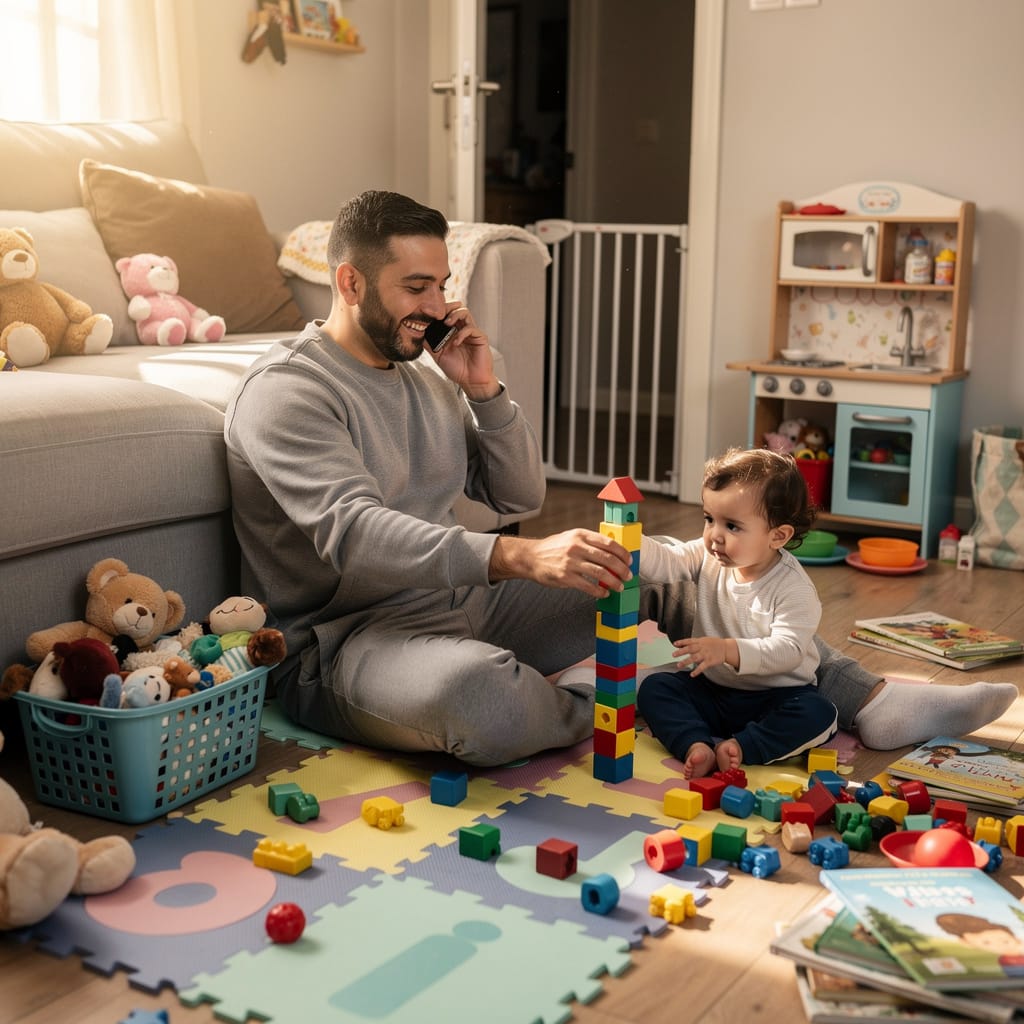
A crying infant needs immediate response. But a 4-year-old asking you to play while you’re in the middle of something can hear “I need to finish this, and then I can play with you.” A 10-year-old can understand “I need some quiet time right now let’s connect in thirty minutes.”
Teaching children that your time and needs matter prepares them for a world where other people’s needs matter too.
Tech Boundaries
Tech boundaries support mental self-care. Turning off notifications, especially work email, during evening hours. Keeping your phone in another room during specific times. Having a “no phones at dinner” rule that applies to you too.
The constant ping of notifications keeps your nervous system activated. Creating periods of tech quiet is a form of self-care that costs nothing.
Actually Leaving
If you have a partner: asking them to take over completely and actually leaving the house removes the option of stepping in. When you’re in the next room, you hear everything and part of you stays on duty. When you’re at a coffee shop, at a store, taking a walk the break is real.
If your partner can handle the kids but you feel guilty leaving, notice that feeling as a barrier worth examining. Are you actually needed, or do you just feel like you should be present?
Self-Care by Parenting Stage
With Infants and Toddlers
With infants and toddlers, you’re in survival mode, and self-care means survival practices. Sleep when you can. Eat food. Accept help. Lower every possible standard. Do not compare yourself to parents of older children who have more freedom.
Your self-care might be napping during nap time instead of “being productive.” It might be putting the baby in a safe place (crib, playpen) so you can take a five-minute shower. It might be wearing the same clothes three days in a row because laundry isn’t happening and that’s fine.
This phase is finite. It doesn’t feel like it when you’re in it, but it is.
With School-Age Kids
With school-age children, small pockets of time start to emerge. School hours can open up blocks of time, even if work ends up filling them. Encourage kids to entertain themselves for short periods so you can carve out small moments. Teach them to respect your need for quiet time and establish clear boundaries.
Self-care in this phase might mean using the first 15 minutes after school drop-off for yourself before errands or work. It might mean establishing “quiet time” even though kids no longer nap. It might mean having older kids help with tasks, reducing your load.
With Teenagers
With teenagers, the intensity shifts. You’re less physically exhausted but perhaps more emotionally drained. Your presence is needed differently less constant supervision, more emotional availability for conversations that happen at unpredictable times (often late at night, because teens).
Self-care might mean protecting your own social connections even when teen drama makes you want to hover. It might mean having interests outside parenting as teens become more independent. It might mean therapy to process how your identity shifts as active parenting diminishes.
Single Parents
For single parents, every suggestion that involves a partner taking over doesn’t apply, and it’s frustrating to read advice that assumes co-parent support.
Self-care when you’re solo might mean reciprocal arrangements with other parents (swap childcare to give each other breaks). It might mean being strategic about which commitments you take on since you can’t divide and conquer. It might mean accepting that your version of self-care will look different, not because you’re failing but because your circumstances are genuinely harder.
And it might mean advocating for systemic support affordable childcare, reasonable work policies for parents that would actually address the structural lack rather than putting it all on individual effort.
Movement, Connection, and Mental Health
Movement That Fits Real Life
Physical movement helps parental wellbeing, but gym-based, hour-long, scheduled workouts aren’t realistic for many parents.
What does work:
Walking. With kids in a stroller, alongside kids on bikes, or alone if you can carve out the time. Walking requires no equipment, no gym membership, no childcare, and can happen in short increments.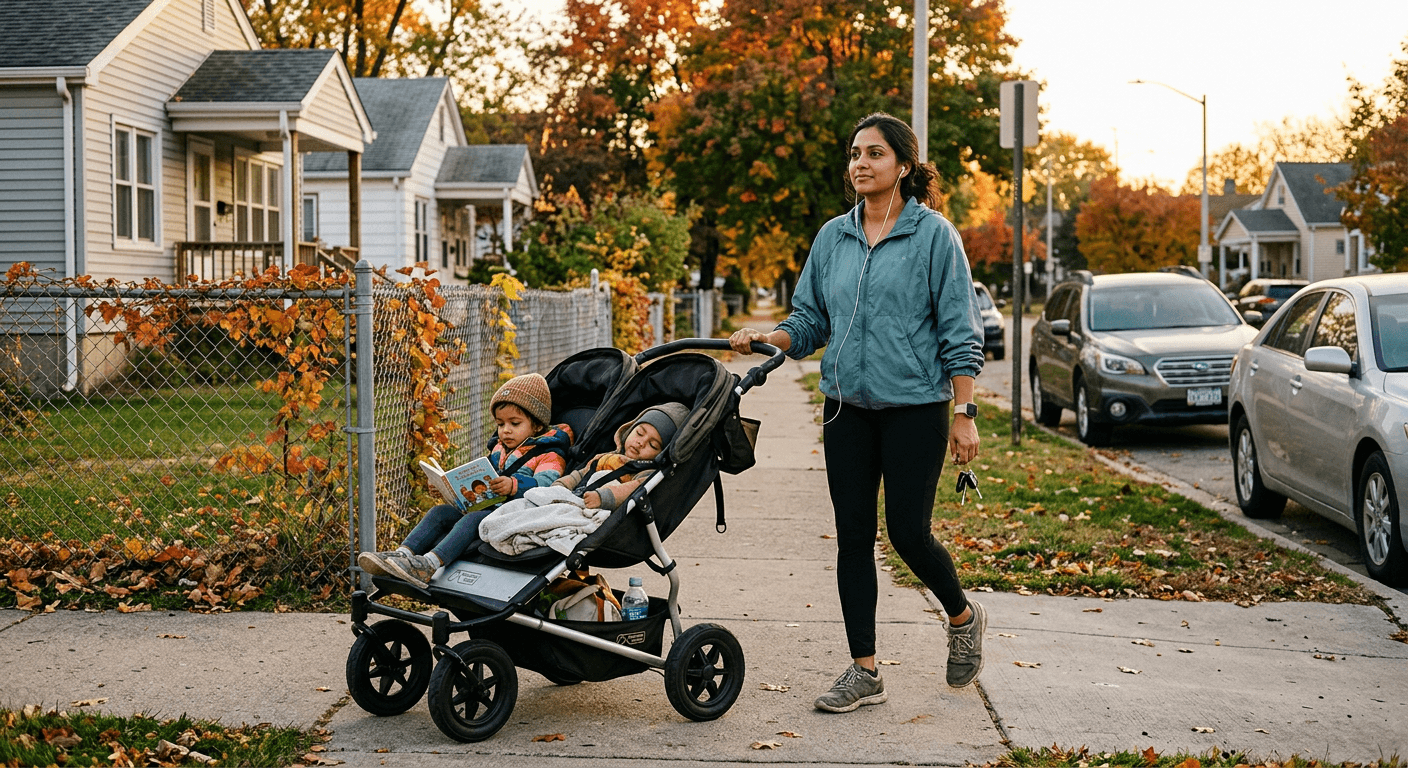
Dancing in your kitchen while making dinner. It sounds silly, but movement is movement, and it can actually make the endless dinner-making feel less tedious.
Stretching for five minutes while kids watch TV. Your body carries the physical stress of parenting, and five minutes of stretching addresses that without requiring a yoga class.
Social Connection Matters
Parenting can be profoundly isolating, even when you’re never actually alone. You’re surrounded by children who depend on you, but that’s not adult connection. Maintaining friendships even in diminished form supports your wellbeing.
A 10-minute phone call while kids play in the background counts. A texting friendship where you check in regularly counts. One social dinner per month with adult friends counts. The bar is not maintaining your pre-parent social life. The bar is some connection that exists outside your parenting identity.
Therapy Is Wisdom, Not Weakness
Therapy or support groups are not weakness they’re wisdom. If you’re struggling with parental burnout, persistent exhaustion that sleep doesn’t fix, feelings of resentment toward your children or partner, or loss of identity in the parenting role, professional support can help.
Therapists who specialize in maternal mental health or parenting transitions understand these dynamics. Organizations like Postpartum Support International offer resources and support groups for parents struggling beyond typical exhaustion. And despite the name, “postpartum” issues can extend well beyond the first year.
If you’re unsure whether what you’re experiencing warrants professional support, resources on when to seek help for anxiety can offer guidance.
Hobbies Still Matter
You are a person beyond your parenting role, even if that person feels buried. Hobbies and personal interests matter, even in 15-minute increments.
Reading a chapter of a book you’re reading for yourself (not parenting books those don’t count as hobby). Knitting a few rows while kids do homework. Gardening for short bursts. Drawing, writing, playing music whatever used to bring you joy. Not performing at a high level, not producing anything impressive. Just connecting with a part of yourself that exists outside parenting.
Exploring the process of reclaiming identity after kids can support this reconnection with who you are beyond parenting.
Time Outdoors Helps
Experts who study stress and wellbeing have found that time in nature even brief exposure to outdoor environments helps regulate the nervous system and reduce stress hormones.
This doesn’t require hiking or elaborate outdoor adventures. It might mean sitting on your porch for five minutes. Taking a short walk around the block. Eating lunch outside instead of at the kitchen counter. Having coffee on your steps while kids play in the yard. Fresh air and daylight count as self-care.
Building a Realistic Routine
Start With One Practice
Here’s how to actually build sustainable self-care practices: Start with one thing. Not a complete overhaul. Not a morning routine, an evening routine, an exercise plan, and a meditation practice. One practice that you can do most days.
Maybe it’s drinking a glass of water when you wake up. Try going to bed by 10:30. Take a 10-minute walk three times this week. Choose something small enough to fit your current constraints so you can follow through.
Piggyback on Existing Routines
Piggybacking self-care onto existing routines increases the odds of it happening. After brushing your teeth at night, add two minutes of stretching. During school drop-offs, play music you enjoy instead of defaulting to everyone else’s preferences. When you make coffee, sit down and take time to enjoy it.
Attaching new practices to existing habits means you don’t have to find new time or remember new things. The existing routine becomes the trigger for the self-care practice.
Plan for Disruption
Plan for disruption because kids are chaos. Any routine that requires perfect execution will fail. Self-care “routines” for parents should be more like “things I do when I can” rather than “schedules I follow precisely.”
Your toddler will get sick the week you planned to start exercising. Your teen will have a crisis the night you protected for yourself. The goal is practices that can survive interruption and be picked back up, not rigid routines that collapse when life happens.
Let Go of All-or-Nothing Thinking
Let go of all-or-nothing thinking. You didn’t walk yesterday, so you’re not going to walk today either? That’s all-or-nothing thinking, and it’s the enemy of sustainable practice.
You didn’t walk yesterday. Today is a new day. One walk this week is better than zero walks. Imperfect consistency beats perfect inconsistency.
Track What Actually Helps
Focus on what actually helps instead of what should help. Meditation might increase your anxiety when your mind keeps circling your to-do list. Running may feel exhausting, while a simple walk leaves you refreshed. Baths can lose their appeal when the noise outside the bathroom breaks your calm.
Pay attention to what genuinely restores you and do more of that, even if it’s not what wellness culture says should work.
When Self-Care Isn’t Enough
Recognizing Parental Burnout
Sometimes individual self-care strategies aren’t enough, and recognizing that is important.
Parental burnout is different from normal exhaustion. Normal parenting exhaustion responds to rest when you get a break, you feel better. Parental burnout persists even when you rest.
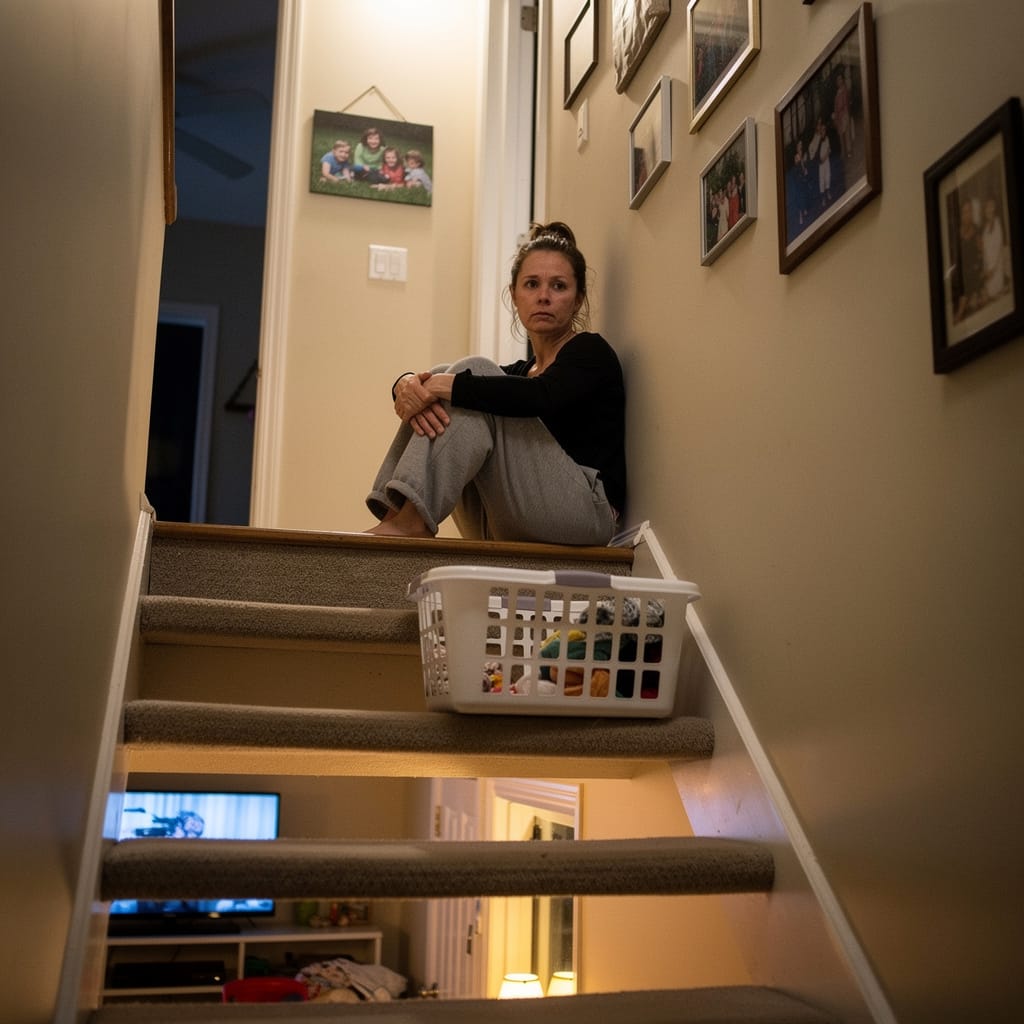
Researchers Mikolajczak and Roskam describe parental burnout as involving overwhelming exhaustion related to parenting, emotional distancing from your children, a sense of being fed up with the parental role, and contrast with the parent you used to be or wanted to be.
If you’re experiencing these symptoms, self-care alone isn’t the answer. Professional support, significant structural change, or both may be necessary.
Postpartum Issues Beyond the First Year
Postpartum depression and anxiety can extend well beyond the first year postpartum, and they’re often not recognized because we expect them only in the early months.
If you’re experiencing persistent low mood, inability to enjoy things you used to enjoy, excessive worry, rage you can’t control, or intrusive thoughts, please talk to a healthcare provider. These are treatable conditions, not character flaws. You’re not failing if it’s hard the demands are real, and sometimes the brain and body need more support than self-care can provide.
When You Need Systemic Support
If you’re doing everything “right” practicing self-care, asking for help, lowering standards and still drowning, the problem may be systemic, not individual. You may need more support than exists in your current situation.
More affordable childcare. A more equitable division of labor with your partner. A job that doesn’t demand the impossible. Family leave policies that don’t exist. Wages that allow for hired help. A village that our society has largely dismantled.
Individual self-care can’t fix systemic problems. It can help you survive them, but the real solution is structural support that many parents simply don’t have access to. If that’s your situation, please know: you’re not failing. The systems around you are failing you.
Talking to Your Doctor or Therapist
If exhaustion, resentment, or emptiness feel overwhelming, talking with a healthcare provider or therapist can help. This isn’t admitting defeat it’s recognizing that parenting in our current culture is genuinely difficult.
When talking to your doctor, be specific: “I’m exhausted in a way that sleep doesn’t fix.” “I feel detached from my children.” “I’m having thoughts I’m worried about.” Healthcare providers can screen for depression, anxiety, thyroid issues, and other conditions that might be contributing to your exhaustion.
Understanding burnout recovery strategies can complement professional support.
Frequently Asked Questions
How do I find time for self-care when my kids are always with me?
You work with micro-moments rather than waiting for blocks of time. Bathroom breaks with a locked door. The five minutes after putting kids to bed before you start cleaning up. Screen time for kids so you can have a few minutes of quiet. Nap time, if your kids still nap. The car ride after you drop kids at activities, sitting in the parking lot for an extra few minutes before heading home. It’s not ideal. It’s not the self-care you imagined. But it’s what’s possible, and it counts.
Is it okay to use screen time so I can have a break?
Yes. The research on screen time is more nuanced than the fear-mongering suggests, and your wellbeing matters too. Letting your kids watch a show so you can sit in silence for twenty minutes is a reasonable trade-off. Your presence doesn’t need to be constant and interactive every moment they’re awake. Sometimes good enough parenting includes screens for them so you can maintain your sanity.
What if my partner doesn’t support my need for self-care?
This is a relationship issue that goes beyond self-care. If your partner doesn’t recognize that you need and deserve time for yourself, or if they expect you to handle all childcare and domestic tasks without breaks, that’s an unequal partnership that needs addressing. This might mean direct conversation about division of labor. It might mean couples therapy. It might mean explicitly scheduling “off duty” time for each of you.
How do I stop feeling guilty when I take time for myself?
What’s the bare minimum self-care I need to survive?
Sleep (whatever version of that is possible in your phase). Food (eaten while sitting down, ideally). Basic hygiene (shower when you can, teeth brushed, clean underwear). Connection (even one text to someone who cares about you). Fresh air (even if it’s standing on your porch for two minutes). That’s it. That’s the floor. Meeting those basic needs is enough in survival phases.
Moving Forward: Progress, Not Perfection
Self-Care Isn’t Linear
Self-care for parents isn’t linear. You’ll have phases where things feel sustainable and phases where survival is all you can manage. The goal isn’t to establish a permanent routine that never wavers but to develop practices you can return to when life allows.
A child gets sick and your self-care disappears for two weeks. A work deadline consumes you and exercise falls away. The holidays demolish every routine you’d built. This is normal. The practice isn’t maintaining perfection it’s returning to self-care when you can, without shame about the interruption.
You’re Not Failing
You’re not failing if self-care feels impossible right now. The intensity of parenting demands, combined with inadequate structural support, makes self-care genuinely difficult. This is a systemic problem that individual strategies can only partially address.
Recognizing this doesn’t mean giving up on self-care. It means releasing yourself from the shame of struggling with something that’s actually hard.
When to Seek Additional Support
If normal exhaustion has become something more if you’re experiencing symptoms of depression, anxiety, or parental burnout please seek support from healthcare providers or mental health professionals.
Resources like Postpartum Support International (which supports parents beyond the immediate postpartum period) can connect you with providers who understand parental mental health.
Small Steps Are Enough
Small steps are enough. One shower. One walk. One meal eaten sitting down. One five-minute break. These aren’t failures compared to hour-long yoga sessions and elaborate wellness routines. These are success, given the constraints you’re operating within.
The point of self-care isn’t to become a perfect, zenned-out parent who never loses patience. It’s to sustain yourself through a demanding phase of life. To arrive at the end of each day having given enough to yourself that you can keep going. To meet your own basic needs, because you deserve that.
Not because it makes you a better parent (though it might). Because you’re a person, and people deserve care. Even you. Especially you.
Takeaway
Self-care for parents isn’t about spa days or elaborate routines it’s survival maintenance that acknowledges the relentless reality of parenting, where meeting basic needs like sleep, food, and hygiene counts as legitimate self-care. Micro-moments matter more than perfect routines: the parking lot pause, the locked bathroom door, the hot coffee actually consumed while hot. If self-care isn’t enough and you’re experiencing burnout or persistent exhaustion, that’s information that you need more support than individual strategies can provide the structural barriers are real, and you deserve care not because it makes you better at serving others, but because you’re a person.
This article provides practical self-care strategies for parents, but it’s not a substitute for medical or mental health care. If you’re experiencing persistent exhaustion, symptoms of depression, or parental burnout affecting your functioning, please consult healthcare providers. Postpartum Support International (postpartum.net) offers resources for parents struggling with mental health concerns, including support that extends beyond the immediate postpartum period.
What works for self-care varies based on kids’ ages, support systems, resources, and circumstances. Individual self-care doesn’t fix systemic lack of parental support, unequal domestic labor, or unrealistic parenting expectations. You’re not failing if self-care feels impossible the demands are real, and the support often isn’t there.
This content is for educational purposes and does not substitute for professional psychological or therapeutic help.