


Burnout Recovery: What Actually Works (And What Doesn’t)
You’ve tried the things you’re supposed to try. You took that vacation everyone said you needed, and for a few days, you felt almost human again. Then you returned to work, and within seventy-two hours, the exhaustion settled back over you like a weight you’d momentarily forgotten you were carrying. Understanding what actually works for burnout recovery requires moving beyond surface-level self-care advice to address the root causes of chronic depletion.
If traditional self-care advice hasn’t touched your exhaustion, you’re not failing at burnout recovery. You’re likely dealing with actual burnout a state of chronic depletion that doesn’t respond to bubble baths or long weekends because it’s not about needing a break. It’s about operating in conditions that deplete you faster than any amount of rest can restore you.
Understanding What Burnout Actually Is (and Why It Matters for Burnout Recovery)
The Three Signs Experts Look For: Exhaustion, Cynicism, and Feeling Ineffective
Christina Maslach, a psychologist who’s spent decades studying workplace exhaustion, describes burnout as having three distinct dimensions. First is physical and emotional exhaustion the bone-deep tiredness that sleep doesn’t fix. Second is cynicism or depersonalization the sense of detachment from your work, the people you serve, or even yourself. Third is a diminished sense of personal accomplishment the feeling that nothing you do makes a difference.
All three together create a particular kind of depletion that’s different from ordinary stress. You’re not just tired. You’re questioning why you’re doing any of this and doubting whether it matters at all.
How Burnout Is Different from Just Being Tired or Stressed
Everyone gets tired. Everyone experiences periods of stress. Burnout is what happens when stress becomes chronic and unrelenting, when the demands consistently exceed your capacity to meet them, and when you have insufficient recovery time or resources.
Regular tiredness improves with rest. Stress lessens when the stressor resolves. Burnout persists even when you’re technically resting because your nervous system has been in overdrive for so long that it can’t easily downshift. This connects to broader patterns discussed in building emotional regulation skills daily.
Why Burnout Isn’t the Same as Depression (Though They Can Overlap)
Burnout and depression share symptoms exhaustion, loss of interest, difficulty concentrating, feelings of ineffectiveness. They can also co-occur, and sometimes chronic burnout contributes to developing depression. But they’re not identical.
The World Health Organization now recognizes burnout specifically as an occupational phenomenon something that arises from chronic workplace stress that hasn’t been successfully managed. Depression, meanwhile, affects all areas of life, not just work. Someone with burnout might still enjoy time with friends or hobbies when they can access them. Someone with depression typically experiences pervasive low mood across all contexts. Understanding anxiety vs overwhelm differences can also help clarify what you’re experiencing.
That said, distinguishing between them often requires professional assessment. If you’re experiencing persistent sadness, hopelessness, thoughts of self-harm, or symptoms that extend far beyond work-related exhaustion, consulting a mental health professional is important.
What’s Happening in Your Body and Brain During Burnout
When you’re chronically stressed, your body’s alarm system gets stuck in the “on” position. This system is designed to activate temporarily during actual threats and then turn off once the danger passes. But when demands are relentless and you can’t fully recover, your body stays in heightened alert.
Over time, this chronic activation affects multiple systems. Your sleep suffers because your body struggles to downshift into rest mode. Your immune function weakens. Your ability to concentrate diminishes. You might experience physical symptoms headaches, digestive issues, muscle tension that are actually manifestations of sustained stress.
Understanding this helps explain why “just resting” often isn’t enough for burnout recovery. Your nervous system needs specific signals that the threat has passed and it’s safe to recover.
Why the Usual “Self-Care” Advice Often Falls Short for Burnout Recovery
Why Individual Solutions Don’t Fix Systemic Problems
Much of contemporary self-care culture frames burnout as an individual failing you’re not meditating enough, not setting boundaries well enough, not managing your time effectively enough. But when experts look at what actually causes burnout, they consistently find that organizational and systemic factors matter far more than individual resilience.
If your workplace is chronically understaffed, no amount of personal boundary-setting will create adequate time to do your work sustainably. If you’re a parent without adequate childcare support or a caregiver without respite options, self-care strategies can’t create the structural support you’re missing.
This doesn’t mean individual strategies are useless. It means they’re insufficient when the core problem is environmental.
The Burnout Recovery Paradox: Why Rest Alone Doesn’t Reverse Burnout
Here’s something that frustrates many people: they take time off, feel somewhat better, and then crash again within days of returning to their normal life. This happens because rest is restorative only if what depleted you has actually changed.
Think of it this way: if you have a leak draining your resources faster than you can replenish them, taking a break lets you refill temporarily. But if you return to the same leak without fixing it, you’ll just drain again. Rest is necessary for burnout recovery, but it’s not sufficient. You also need to address what’s causing the depletion.
Surface Coping vs. Addressing Root Causes
There’s a difference between strategies that help you endure burnout and strategies that actually facilitate burnout recovery. Deep breathing, exercise, and good sleep hygiene are helpful they support your body’s capacity to handle stress. But they’re surface-level interventions if the underlying cause is a job that requires sixty-hour weeks, a caregiving situation with no support, or a toxic work environment.
True burnout recovery usually requires identifying and addressing root causes: unrealistic workload, lack of control, insufficient reward or recognition, breakdown of community, absence of fairness, or values mismatch between you and your organization. This connects to broader wellness strategies discussed in emotional hygiene daily habits that protect your peace.
How Chronic Stress Disrupts Your Ability to Recover
One of the cruel ironies of burnout is that it impairs the very capacities you need to recover. When you’re deeply burned out, you might struggle to make decisions, access motivation, or imagine that things could be different. Your executive function is compromised by chronic stress.
This means burnout recovery often requires external support or structure. You might need someone else to help you think through options, or you might need to start with very small, concrete steps rather than expecting yourself to overhaul your entire life while depleted.
What Actually Works for Burnout Recovery
Reducing Chronic Stressors at the Source
When psychologists track people recovering from burnout over time, they consistently find that those who address the source of their stress recover more sustainably than those who only try to cope better with unchanged circumstances.
This might mean negotiating workload reduction, delegating tasks, hiring help if financially possible, changing roles, or ultimately leaving a situation that’s unsustainable. It might mean having difficult conversations about division of labor at home or accessing respite care.
The specific intervention depends entirely on what’s causing your burnout, but the principle holds: burnout recovery requires reducing demands, increasing resources, or both.
True Disconnection from Work (Not Just Evenings Off)
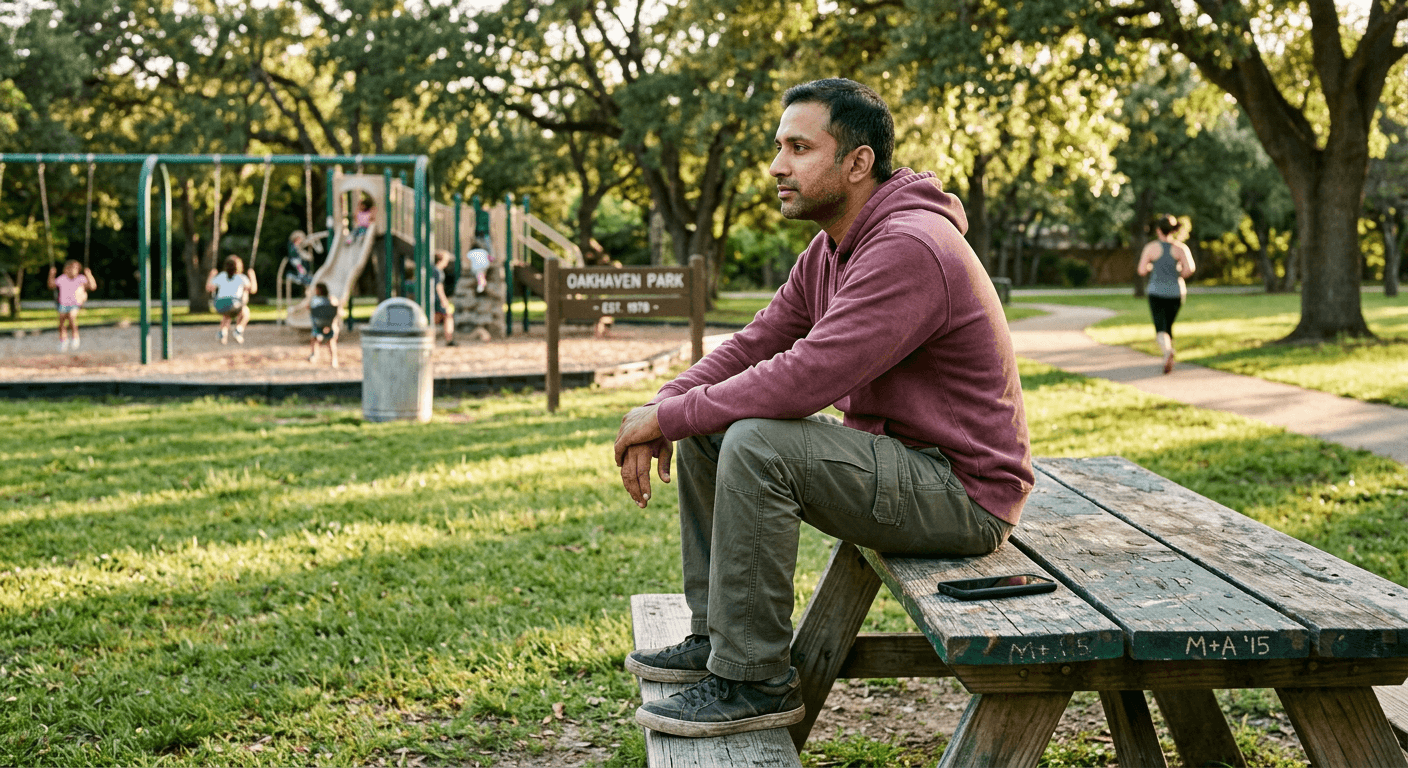
Experts who study workplace exhaustion have found that burnout recovery requires genuine psychological detachment periods when you’re not thinking about work, not checking email, not mentally rehearsing tomorrow’s meetings.
True disconnection might mean setting specific boundaries around technology use, creating transition rituals between work and home, or protecting blocks of time that are genuinely work-free. This connects to principles discussed in screen-time detox and realistic digital balance.
Social Support and Connection During Burnout Recovery
When you’re burned out, you often withdraw from relationships partly because you don’t have energy for socializing, partly because you feel like you have nothing to offer. But isolation typically worsens burnout.

This doesn’t mean forcing yourself into draining social obligations. It means seeking out connections that feel restorative people who let you be honest about how you’re doing, who don’t require you to perform wellness, who can sit with you in difficulty without trying to fix it immediately. The importance of social fitness and how relationships strengthen health applies strongly here.
Regaining a Sense of Control and Choice
Workplace health experts have identified lack of control as a major burnout risk factor. When you have little say over how you do your work, depletion accelerates.
Burnout recovery often involves reclaiming agency wherever possible even in small ways. This might mean reorganizing how you approach tasks, saying no to requests that aren’t essential, or making deliberate choices about where you’ll invest your limited energy.
Reconnecting with What Matters to You
Burnout often involves losing touch with the values or purposes that initially drew you to your work or role. A teacher who became an educator to help kids learn might find themselves drowning in administrative tasks that feel meaningless.
Part of burnout recovery can involve reconnecting with what actually matters to you not to force yourself back into a role that’s depleting you, but to clarify what you value so you can assess whether your current situation aligns with that.
Physical Recovery: Sleep, Movement, and Calming Your Nervous System
Your body needs concrete support for burnout recovery. This includes:
Sleep restoration: Burnout typically disrupts sleep. Sleep hygiene basics consistent schedule, dark and cool room, limiting screens before bed support recovery.

Gentle movement: Exercise supports stress recovery, but emphasize gentle, pleasurable movement rather than intense workouts that add more stress to an already taxed system.
Nervous system calming: Practices that signal safety to your body deep breathing, progressive muscle relaxation, time in nature, physical affection help your stress response downregulate. Principles discussed in micro-moments of calm and everyday mindfulness can support this process.
The Role of Boundaries in Burnout Recovery
What Effective Boundary-Setting Actually Looks Like
Boundary advice often makes it sound simple: just say no, just protect your time. In reality, setting boundaries when you’re burned out is complicated by power dynamics, financial necessity, internalized guilt, and sometimes legitimate constraints on your options.
Effective boundaries aren’t about perfectly protecting yourself from all demands. They’re about clarity being clear with yourself and others about what you can sustainably do, what you can’t, and what the costs are of exceeding your capacity.
Learning to Say No (and Why It’s Harder Than It Sounds)
If saying no felt easy and consequence-free, you’d already be doing it. The difficulty usually isn’t about knowing you should set limits. It’s about navigating what happens when you do disappointing people, risking professional consequences, confronting internalized messages about your worth being tied to usefulness.
Learning to say no often requires challenging beliefs you’ve held about what makes you valuable. This connects to deeper patterns explored in redefining strength beyond the unbreakable myth.
Protecting Your Burnout Recovery Time
When you’re trying to recover, any time you’ve carved out for rest or restoration is precious. Protecting it means treating it as non-negotiable rather than something you’ll do if everything else gets handled first.
Not Taking On Everyone Else’s Problems
Many people who burn out have strong helper tendencies they’re the person everyone comes to. Part of burnout recovery often involves recognizing that you can’t carry everyone else’s struggles, especially while you’re depleted.
This doesn’t mean becoming callous. It means distinguishing between supporting people and taking responsibility for their wellbeing.
When Your Job or Environment Is Part of the Problem
When Individual Burnout Recovery Requires Workplace Changes
Sometimes the gap between what your job demands and what you can sustainably give is too large to bridge with personal coping strategies. Individual burnout recovery likely requires organizational change additional staffing, workload redistribution, resource allocation, or cultural shifts around expectations.
Advocating for Workload Adjustments and Support
If you have some organizational influence or a receptive supervisor, advocating for changes might involve clearly naming what’s unsustainable, proposing specific adjustments, and being willing to accept that some things won’t get done at current staffing levels.
When Staying in Your Current Role Prevents Burnout Recovery
Here’s a difficult truth: sometimes you can’t recover while remaining in the situation that burned you out. If your job is structurally unsustainable, individual resilience won’t fix that.
Recognizing this doesn’t mean you have to quit tomorrow. But it’s information worth acknowledging rather than continuing to blame yourself for not making an impossible situation work.
When to Consider Professional Support for Burnout Recovery
Signs That Therapy Might Help
Therapists who specialize in burnout can help you identify patterns contributing to your depletion, process grief and loss that accompany burnout, challenge internalized messages about productivity and worth, and navigate difficult decisions about your circumstances.
Therapy might be particularly helpful if you’re experiencing symptoms that overlap with depression or anxiety, if you’re struggling to make decisions about your situation, or if you recognize unhelpful patterns but can’t change them on your own. For guidance on finding support, see when to seek professional support for anxiety.
Occupational Health Services and Employee Assistance Programs
Many employers offer Employee Assistance Programs (EAPs) that provide confidential counseling, often at no cost for a limited number of sessions. While these have limitations, they can provide initial support or referrals to longer-term care.
When to See a Doctor About Physical Symptoms
If you’re experiencing persistent physical symptoms chronic pain, severe fatigue, digestive problems, cardiovascular symptoms medical evaluation is important. Chronic stress impacts physical health, and burnout can both cause and mask medical conditions. For cost considerations, see therapy cost comparison.
Different Types of Burnout Need Different Burnout Recovery Approaches
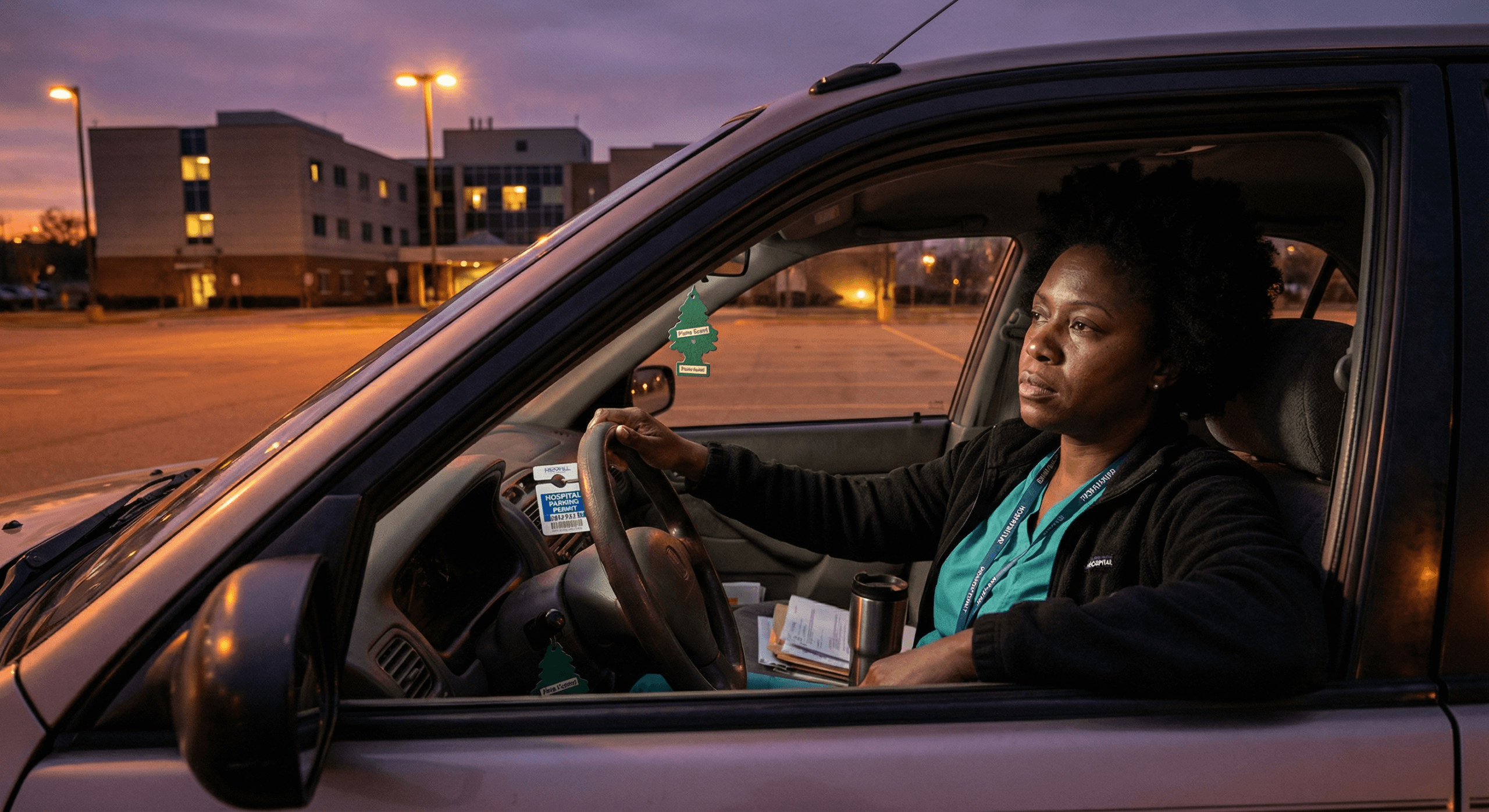
Workplace Burnout (Healthcare, Teaching, Helping Professions)
Certain professions consistently show higher burnout rates healthcare workers, teachers, social workers, therapists. These fields often involve high emotional demands, inadequate staffing, limited control, and systemic dysfunction.
Burnout recovery in these contexts often requires both individual and systemic change.
Parental Burnout: Unique Challenges
Parental burnout involves chronic exhaustion, emotional distance from your children, and feeling overwhelmed by parenting demands. It’s distinct from workplace burnout because you can’t quit being a parent.
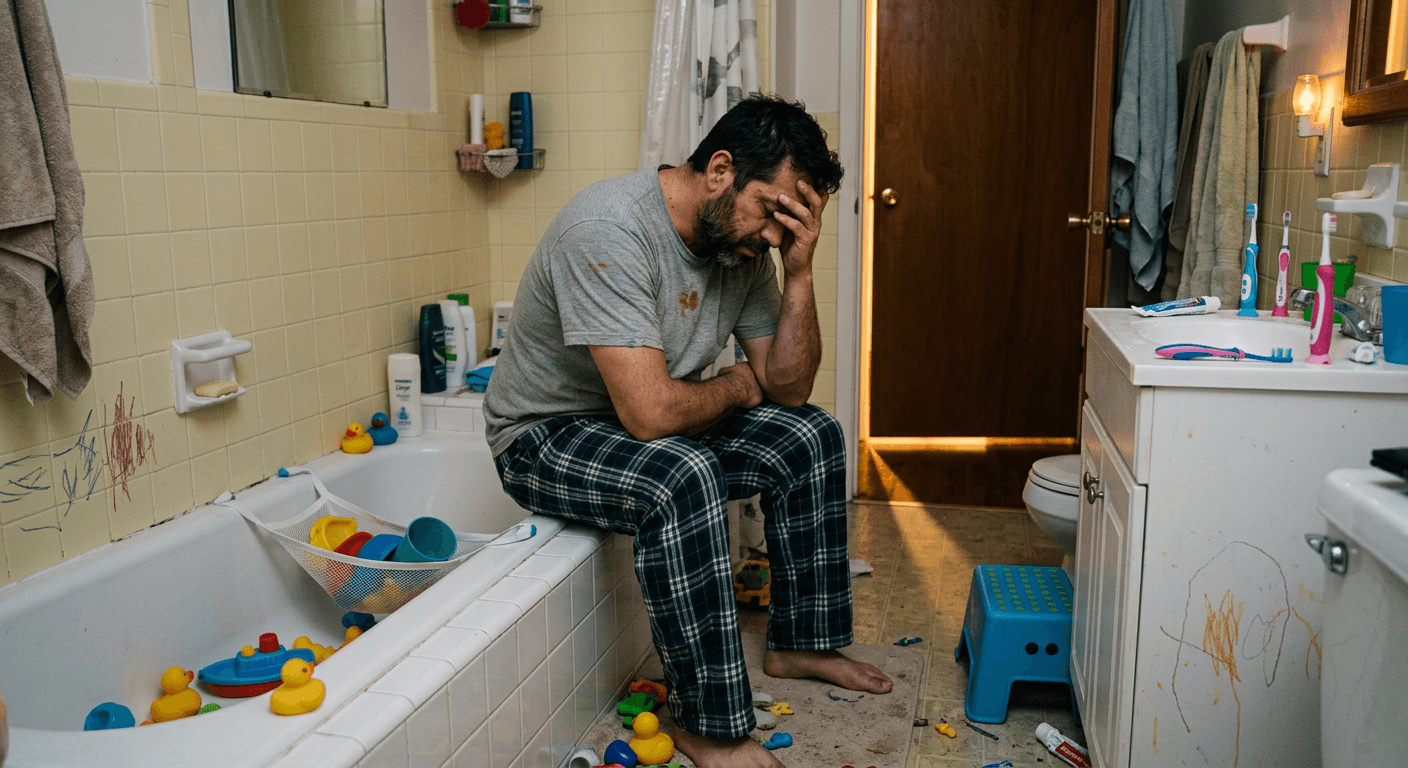
Burnout recovery strategies specific to parental burnout include: accessing actual respite, challenging perfectionist parenting standards, and connecting with other parents who validate your experience.
Caregiver Burnout: When You Can’t Step Away
Caring for aging parents, ill family members, or disabled loved ones often involves sustained demands with inadequate support. Caregiver burnout recovery requires accepting available respite services, asking clearly for help, and recognizing that you can’t provide good care from a completely depleted state.
What Burnout Recovery Timelines Actually Look Like
Why There’s No Standard Timeline
One of the most common questions is “How long until I feel better?” The answer varies enormously depending on burnout severity, whether you’ve addressed root causes, your access to recovery resources, and individual differences in stress recovery.
Signs Your Burnout Recovery Is Moving in the Right Direction
Progress markers might include: sleeping somewhat better, feeling occasional moments of genuine interest or enjoyment, having energy for activities beyond bare essentials, thinking about work without immediate dread, and noticing that difficult days don’t completely derail you the way they used to.
Burnout recovery isn’t linear. You’ll have setbacks. What matters is the overall trajectory.
Frequently Asked Questions About Burnout Recovery
How do I know if I have burnout or depression?
Generally, burnout is context-specific (primarily related to work or specific role) while depression affects all areas of life. Someone with burnout might still enjoy hobbies when they can access them. Depression typically involves pervasive low mood across all contexts.
They can co-occur, and chronic burnout can contribute to developing depression. If you’re unsure, professional assessment is important.
Can burnout recovery happen without quitting my job?
Sometimes yes, sometimes no. It depends on whether the factors causing your burnout can be adequately addressed while remaining in your role.
The question to ask isn’t “Should I quit?” but “Can this situation become sustainable, and if so, what would that require?”
How long does burnout recovery usually take?
There’s no universal timeline. Some people notice meaningful improvement within weeks of making significant changes. Others require months or years, especially if burnout was severe or longstanding.
Rather than focusing on “when will I be fully recovered,” helpful questions include “Am I moving in the right direction?”
What if I keep falling back into burnout?
Recurring burnout suggests either that you haven’t fully addressed root causes, that you’re returning to unsustainable patterns, or that external circumstances keep creating conditions for depletion.
Preventing recurrence requires: identifying what specifically led to previous burnout, noticing early warning signs, and maintaining boundaries that supported your burnout recovery.
Do I need medication for burnout recovery?
Burnout itself isn’t typically treated with medication. But medication can address related symptoms. If you’re experiencing clinical depression alongside burnout, insomnia, or anxiety that’s interfering with functioning, medication consultation with a doctor might be helpful.
For most people, burnout recovery primarily involves environmental and behavioral changes rather than medication.
Important Information and Next Steps
Understanding What This Guide Can (and Can’t) Do
This article provides education about burnout recovery based on what experts who study workplace exhaustion and chronic stress have learned. It’s designed to help you understand what you’re experiencing and make informed decisions about your circumstances.
What it can’t do is provide personalized medical advice, diagnose your specific situation, or replace professional assessment and care.
When to Seek Professional Support
Professional support becomes particularly important if: your symptoms are severe or worsening, you’re experiencing depression symptoms, you’re having thoughts of self-harm, physical symptoms are concerning, or you’re unable to function in daily activities.
If you’re in crisis, contact the 988 Suicide and Crisis Lifeline (call or text 988) or go to your nearest emergency room.
Takeaway
Burnout recovery requires more than self-care strategies or individual resilience it demands addressing the actual sources of chronic depletion. What makes burnout recovery difficult isn’t personal weakness but the gap between advice that assumes burnout is an individual problem and the reality that it’s often systemic. True burnout recovery involves reducing chronic stressors at their source, genuine disconnection, reconnecting with support and meaning, and sometimes making significant changes to unsustainable environments. While timelines vary, the common thread among people who successfully navigate burnout recovery is addressing root causes rather than just managing symptoms. Recovery is possible, but it’s rarely as simple as wellness culture suggests.
This content is for educational purposes and does not substitute for professional psychological or therapeutic help.