Hantavirus and the MV Hondius Outbreak: What We Know, What Is Being Done, and Why Experts Say the Public Risk Remains Low
A hantavirus outbreak aboard a cruise ship has drawn global attention in recent weeks. A hantavirus outbreak refers to the emergence of multiple confirmed hantavirus cases in a defined location or population viruses rodents carry and transmit to humans through contact with infected animals or their waste. The Andes strain scientists confirmed in this event is the only hantavirus known to spread from person to person under conditions of close, prolonged contact.
Health authorities have moved quickly to stress that the risk to the general public remains low. This article provides a clear, evidence-based account of what happened aboard the MV Hondius, what hantavirus is, and what scientists and health agencies are doing in response.
Outbreak coverage is only as useful as the framework it gives readers for evaluating risk. Health News at LubDubSmile applies the same standard here that we apply to every emerging story: follow the agencies, name the uncertainties, and resist the temptation to resolve genuine ambiguity into a cleaner narrative than the evidence supports. Where scientists disagree, or where data are still arriving, that is stated plainly.
The Outbreak: What Happened Aboard the MV Hondius
The MV Hondius, a Dutch-flagged expedition cruise ship Oceanwide Expeditions operates, became the center of an international public health response after a cluster of serious illness emerged among its passengers in early April 2026. What made this hantavirus outbreak particularly difficult to identify quickly was the rarity of the diagnosis combined with limited laboratory capacity in remote Atlantic locations.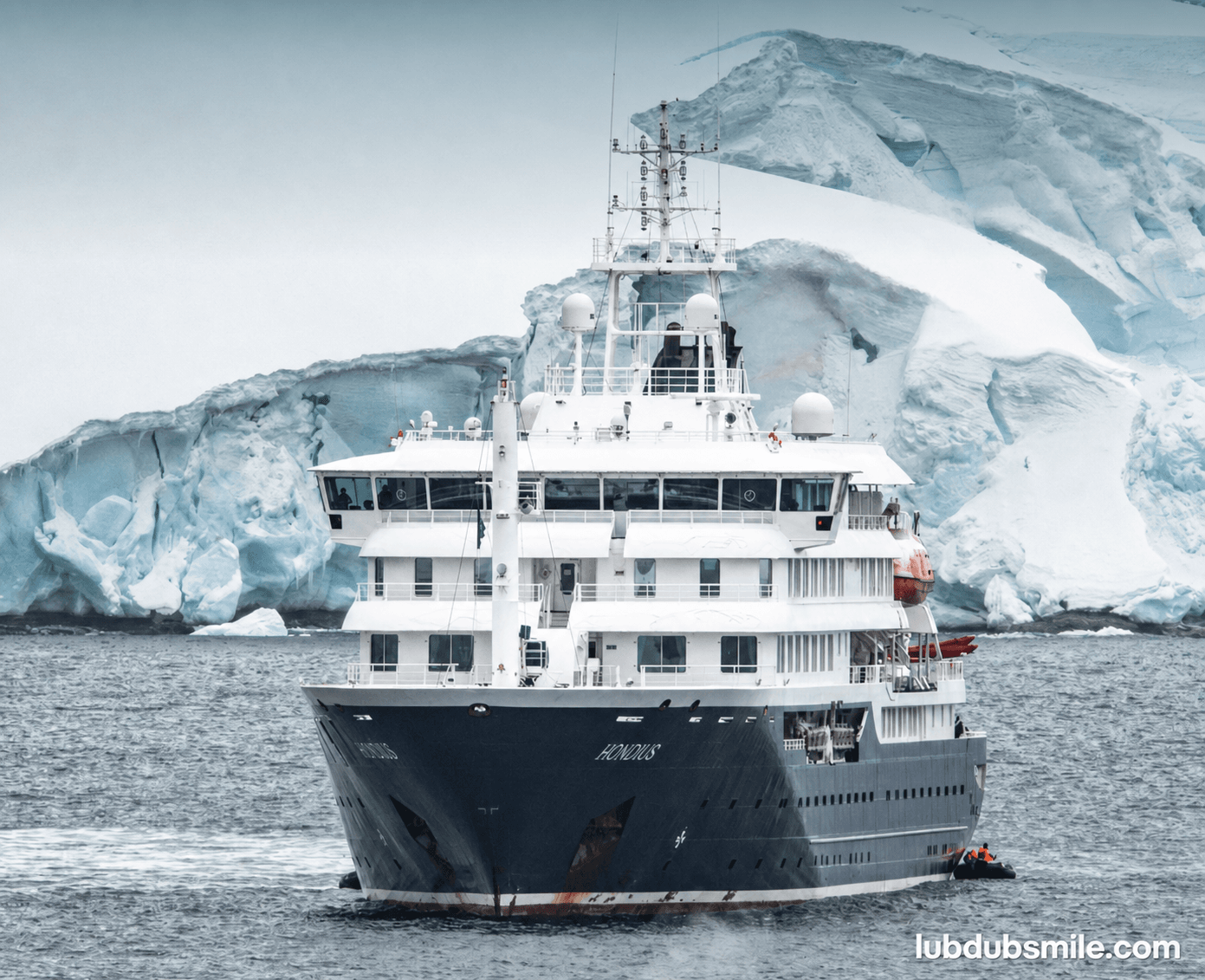
The first patient, an older man, developed fever, headache, and mild diarrhea on April 6. He died five days later of respiratory distress. Authorities initially investigated his death, but scientists in South Africa did not confirm hantavirus as the cause until May 2, nearly three weeks later. By that point, a second passenger had died on April 26 and a third on May 2. At least five additional people had developed symptoms consistent with hantavirus infection.
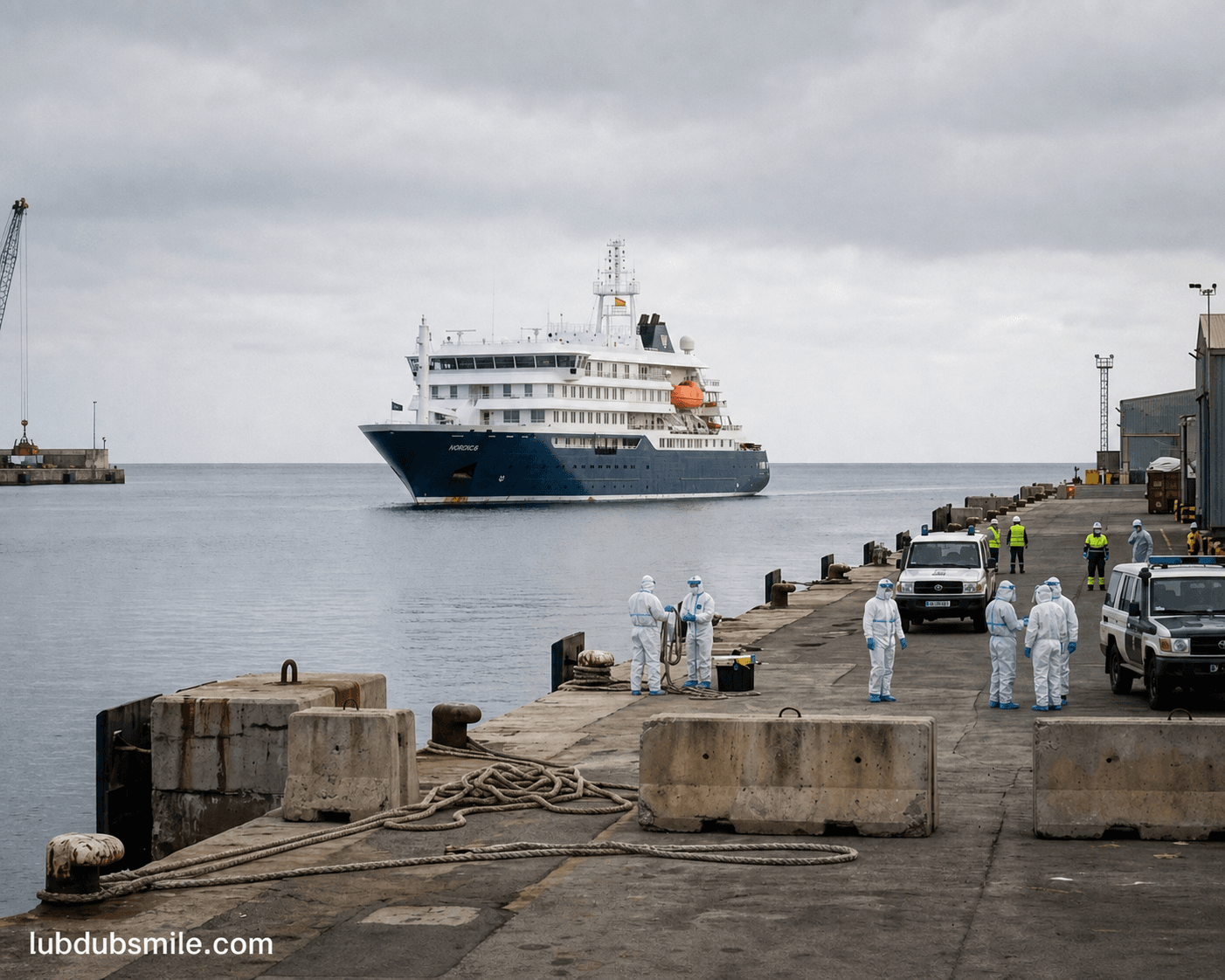
The ship anchored off Cape Verde while authorities worked to manage the situation. It eventually reached the port of Granadilla de Abona in Tenerife, Spain’s Canary Islands, arriving on Sunday, May 10. Authorities organized the evacuation of approximately 150 people in small groups, including passengers, crew members, and four medical staff who had boarded the vessel near Cape Verde.
Spanish Health Minister Mónica García confirmed that all individuals aboard were asymptomatic as passengers disembarked. Passengers wore masks and personal protective equipment as they left the ship. Chartered and military flights transported them to their home countries, with evacuations continuing through Monday evening.
The CDC directed U.S. passengers to the University of Nebraska Medical Center in Omaha, which has specialized facilities for managing high-consequence infectious disease cases. Authorities would not formally quarantine U.S. passengers, but state and local health agencies would monitor and assess them over a 42-day period, in some cases from their homes. Health authorities may ask some individuals to limit certain outside activities during this monitoring window. Crews will carry out full disinfection when the ship reaches Rotterdam, the Netherlands. Staying current with preventive health screenings by age helps individuals maintain the baseline health awareness that makes exposure monitoring more effective.
What Is Hantavirus and How Does It Spread?
Hantavirus is not a single virus but a family of viruses rodents carry. Rodents transmit hantavirus to humans through contact with infected urine, droppings, or saliva, or when people breathe in airborne particles the virus has contaminated. The virus does not ordinarily spread from person to person.
Scientists first brought hantavirus to widespread public attention in the United States during the 1993 Four Corners outbreak in the American Southwest, when a previously unidentified strain, later named Sin Nombre virus, killed more than a dozen people. That outbreak established hantavirus pulmonary syndrome as a recognized and serious medical condition and led to the surveillance infrastructure researchers rely on today.
Scientists broadly categorize hantaviruses into two groups: Old World viruses, circulating primarily in Asia and Europe, and New World viruses, found in the Americas. Old World hantaviruses typically cause hemorrhagic fever with renal syndrome. New World hantaviruses, including the Sin Nombre virus endemic to rodents in the western United States, cause hantavirus pulmonary syndrome, a severe and potentially fatal respiratory illness.
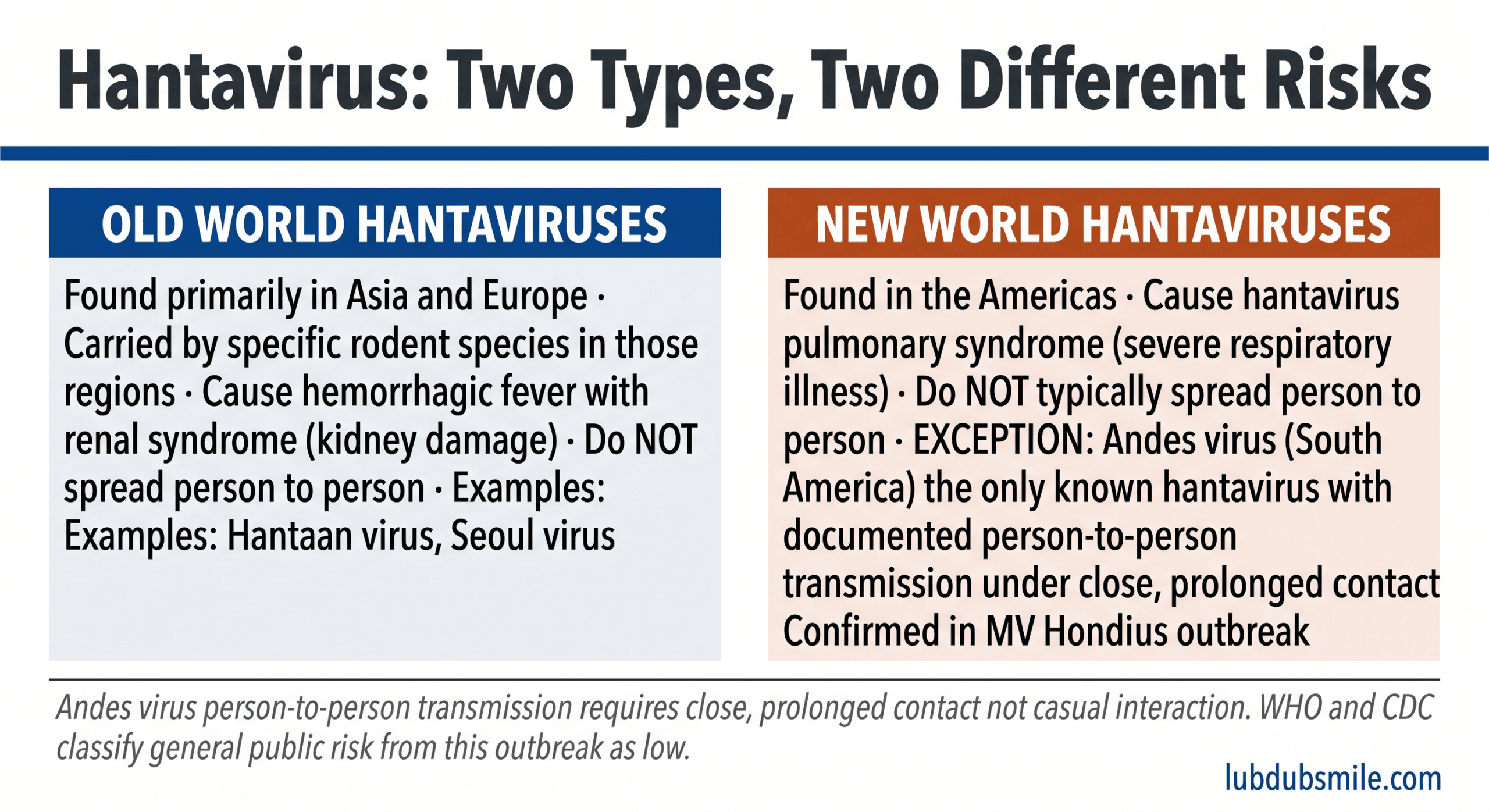
The strain scientists confirmed aboard the MV Hondius is the Andes virus, a New World hantavirus endemic to South America. It holds a distinct and important distinction: it is the only hantavirus known to transmit from person to person. This transmission does not occur through casual or brief contact. According to the World Health Organization, human-to-human spread of the Andes virus requires close, prolonged personal contact. Researchers have most commonly documented this pattern among household members or intimate partners of infected individuals.
How does hantavirus spread differently from other respiratory viruses? This distinction shaped how global health officials communicated about the hantavirus outbreak. “This is not Covid, this is not influenza,” said Dr. Maria Van Kerkhove, the WHO’s head of epidemic and pandemic preparedness, at a May 7 news conference in Geneva. “This spreads very, very differently.”
The WHO classified all individuals aboard the MV Hondius as high-risk contacts and health officials expected a limited outbreak if proper public health measures followed. South African scientists who analyzed viral samples from the hantavirus outbreak found no mutations in the virus, a reassuring finding suggesting the Andes strain has not developed new characteristics that might make it more transmissible or more dangerous than previously understood.
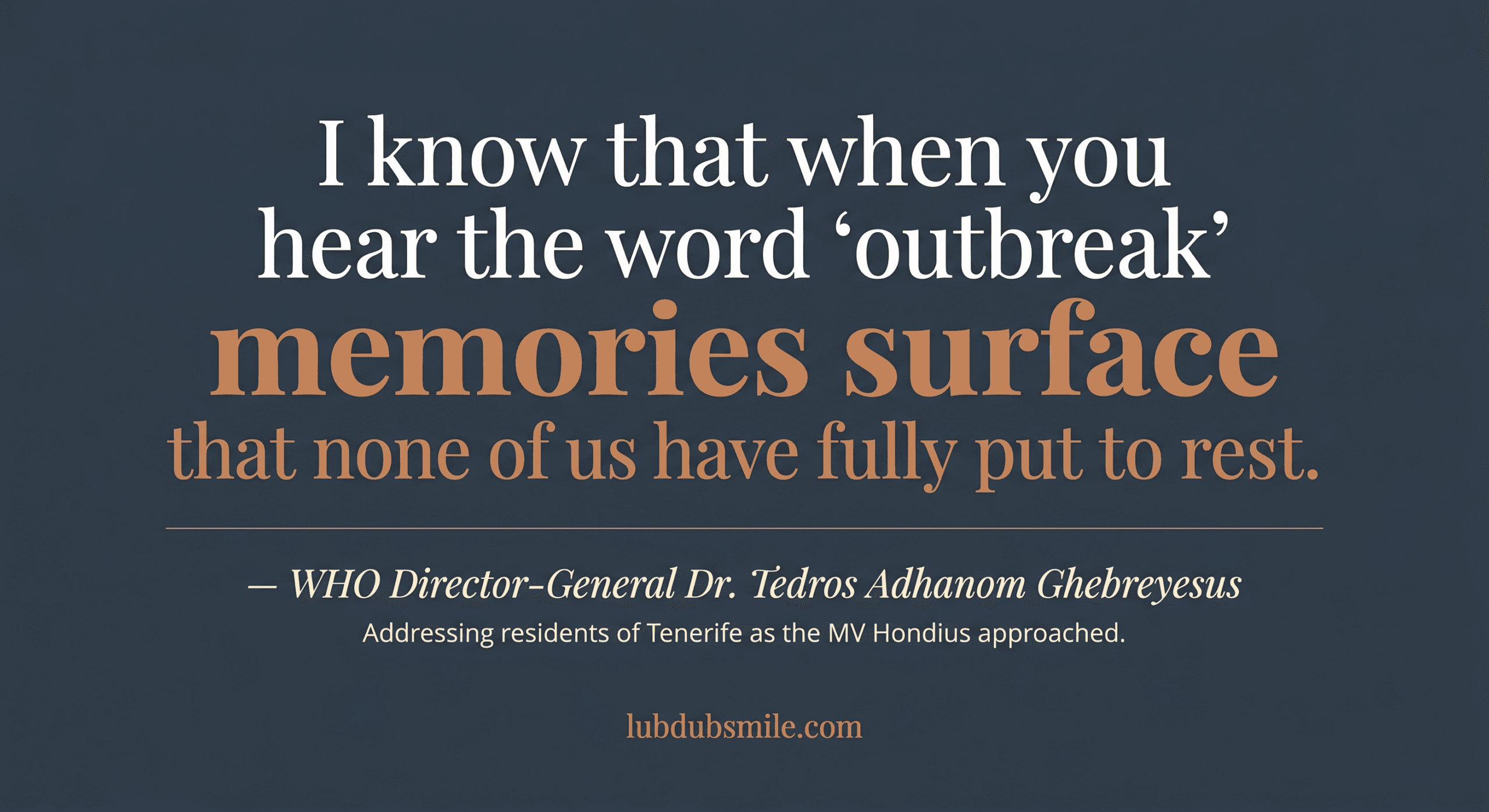
Dr. Tedros Adhanom Ghebreyesus, the WHO Director-General, addressed residents of Tenerife directly as the ship approached: “I know that when you hear the word ‘outbreak’ and watch a ship sail toward your shores, memories surface that none of us have fully put to rest. But I need you to hear me clearly: This is not another Covid.”
How Did Countries Respond to the MV Hondius Outbreak?
The hantavirus outbreak triggered a coordinated, if uneven, international response. How did the MV Hondius outbreak compare to previous hantavirus cases in terms of international coordination? Prior hantavirus cases involved isolated individuals rather than a shipboard cluster requiring multinational evacuation, making this response unprecedented in its logistical complexity.
Health officials across multiple countries scrambled to trace individuals who had been aboard the ship or had contact with those who became ill. Health officials tested a Dutch flight attendant and a French national in connection with the outbreak. Five French passengers who arrived home on Sunday encountered a complication when one developed symptoms during the flight. Authorities placed all five in strict isolation and health officials conducted further testing and assessment, according to French Prime Minister Sébastien Lecornu.
The WHO convened advisory groups, including its expert panel on viruses with pandemic potential, to assess the trajectory of the hantavirus outbreak and share findings across member nations. Health officials in Spain conducted epidemiological evaluations, including temperature checks and symptom assessments, for all passengers before disembarkation. Mass testing did not take place at that stage.
In the United States, the CDC issued guidance outlining its 42-day monitoring framework. The agency coordinated with state health departments in the three states monitoring returning passengers. The CDC’s response timeline drew scrutiny from some public health experts, with the agency not establishing a formal response team until nearly a month after the first death. The agency did ultimately coordinate technically with international partners and provided guidance on how to repatriate passengers and monitor them. The coordination challenges this hantavirus outbreak revealed mirror patterns infectious disease experts documented during the CDC measles response and state partnership challenges of 2026.
Is There a Vaccine or Treatment for Hantavirus?
The current hantavirus outbreak has exposed a significant gap in the available medical tools. No FDA-approved vaccines exist for New World hantaviruses, including the Andes strain. No targeted antiviral treatments proven effective against New World hantaviruses currently exist. The primary medical response for infected patients is supportive care. Doctors may provide supplemental oxygen or, in severe cases, extracorporeal membrane oxygenation, a heart-lung bypass procedure.

Doctors sometimes use ribavirin, an existing antiviral drug, but researchers have not demonstrated strong evidence of its effectiveness against New World hantaviruses.
“Our tool kit is almost empty,” said Dr. Vaithi Arumugaswami, an infectious disease researcher at UCLA.
Why has hantavirus research struggled to attract the funding it needs? Researchers have worked for decades to develop vaccines and therapeutic antibodies for hantaviruses, but have faced persistent challenges in attracting commercial interest and building the clinical infrastructure needed to conduct trials.
Vaccines in development
Dr. Jay Hooper and colleagues at the U.S. Army Medical Research Institute of Infectious Diseases developed a DNA vaccine targeting the Andes virus. In a Phase 1 clinical trial, more than 80 percent of participants produced neutralizing antibodies under certain dosing regimens. The vaccine requires at least three doses. Moving it forward requires market interest and government investment that has not yet materialized. “We’ve done the science,” Dr. Hooper said. “It’s just other forces that are required to move vaccines forward, markets, government demand.”
Other teams are exploring earlier-stage approaches. Researchers at the University of Saskatchewan are developing a nasal vaccine candidate they believe may trigger a more robust immune response in the airway, the primary route of exposure for hantaviruses. This work remains in animal model stages.
The funding picture described here is worth sitting with, because it illuminates something structural about how public health priorities get set. Hantavirus has been known since 1993. The Andes strain’s capacity for person-to-person transmission has been documented for decades. Promising vaccine candidates and therapeutic antibodies have been sitting in research pipelines for years, stalled not because the science is intractable but because the commercial market is too small and the political will to fund government-backed development has been insufficient. This is not a story unique to hantavirus. It is a recurring pattern in infectious disease preparedness: threats that are serious but not immediately pandemic-scale attract enough research attention to produce promising science and not enough sustained investment to bring that science to clinical use. The MV Hondius outbreak did not create this gap. It revealed it, and whether the attention it has generated translates into durable funding commitments is the more important question than the outbreak itself for anyone thinking about long-term public health resilience.
Antiviral drug research
At UCLA, Dr. Arumugaswami and colleagues found that favipiravir, an antiviral Japan has approved for influenza, inhibited the Andes virus in human cells. They also identified several broad-spectrum antiviral compounds effective in human organoids, miniature organ-mimicking tissue clusters researchers use in laboratory settings.
Antibody therapies
Several teams developed therapeutic antibody treatments derived from blood samples of hantavirus survivors. Dr. Kartik Chandran at the Albert Einstein College of Medicine identified a particularly promising antibody that demonstrated efficacy against both Old and New World hantaviruses in animal models, and remained effective when given relatively late in the course of infection. “We actually found several,” he said.
Dr. James Crowe at the Vanderbilt Center for Antibody Therapeutics has also reported promising results, but funding shortfalls have stalled the work at the animal model stage. “We have a lead drug, and now what we need is someone to pay the money,” Dr. Crowe said, estimating that approximately $40 million would be required to advance to the next development stage. Neither government nor commercial partners have committed those resources.
Health agencies have not historically considered hantaviruses a pandemic-level threat, and the funding landscape reflects this. “It’s not an airborne, highly contagious viral threat, so it hasn’t been as high a priority for groups trying to prevent pandemics,” said Dr. Hooper.
The MV Hondius outbreak may shift that calculus, at least temporarily. “Certainly judging by just my inbox and text messages, there’s a renewed interest in these agents,” said Dr. Chandran. Whether that interest translates into sustained funding and clinical development remains to be seen.
Public Health Infrastructure and Preparedness Considerations
Beyond the immediate outbreak, the event has prompted broader conversations among infectious disease experts about public health preparedness infrastructure, not only in the United States but globally.
Coordinated international outbreak response depends on strong communication networks between national health agencies and international bodies. It requires trained professionals, including epidemiologists, disease investigators, laboratory scientists, and clinical coordinators, ready to deploy rapidly when a threat emerges. Robust surveillance systems must identify unusual illness clusters early and share information across borders in near real time.

Three weeks passed before scientists publicly identified hantavirus as the cause of the MV Hondius deaths, reflecting the rarity of the diagnosis and the limited regional laboratory capacity available in remote Atlantic locations. Managing sick and exposed passengers in international waters, with limited medical infrastructure and no clear jurisdictional authority, added further complexity to the hantavirus outbreak response.
Public health systems globally depend on consistent investment in workforce development, laboratory capacity, surveillance technology, and international cooperation frameworks. When governments reduce or disrupt those investments, whether through funding changes, staffing reductions, or withdrawal from international coordination frameworks, the capacity to respond quickly and effectively to emerging threats diminishes. Understanding preventive checkups and insurance coverage helps individuals maintain their own health baseline while public systems work to address broader preparedness gaps.
Dr. Ronald Nahass, president of the Infectious Diseases Society of America, summarized the state of hantavirus readiness plainly: “There are things that are sitting there on the bench that could be quickly developed. But nothing is ready.”
What Should the Public Know About Their Risk?
For the general public, particularly those not directly connected to the cruise ship or its passengers, the WHO and CDC have both affirmed that this hantavirus outbreak poses a low public risk. The Andes virus does not spread through casual contact, airborne transmission, or routine social interactions. It requires close, sustained personal contact with an infected individual, a pattern that makes large-scale community spread extremely unlikely.
People who were aboard the MV Hondius, or who had direct contact with someone confirmed or suspected to have hantavirus, should follow the monitoring guidance their national and local health authorities provide. Any symptoms, including fever, headache, muscle aches, or respiratory difficulty, should prompt immediate contact with a healthcare provider, along with disclosure of potential exposure history. Consult your healthcare provider and official public health guidance for personal medical decisions.
For the broader public, awareness remains the most practical tool. Hantavirus in its more common form, the kind rodents transmit rather than spread between people, continues to pose a background risk in certain environments, particularly in regions where rodent populations carry the virus. The CDC advises avoiding contact with wild rodents, sealing entry points in homes and structures where rodents may nest, and using appropriate protective measures when cleaning areas where rodent activity is suspected. Staying informed about healthy aging and long-term wellbeing supports the kind of baseline health resilience that helps the body respond when exposure to any pathogen occurs.
Frequently Asked Questions
How many people died in the MV Hondius hantavirus outbreak?
Three passengers died. The first death occurred on April 11, the second on April 26, and the third on May 2. At least five additional people developed symptoms consistent with hantavirus infection. All deaths involved passengers aboard the MV Hondius expedition cruise ship, and scientists in South Africa confirmed the Andes strain of hantavirus as the cause on May 2, 2026.
Can hantavirus spread from person to person?
Most hantaviruses do not spread between people. The Andes virus, the strain scientists confirmed in this outbreak, is the only known exception. It spreads through close, prolonged personal contact with an infected individual, most commonly among household members or intimate partners. It does not spread through casual contact, brief social interaction, or the airborne transmission patterns associated with influenza or Covid-19.
What are the hantavirus symptoms and how do doctors treat infection?
Early hantavirus symptoms resemble influenza. They include fever, headache, muscle aches, and fatigue. In cases of hantavirus pulmonary syndrome, the form New World hantaviruses including the Andes strain cause, respiratory symptoms develop and can progress rapidly to severe respiratory distress. No targeted antiviral treatment currently exists. Doctors focus on supportive care, including supplemental oxygen and, in severe cases, heart-lung bypass. Anyone who develops these symptoms after potential hantavirus exposure should contact a healthcare provider immediately.
Is there a vaccine for hantavirus?
No approved hantavirus vaccine currently exists. Researchers have developed promising candidates, including a DNA vaccine that produced neutralizing antibodies in more than 80 percent of Phase 1 trial participants. Moving these candidates forward requires funding and government investment that has not yet materialized. No regulatory body has approved any hantavirus vaccine for public use.
Should I be concerned about hantavirus if I was not on the cruise ship?
The general public risk from this cruise ship virus outbreak remains low. Health authorities including the WHO and CDC have confirmed that the Andes virus requires close, prolonged contact to spread between people, making widespread community transmission extremely unlikely. People with no connection to the MV Hondius or its passengers face no elevated risk from this specific hantavirus outbreak. Standard precautions against rodent exposure remain the most relevant prevention measure for the general public.
This content is for educational purposes and does not substitute for professional medical or public health guidance. Individuals who believe they may have been exposed to hantavirus are encouraged to contact their healthcare provider and consult official guidance from the CDC at cdc.gov or the World Health Organization at who.int.