Why Digital Balance Matters
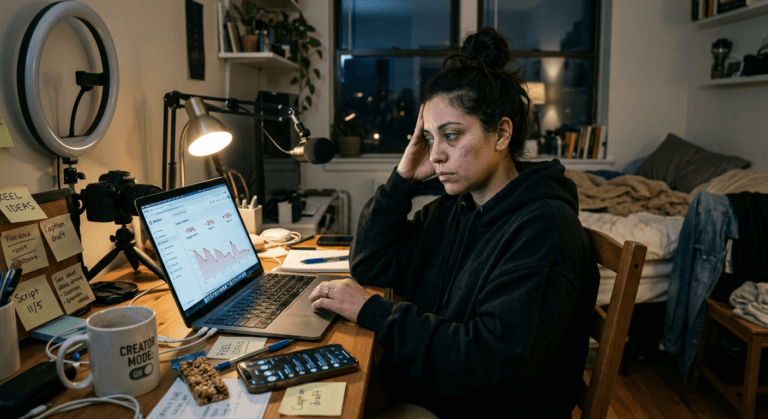
You might promise yourself no screens after 7 p.m. and catch your thumb scrolling by 7:30. Sound familiar?
Screens aren’t evil it’s overexposure without boundaries that drains our minds and mood. The World Health Organization (WHO), Centers for Disease Control and Prevention (CDC), and Harvard Medical School all link excessive screen time to eye strain, sleep disruption, and fatigue. Realistic limits can restore focus and connection instead of blocking it.
How Much Is Too Much?
Adults average six to nine hours of screen time each day Pew Research. The WHO notes that after four continuous hours of screen viewing, eye moisture and mental focus decline. Even two evening hours of bright light can reduce melatonin by more than 30% Harvard Health. Our eyes and brains need downtime too they simply didn’t evolve for nonstop scrolling.
Why Screens Drain Us
- Cognitive Overload
Each app switch forces the brain to restart focus, burning extra energy. NIH research shows digital multitasking raises cortisol and mental fatigue. - Physical Strain
Long sessions can cause “computer vision syndrome” (dry eyes, neck tension). Tilting a phone forward adds up to 60 pounds of pressure on neck muscles. - Stress Feedback Loop
Notifications trigger dopamine bursts like slot machines. The APA reports that constant alerts fuel anticipation and restlessness tiny highs followed by mental crashes.
Our brains enjoy the rush, not the after-effects.
What Realistic Limits Look Like
-
- The 2-Hour Rule for Recreation
A BMC Public Health review found that keeping non-work screen time under two hours a day supports better mood and sleep. Audit your “optional use” for three days then nudge down by 10 minutes at a time. Behavior scientists at Harvard’s Habit Change Lab recommend gradual reductions over strict bans.
For a gentler morning energy reset, see Morning Routines for Well-Being (Without the 5 A.M. Hype).

-
- Micro Detoxes
Full disconnection rarely fits modern work life; micro-breaks do.
Use the “20-20-20” rule every 20 minutes, look 20 feet away for 20 seconds. It relaxes eye muscles and resets attention (CDC). Add small body movements like standing or stretching to restore blood flow.
To support body energy alongside digital breaks, explore Smart Snacking: Balancing Energy and Nutrition Between Meals.
-
- Device-Free Zones
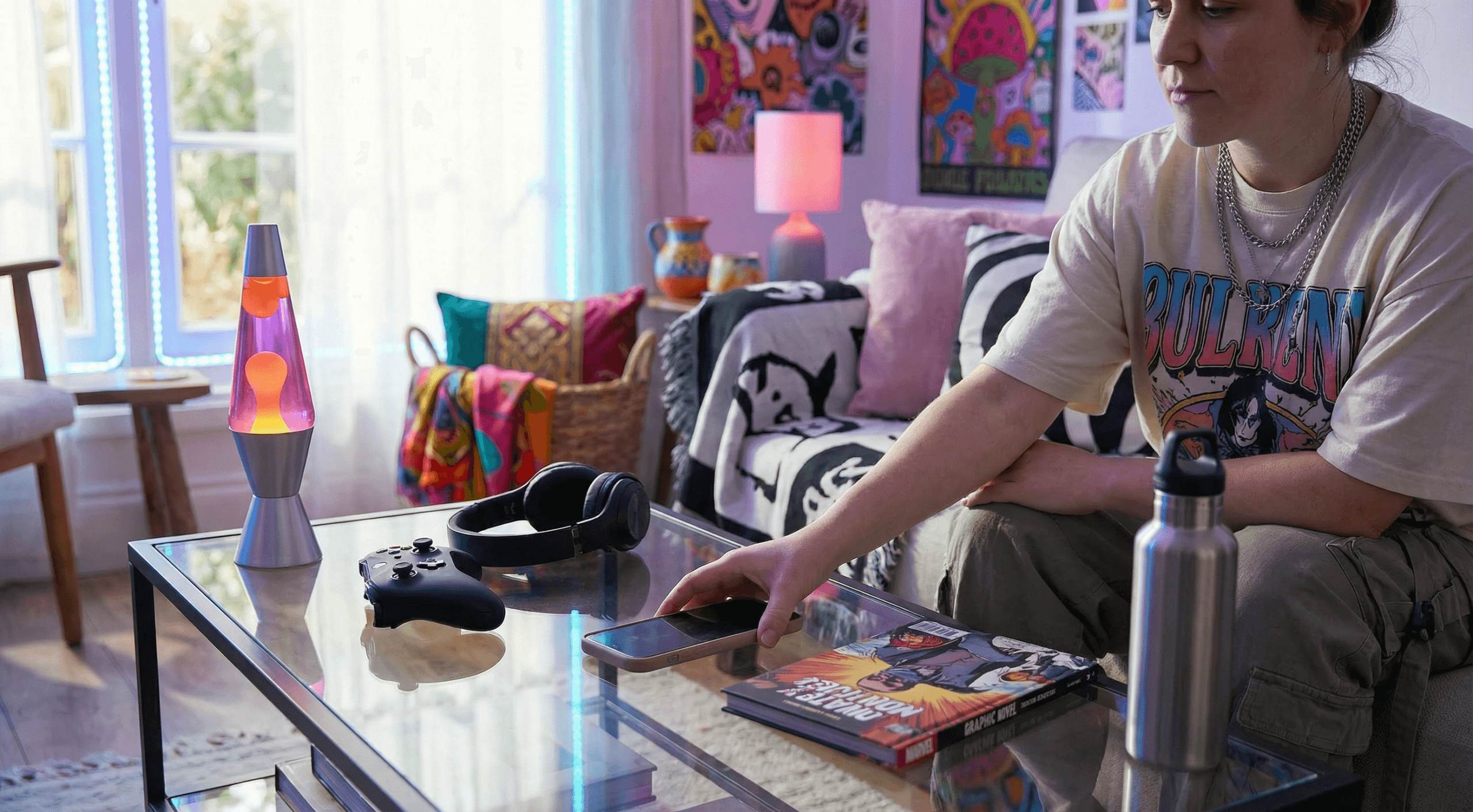
Skip blanket bans; target key moments: meals, 15 minutes before bed, and 10 minutes after waking. APA data show screen-free bedrooms reduce sleep disturbances by 35%. If you need an alarm or music, switch to audio-only devices or night-shift modes.

-
- Reframe Rather Than Restrict
Instead of “no screens,” ask: What do I want from this scroll? If it’s connection or learning, use intentionally with a natural stop cue playlist end or chapter finish. Behavior specialists call these “off-ramps” that reduce compulsion.
-
- Mindful Swaps
Replace screen zones with pleasant alternatives:
-
-
- Social feed → Call a friend.
- Streaming loop → Short walk with music.
- Gaming break → Puzzle or stretch session.
-
Even ten minutes of conversation or movement gives the same dopamine reward without fatigue.
Try mindfulness micro-breaks from Micro-Moments of Calm: How Everyday Mindfulness Can Soothe Stress and Steady the Heart.
Respect Your Chronotype
Night owls absorb blue light differently. Exposure after 11 p.m. delays melatonin and sleep by up to 40 minutes (Harvard Sleep Study). Aim to dim screens an hour before bed or use amber filters for a gentler glow.
For Families and Shared Spaces
Leading by example beats imposing rules. WHO child guidelines suggest no more than one hour of screen time daily for ages 2–5. Creating “charging zones” outside bedrooms works for adults too. Shared device bedtimes increase self-reported calm by 30% (Mayo Clinic Digital Detox Program).
Psychological Payoff Reclaim Attention
Cutting screen time doesn’t just free minutes it re-engages the brain’s creative center (NIH Neuroimaging Lab). Within two weeks, people who reduced screen use by an hour a day reported lower anxiety and higher life satisfaction (APA Behavioral Wellness Report).

If you notice your digital fatigue causing tension or unease, read Anxiety vs Overwhelm: Recognizing the Everyday Differences for self-awareness tools.
Overcoming Real-Life Barriers
“My job is on a screen.” Add standing calls or larger font sizes to reduce eye strain.
“I feel cut off if I don’t check messages.” Set clear response windows so availability feels chosen, not compulsive.
“I use screens to relax.” Pair leisure with cues: timer, stretch, soft music.
For extra emotional boundaries, see Emotional Hygiene: Daily Habits That Protect Your Peace.
Integrate, Don’t Eliminate Technology
Digital detox is about intent, not withdrawal. Ask, Is this creating value or noise? Technology is like any tool it needs care and off-switches. Finding that balance reclaims time without rejecting modern life.

Insight: Find Presence, Not Perfection
A true screen-time detox means using devices awake, not on autopilot. Small steps ten minutes outside or an evening off your phone tell your nervous system you belong in the moment again.
When you pause the scroll, you find life was never missing just waiting for your attention.
Summary
Gradual screen-time reductions can improve sleep, focus, and mood (WHO, CDC, NIH, APA, Harvard Health, Mayo Clinic). Moderation, not abstinence, creates sustainable digital wellness.
Disclaimer: For general wellness education only; not a medical diagnosis or treatment plan. Consult professionals for personal care.